






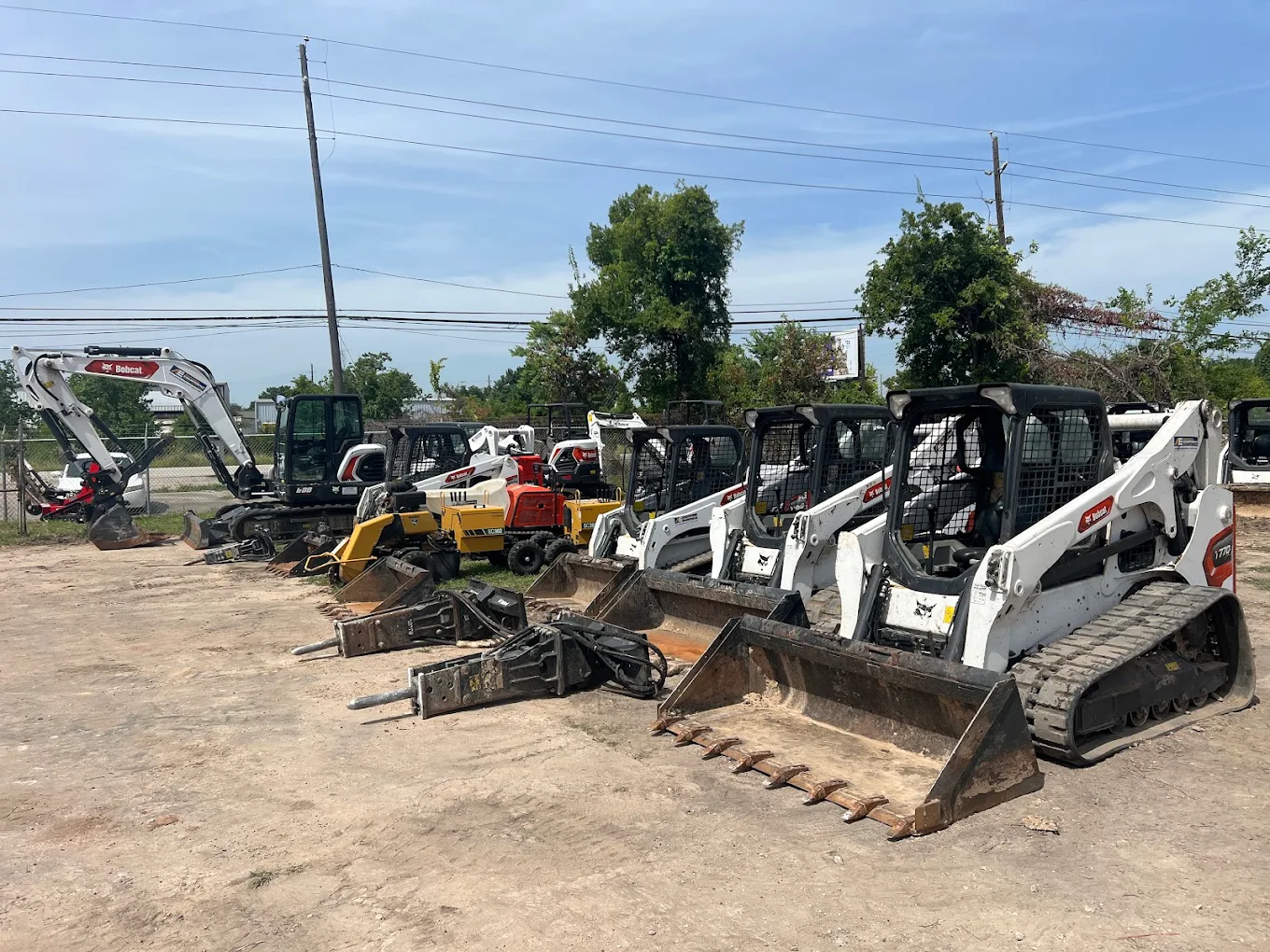
Renting construction equipment can help contractors complete specialized work without the long-term expense of owning every machine their projects require. However, choosing the right rental equipment involves more than comparing prices or selecting a familiar machine.
For construction projects in Houston, equipment decisions directly influence productivity, jobsite safety, labor requirements, transportation planning, and scheduling. A machine that works well on an open commercial development may be unsuitable for a residential property with narrow access and limited operating space.
Before arranging construction equipment rental in Houston, contractors should understand the work being performed, evaluate jobsite conditions, compare equipment capabilities, and review the complete rental terms.
The following considerations can help construction professionals make better rental decisions and reduce avoidable project delays.
1. Understand Your Project Requirements Before Renting
The first step in renting construction equipment is defining the actual work.
Contractors sometimes begin by requesting a particular machine without first determining whether its size, capabilities, or attachments match the project.
A more effective approach is to break the work into specific operations.
For example, a site preparation project may involve removing material, excavating, grading, transporting soil, and compacting the finished surface. These operations may require different machines or attachments.
Before contacting a rental company, establish:
- Project scope: What work must the equipment accomplish?
- Material type: Will the machine handle soil, gravel, concrete, debris, or palletized materials?
- Working requirements: What digging depth, lifting capacity, or working height is necessary?
- Work volume: How much material needs to be excavated, transported, or compacted?
- Project duration: How many working days will the equipment actually be needed?
- Jobsite conditions: What access restrictions, terrain, or ground conditions could affect operation?
For example, a contractor installing drainage infrastructure may need excavation equipment to create trenches and a compacting machine to prepare the backfilled area.
Choosing equipment around these individual tasks helps avoid unnecessary rental expenses and productivity problems.
2. Choose the Right Type of Construction Equipment
Different equipment categories serve different purposes. Understanding their applications helps contractors identify suitable rental options before requesting a quote.
Mini Excavators for Digging and Trenching
Mini excavators, also called compact excavators, are commonly used for excavation projects where maneuverability and controlled digging are important.
Typical applications include:
- Utility trenching
- Drainage installation
- Landscaping excavation
- Foundation preparation
- Digging around existing structures
- Small-scale site preparation
A compact excavator may be appropriate for a restricted-access property, provided the specific machine can safely enter and operate within the available space.
However, digging depth, excavation dimensions, bucket capacity, material conditions, and working clearance must all be considered.
Skid Steers and Compact Track Loaders for Material Handling
Skid steers and compact track loaders are versatile machines used for loading, grading, moving materials, and site cleanup.
Skid steers typically operate on wheels, while compact track loaders distribute their weight through tracked undercarriages.
The appropriate choice depends on ground conditions, operating surface, traction requirements, maneuverability, and machine weight.
For example, a wheeled skid steer may suit certain firm, prepared surfaces, while a compact track loader may offer advantages in traction and flotation on some softer or uneven ground.
Neither machine should be selected based on undercarriage type alone. Site conditions and manufacturer operating limitations remain important.
Trenchers for Utility and Irrigation Work
Trenchers are designed to excavate relatively narrow, continuous trenches.
They are commonly considered for:
- Irrigation lines
- Landscape drainage
- Utility installations
- Cable conduit routes
- Other linear trenching applications
A trencher may provide an efficient approach when the project requires a consistent trench along a planned route.
However, trench width, required depth, soil conditions, underground obstructions, and the need for wider excavation areas can influence whether a trencher or compact excavator is more suitable.
Scissor Lifts for Elevated Access
Scissor lifts provide elevated work platforms for tasks requiring relatively direct vertical access.
Common uses include overhead installations, maintenance, electrical work, and certain commercial construction activities.
Contractors should evaluate platform height, working height, platform capacity, floor loading, surface conditions, overhead hazards, and the required work position.
It is also important to distinguish between equipment designed for indoor, level-surface applications and models intended for appropriate outdoor or rough-terrain conditions.
Compaction Equipment for Ground Preparation
Compaction equipment helps prepare soil, aggregate, and other suitable materials for construction activities.
Depending on the application, contractors may use vibratory rollers, plate compactors, or other specialized machines.
Selection should consider the material type, layer thickness, working area, required compaction, and site accessibility.
Equipment size alone does not determine compaction quality. Proper material preparation, moisture conditions, and compaction procedures also matter.
Comparing Equipment Options Locally
Once the intended applications are clear, contractors can compare relevant rental categories rather than searching for machinery by name alone.
A local Equipment Rental Houston resource can help contractors review equipment categories for excavation, material handling, trenching, elevated access, and compaction. The next step is to confirm which specific machines meet the project’s dimensions, operating conditions, and rental requirements.
3. Evaluate Jobsite Access and Ground Conditions
Equipment must be suitable for both the construction task and the physical environment.
This is particularly important on established residential properties, urban construction sites, commercial renovations, and suburban developments throughout Greater Houston.
Measure Available Access
Before arranging equipment transportation, assess:
- Entrance and gate widths
- Overhead clearance
- Available turning space
- Distance between buildings or structures
- Loading and unloading space
- Underground or elevated obstacles
- Equipment operating clearance
Consider a landscaping contractor excavating a drainage trench behind a fenced residential property.
A larger excavator might offer greater digging capability, but a compact model could be more practical if the available entrance and working space are restricted.
However, selecting a smaller machine is only appropriate if it can still meet the excavation requirements.
Assess Ground Stability and Terrain
Ground conditions influence equipment traction, stability, ground pressure, and productivity.
Contractors should consider whether equipment will operate on prepared surfaces, loose soil, wet ground, slopes, gravel, or recently disturbed material.
Houston projects can encounter changing surface conditions after rainfall or excavation, making an updated site assessment valuable before equipment arrives.
Wet or soft ground can affect traction and machine stability. Track-equipped machines may be suitable for certain conditions, but they are not automatically appropriate for every soft or saturated jobsite.
Verify ground suitability, bearing capacity where necessary, and equipment operating limits before beginning work.
4. Understand the Factors That Affect Equipment Rental Costs
Construction equipment rental costs depend on several factors, and the lowest advertised base rate does not necessarily represent the lowest total project cost.
When comparing heavy equipment rental options in Houston, contractors should evaluate the entire rental arrangement.
Equipment Type and Machine Size
Larger machines or equipment with specialized capabilities may have different rental rates from compact or standard models.
However, choosing a smaller machine solely to reduce the base rental price may increase labor time or slow production if the machine is unsuitable for the job.
Rental Duration
Daily, weekly, and longer rental periods can have different pricing structures.
A longer rental period may offer better value when equipment will be used consistently, but unused rental days can eliminate that advantage.
Attachments and Accessories
Buckets, augers, breakers, forks, and other attachments may affect rental pricing and equipment requirements.
Confirm whether the necessary attachment is included, separately charged, or available for the selected machine.
Transportation and Additional Charges
Transportation arrangements can contribute to the total rental expense.
Contractors should also clarify applicable fuel requirements, taxes, late-return charges, damage-related terms, insurance or protection requirements, and any other charges identified in the rental agreement.
Request a complete rental quote rather than comparing daily rates alone.
A meaningful cost comparison considers the equipment’s expected productivity, the rental period, transportation expenses, and the total financial commitment.
5. Compare Daily, Weekly, and Monthly Rental Options
Rental duration should match the construction schedule and expected equipment utilization.
Daily rentals may suit short tasks where the site, crew, materials, and work area are ready.
Weekly rentals may be more practical when equipment will support several consecutive workdays or multiple phases of a project.
Monthly or longer rentals may fit extended construction activities requiring recurring equipment use, where such terms are offered by the provider.
For example, a contractor renting a compact excavator for drainage installation should account for excavation, pipe installation, backfilling, and any periods when the machine will not be needed.
The contractor may save unnecessary rental time by scheduling the equipment only for the phases requiring it.
Before choosing a rental period, review the project timeline, subcontractor dependencies, weather exposure, material delivery dates, and site readiness.
Ask the rental provider how extensions are handled if the project requires additional time.
6. Check Equipment Specifications and Attachment Compatibility
Equipment categories alone do not provide enough information to select a machine.
Contractors should compare the actual operating requirements against the specifications of the individual model.
Important considerations include:
- Digging depth and reach for excavators
- Rated operating capacity and lifting requirements for loaders
- Required platform working height and capacity for aerial lifts
- Overall machine dimensions and operating weight
- Ground clearance and undercarriage configuration
- Hydraulic flow and pressure requirements for powered attachments
- Power source and operating environment
- Ground-bearing or floor-loading limitations
For example, an auger attachment must be compatible with its carrier machine and suitable for the planned hole dimensions and ground conditions.
Similarly, a breaker attachment requires appropriate hydraulic compatibility and should be used only within the equipment manufacturer’s operating guidance.
Confirm attachment fitment, auxiliary hydraulic requirements, and the equipment’s intended application before finalizing the rental.
7. Consider Transportation, Safety, and Site Preparation
An otherwise suitable rental machine can still cause delays if transportation and site preparation are overlooked.
Plan Equipment Transportation
Confirm how the equipment will reach the jobsite and where it can be safely unloaded.
Review access routes, surface conditions, unloading clearance, transportation responsibilities, and any required arrangements for the specific machine.
Do not assume a contractor-owned trailer or towing vehicle can safely transport rented equipment without verifying the complete transport setup.
Prepare the Work Area
Before equipment arrives, establish clear access routes, remove unnecessary obstructions, and coordinate with crews working nearby.
For excavation projects, arrange appropriate underground utility locating and follow applicable safe-digging procedures before disturbing the ground.
Contractors should also assess the need for excavation protective measures, safe access, and controls around nearby structures or buried infrastructure.
Verify Operator Readiness
The person operating the machine should have the necessary training, qualifications, and familiarity with that equipment type.
Review manufacturer instructions, workplace safety requirements, operating limits, and relevant site hazards.
A pre-use inspection should also be completed before operating the machine. Any defects or concerns should be reported and addressed through the agreed rental-provider procedures.
8. Evaluate Local Equipment Rental Providers in Houston
Finding rental equipment is only one part of choosing a suitable supplier.
Contractors should also evaluate whether the rental company can provide clear information about the equipment, scheduling, and rental conditions.
Useful evaluation criteria include:
Relevant equipment categories: Does the provider offer machines suitable for the project’s specific tasks?
Availability confirmation: Can the company confirm the requested machine and rental dates before arrangements are finalized?
Communication: Can contractors discuss excavation dimensions, working space, attachment requirements, and other site constraints?
Location and accessibility: Is the business reasonably positioned to support the project’s transportation or collection arrangements?
Rental transparency: Are rates, applicable fees, rental periods, and return requirements explained clearly?
For contractors comparing providers, a Houston-based business such as Equipment Rental Agency Houston can serve as a local point of reference when evaluating supplier accessibility and discussing project-specific machinery requirements. Regardless of the supplier selected, contractors should verify availability, equipment suitability, transportation arrangements, and rental terms before committing.
The goal is to identify a provider that can support the project’s requirements rather than choosing solely on the advertised rental rate.
9. Questions Contractors Should Ask Before Renting Equipment
Before signing a rental agreement, contractors should obtain clear answers to the following questions:
- Is this machine suitable for the specific construction application and site conditions?
- What equipment dimensions, capacities, and operating limitations should be checked?
- Are the necessary attachments compatible and available?
- What rental periods and extensions are offered?
- What charges apply beyond the quoted base rate?
- What transportation, delivery, pickup, or return arrangements are available?
- What fuel, cleaning, and equipment-return requirements apply?
- How should equipment malfunctions, breakdowns, or damage be reported and handled?
- What operator, insurance, or equipment-protection requirements apply under the rental agreement?
- What information is necessary to confirm the equipment and requested rental dates?
These questions make it easier to compare machinery rental providers on consistent terms and reduce misunderstandings after equipment reaches the jobsite.
10. Common Construction Equipment Rental Mistakes to Avoid
Several recurring planning mistakes can lead to avoidable rental expenses and construction delays.
Renting an unsuitable machine: Choosing solely by price or equipment category can result in inadequate capacity or unnecessary machine size.
Ignoring access restrictions: Equipment may reach the property but still lack space to operate safely.
Overlooking attachments: Missing or incompatible attachments can prevent crews from completing planned work.
Underestimating rental duration: Inaccurate scheduling can create unexpected extensions or additional transportation requirements.
Failing to assess ground conditions: Equipment that performs well on firm surfaces may be inappropriate for unstable or saturated ground.
Neglecting transportation planning: Limited unloading space or unsuitable transport arrangements can delay the start of work.
Not reviewing the complete rental agreement: Contractors may overlook responsibilities involving equipment condition, fuel, damage, return timing, and other applicable terms.
These problems are often preventable when project requirements are reviewed before the rental is confirmed.
Final Takeaway: Match the Equipment to the Work, Not Just the Price
Successful construction equipment rental in Houston begins with accurate project planning.
Contractors should define the work, determine the necessary machine capabilities, measure jobsite access, assess ground conditions, and confirm attachment compatibility before selecting equipment.
Rental duration, transportation requirements, operator readiness, and total rental costs should also influence the decision.
When these factors are evaluated together, contractors can make more informed equipment choices, reduce avoidable downtime, manage project budgets more effectively, and keep construction activities moving according to schedule.
Frequently Asked Questions
What should contractors check before renting construction equipment?
Contractors should review project scope, equipment capacity, jobsite accessibility, ground conditions, working dimensions, attachment requirements, rental duration, transportation arrangements, and the complete rental agreement.
How much does construction equipment rental cost in Houston?
Rental costs vary by equipment category, machine size, rental period, attachments, transportation, and applicable provider charges. Contractors should request current quotes that identify the base rental rate and additional costs rather than relying on generalized price estimates.
Is it better to rent or buy construction equipment?
Renting may be more economical for temporary projects, occasional use, or specialized applications. Buying may make more sense when equipment is used regularly enough to justify ownership, maintenance, storage, insurance, and transportation expenses.
What type of equipment is best for site preparation?
Site preparation may require compact excavators for digging, skid steers or compact track loaders for grading and material handling, and compaction equipment for preparing appropriate surfaces. The correct combination depends on the project scope and ground conditions.
How far in advance should contractors reserve rental equipment?
Contact rental providers once the project’s equipment needs and expected schedule are reasonably clear. Advance planning is particularly useful for specialized machines, attachments, or projects with limited scheduling flexibility. Confirm availability directly with the provider.
What information do equipment rental companies need before providing a quote?
Provide the equipment category or intended application, requested rental dates, jobsite location, access restrictions, ground conditions, required attachments, and relevant working dimensions. Ask what additional information the provider needs to prepare an accurate quote.