






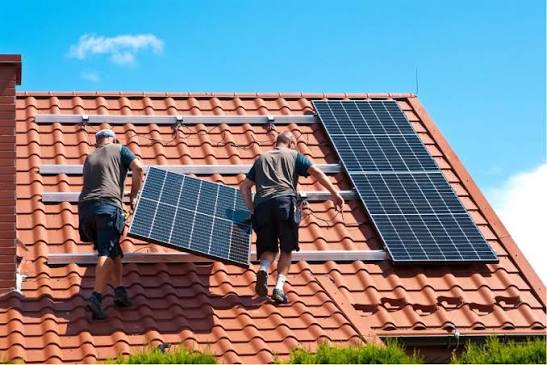
Yes, solar panels can help you save money on electricity bills over time. They let you make your own electricity and buy less from your energy supplier. Your savings will depend on the cost of your system, how much power you use and how much sunlight your home gets.
How Can Solar Panels Save You Money?
Electricity bills can take up a large part of your monthly budget. When prices rise, paying these bills becomes harder. Solar panels can help by letting you make some of your own electricity at home.
During the day, your panels use sunlight to make power. You can use this power to run your fridge, washing machine, TV and other appliances. This means you may need less electricity from the grid.
For example, you could run your washing machine when your panels are making enough power. This helps you use more of the electricity you produce.
You may still need power from the grid at night or on dark days. Solar panels do not cover all your energy needs at all times.
Your savings will depend on how much power you use and when you use it. Before buying a system, check your energy bills and think about how much electricity you could use during the day.
Why Can Solar Panels Be a Good Investment?
Solar panels can last for many years. Many come with performance warranties of around 25 years, but this can vary by brand. Over time, panels may make less power, yet they can keep working after the warranty ends.
This long working life gives you time to save money on your bills.
Think about how much you spend on electricity each year. If solar panels lower your bills, you could use that money for other household costs. Over the years, these savings may help you recover the cost of your system.
But solar panels do not save every home the same amount. A home with a sunny roof and high daytime power use may save more than a home with a shaded roof.
The cost of the system also matters. A cheap system may not always be the best choice. You should check the quality of the panels, the warranty and the amount of power the system may produce.
Ask your installer for an estimate of yearly power output and savings. Compare these figures with the full cost of the system. This will help you see how long it may take to get your money back.
What Affects Your Solar Panel Savings?
Not every home will save the same amount. Here are some things that can affect your savings.
1. Your Roof and Sunlight
Your roof can affect how much power your panels make. A roof that gets plenty of daylight is often a good choice.
Trees and nearby buildings can cast shadows on your panels. This can lower their output. The direction and angle of your roof also matter.
Ask an installer to check your roof before you buy a system. They can help you work out where the panels should go.
2. When You Use Electricity
The time you use power can affect your savings.
If you are at home during the day, you may use more of the electricity your panels make. But if everyone is out at work or school, your panels may produce power when nobody is home.
You can run your washing machine or dishwasher during the day to make better use of solar power. You could also add a battery to store extra power for later.
3. How Many Panels You Need
It may seem like a good idea to fill your whole roof with panels. But a bigger system is not always the best choice.
Your system should match the amount of power your home uses. If you make more electricity than you can use, the extra power may not save you much money.
A system that fits your needs can help you avoid spending more than you need to.
4. Electricity Prices and Export Payments
The price you pay for electricity affects how much you can save. When you use your own solar power, you may need to buy less electricity from your supplier.
You may also earn money by sending extra power back to the grid. Some UK homes can receive payments through an export tariff, such as the Smart Export Guarantee.
The payment rate depends on your supplier and tariff. Check the latest rates before you work out how much you could save.
5. The Cost of Installation
The cost of solar panels depends on the size of the system, the equipment and the work needed. Your roof may also need repairs before the panels can be fitted.
You should also plan for future repairs. An inverter, which helps turn solar power into usable electricity, may need to be replaced during the life of the system.
Get two or three quotes before making a choice. Compare the full price, the equipment and the warranty. Do not choose a system based on price alone.
Are Solar Panels Worth It in the UK?
Solar panels can work well in the UK, even when the weather is cloudy. They use daylight to make electricity, so they do not need strong sunshine every day.
However, the amount of power they make changes with the seasons. In summer, the days are longer, so panels often make more electricity. In winter, shorter days and weaker sunlight mean lower output.
This is why you should look at the power your system may make over a full year. Do not judge it by how much power it makes on one sunny day.
Ask your installer to estimate the yearly output for your home. They should consider your location, roof angle and any shade from trees or buildings.
It is also worth checking if your roof needs repairs before the work begins. Fixing these issues first can help you avoid extra costs later.
Can a Solar Battery Help You Save More?
Solar panels often make more power than a home needs during the day. A battery can store some of this extra power for later use.
For example, your panels may make plenty of electricity in the afternoon. You can store some of it in a battery and use it in the evening when the panels are no longer making much power.
This can help you buy less electricity from the grid.
But a battery adds to the cost of your system. Whether it is worth buying depends on the price, size and amount of power you use each day.
You do not have to buy a battery at the same time as your panels. You could install the panels first and see how much power you use. Then you can decide if a battery would help.
What If Your Roof Is Not Suitable for Solar Panels?
Roof-mounted panels are a common choice, but they do not suit every home. Your roof may have too little space, too much shade or an awkward shape.
If you have enough space in your garden or on your land, Ground Mounted Solar Panels may be another option.
These panels sit on frames on the ground instead of on your roof. This can give you more choice over where to place them and which way they face.
However, you need enough open space for the system. You may also need ground work, mounting frames and permission for the installation.
Ground-mounted panels are not always cheaper than roof-mounted panels. Compare the cost and expected power output before you decide.
How Can You Get More From Your Solar Panels?
Once your panels are installed, a few simple changes can help you use more of the power they make.
- Use power during the day. Run your washing machine or dishwasher when your panels are making electricity.
- Check your energy tariff. Find out how much you pay for grid power and how much you could earn from extra power.
- Watch your system’s output. If your panels make less power than expected, ask your installer to check them.
- Compare installation quotes. Look at the full cost, panel quality and warranty before choosing a company.
- Think before buying a battery. Check whether the extra cost is likely to be worth it for your home.
If you plan to switch to solar, look for reliable Solar Panel Installation Services that can check your home and explain your options.
Ask for a clear quote that shows the full cost, expected power output and likely savings. A good installer should explain what you can expect without making promises that sound too good to be true.
Every home is different. What works well for your neighbour may not give you the same results. Your own energy use and property should guide your choice.
Final Thoughts
Solar panels can help lower your electricity bills, but your savings depend on your home and the system you choose. The cost of installation, roof position and daily power use all play a part.
Before you spend your money, compare quotes and ask how much electricity the system may make each year. Think about whether a battery would help, but do not feel that you must buy one.
Solar panels can take several years to pay for themselves. The time it takes will depend on your costs and savings. Working out these figures before installation can help you make a better choice.
The best system is one that suits your home, your budget and your daily energy needs.
Frequently Asked Questions
1. Can solar panels really lower electricity bills?
Yes. Solar panels make electricity that you can use at home. This means you may need to buy less power from your supplier. Your savings depend on how much electricity you use and how much your panels produce.
2. How long do solar panels take to pay for themselves?
It depends on the cost of your system and how much you save each year. Your electricity prices and any payments for extra power also matter. Ask your installer for an estimate based on your home.
3. Do solar panels work on cloudy days?
Yes. Solar panels can still make electricity on cloudy days because daylight reaches them. However, they usually make less power than they do in bright sunshine.
4. Are solar panels worth it without a battery?
Yes. You can save money with solar panels alone. You may save more by using their power during the day. A battery can store extra power for later, but you should check if the added cost is worth it.
5. Do solar panels need a lot of care?
No. Solar panels usually need little routine care. However, you should keep an eye on their output and follow the maker’s advice. If you notice a drop in power or a fault, ask a qualified installer to check the system.