





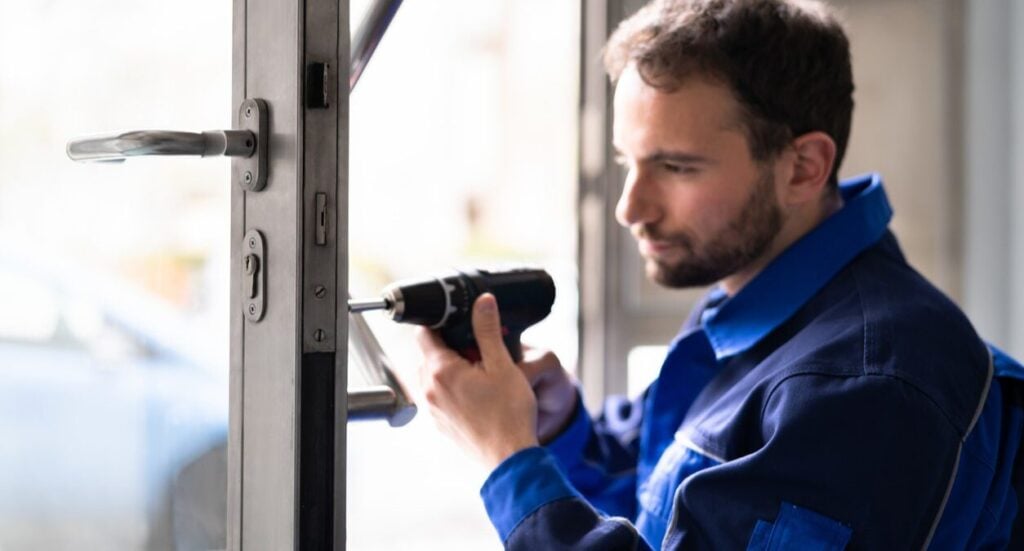
Keeping your home secure is essential for protecting your family, belongings, and personal privacy. However, you may not always know who has a copy of your house keys, especially after moving into a new property, losing a key, or ending a rental agreement. In these situations, rekeying your door locks can provide an effective way to improve security without replacing every lock in your home.
Rekeying involves changing the internal mechanism of an existing lock so that old keys no longer operate it. A new key is then created to match the updated lock configuration. This process can be a practical and affordable alternative to installing entirely new locks. Understanding its benefits can help homeowners make informed decisions about their property’s security.
What Is Lock Rekeying?
Lock rekeying is a locksmith service that changes the internal components of a compatible lock cylinder to work with a different key. The lock hardware generally remains in place, but its internal pin arrangement is adjusted to match the new key. Once the process is complete, the previous key should no longer unlock that particular lock.
Unlike replacing a lock, rekeying does not usually require installing a new handle, deadbolt, or lock cylinder. A professional locksmith can assess the existing hardware and determine whether it can be rekeyed. This option is especially useful when the current locks are in good condition and the homeowner wants to prevent access using previously issued keys.
What Are the Main Benefits of Rekeying Your Door Locks?
1. Improve Your Home’s Security
One of the biggest benefits of rekeying is regaining control over who can access your home. Previous owners, former tenants, contractors, or other individuals may still possess copies of your existing keys. Rekeying makes those old keys ineffective in the locks that have been changed.
This service can be particularly helpful after purchasing a house or experiencing a change in household arrangements. Although rekeying cannot address every security concern, it reduces the risk associated with unauthorized use of old keys. Homeowners can also combine rekeying with other measures, such as reinforcing door frames and installing quality deadbolts.
2. Save Money Compared With Replacing Locks
Replacing every lock in a property can become expensive, particularly when several exterior doors require attention. Rekeying typically costs less because the existing lock hardware remains in place. The final price depends on the number and type of locks, their condition, the complexity of the job, and any service fees.
For homeowners whose locks are functioning properly, rekeying can provide a cost-effective way to improve key security. However, damaged, outdated, or unreliable locks may need replacement instead. A professional assessment helps determine which option offers the best combination of affordability, durability, and protection.
3. Protect Your Home After Moving
When moving into a previously occupied property, you may not know how many copies of the original keys exist. Previous residents might have shared keys with relatives, neighbors, maintenance workers, or service providers. Even if the seller hands over every key they possess, additional copies may still be circulating.
Rekeying the exterior doors shortly after moving in helps establish a fresh starting point for home security. You can distribute new keys only to trusted household members and authorized individuals. This simple step provides greater peace of mind and helps ensure that access is managed according to your preferences.
4. Make Lost or Stolen Keys Less Risky
Losing a house key can create uncertainty, especially if it was stolen or lost alongside identification that reveals your home address. In such circumstances, rekeying may help reduce the risk of someone using the missing key to enter your property.
Consider contacting a locksmith promptly if you believe your keys have been stolen or could be connected to your address. A locksmith can evaluate the locks and recommend whether rekeying or replacement is appropriate. If you have an immediate reason to believe someone may enter your home unlawfully, contact local authorities and take additional safety precautions.
5. Simplify Key Management
Many homes have multiple exterior doors, each requiring a different key. Carrying several keys can be inconvenient, particularly for families with front doors, back doors, garage entry doors, and side entrances. Depending on the lock types and their compatibility, a locksmith may be able to rekey multiple locks to operate with one key.
This arrangement is often called a keyed-alike system. It can make daily access easier while reducing the number of keys household members need to carry. However, not every lock can be configured this way, so the locksmith should confirm compatibility before starting the work.
6. Maintain Existing Lock Hardware
If your locks are relatively new and operate smoothly, replacing them may be unnecessary. Rekeying allows you to keep existing hardware while changing which key operates the lock. This can be useful when the locks match your doors, complement your home’s appearance, or are part of a quality security system.
Before rekeying, a locksmith should check for worn keys, sticking cylinders, damaged components, and other mechanical issues. Rekeying does not repair every type of lock problem. If a lock is severely damaged or no longer provides dependable protection, replacing it may be the safer long-term choice.
When Should You Consider Rekeying Your Locks?
Rekeying can be beneficial in several everyday situations. Recognizing these circumstances can help you take action before a potential security issue becomes more serious.
Consider rekeying your door locks when:
- You move into a new house or apartment.
- Your keys are lost, stolen, or unaccounted for.
- A tenant moves out of a rental property.
- A household member or authorized keyholder no longer needs access.
- Contractors or service providers previously had access to your keys.
- You want to simplify access by using compatible locks with one key.
If you need professional assistance, Locksmith Blaine MN can be a relevant local search term when looking for locksmith services in Blaine, Minnesota. Before hiring a provider, verify their credentials where applicable, ask about pricing, and confirm that they can work with your existing lock type.
Rekeying vs. Replacing Door Locks
Although both options can improve access control, they serve different purposes. Rekeying changes which key operates a compatible existing lock, while replacement involves installing a different lock or lock cylinder. The right choice depends on the lock’s condition, your security needs, and your budget.
Choose rekeying when the existing locks are in good working condition and you primarily want to invalidate old keys. Consider replacement when locks are damaged, heavily worn, outdated, or unsuitable for your security requirements. Replacement may also be necessary if you want a different locking design or upgraded features that your current hardware cannot provide.
How to Maintain Your Door Locks After Rekeying
After rekeying, take a few simple steps to keep your locks operating reliably. Test every new key, confirm that each door locks properly, and ensure that old keys no longer operate the rekeyed locks. Keep track of who receives copies and avoid leaving spare keys in obvious outdoor locations.
You should also follow the lock manufacturer’s maintenance recommendations and avoid forcing a key when a cylinder feels stiff. If a lock becomes difficult to operate, have it inspected before the problem worsens. Regular maintenance, strong door hardware, and responsible key management work together to support better home security.
Conclusion
Rekeying your door locks offers several benefits, including improved access control, lower costs compared with many full lock replacements, easier key management, and greater peace of mind after moving or losing a key. It is a practical option when existing locks remain in good condition and the primary concern is preventing old keys from working.
By assessing your locks and security needs, you can decide whether rekeying or replacement is the better investment. A qualified locksmith can explain your options and help you maintain a secure, convenient entry system for your home.