






First impressions often develop within seconds of meeting someone. While personality, communication, and behaviour play important roles in how people are perceived, facial appearance can also influence initial judgments. The proportions, symmetry, and overall balance of facial features contribute to the way people interpret an individual’s appearance. From the relationship between the eyes and eyebrows to the shape of the jawline and chin, different facial characteristics work together to create an overall impression.
Facial proportions have become an important topic in aesthetics because they help explain why certain facial features appear balanced and harmonious. Understanding these proportions does not mean that there is one ideal facial structure. Instead, it highlights how individual features relate to one another and how these relationships influence visual perception.
What Are Facial Proportions?
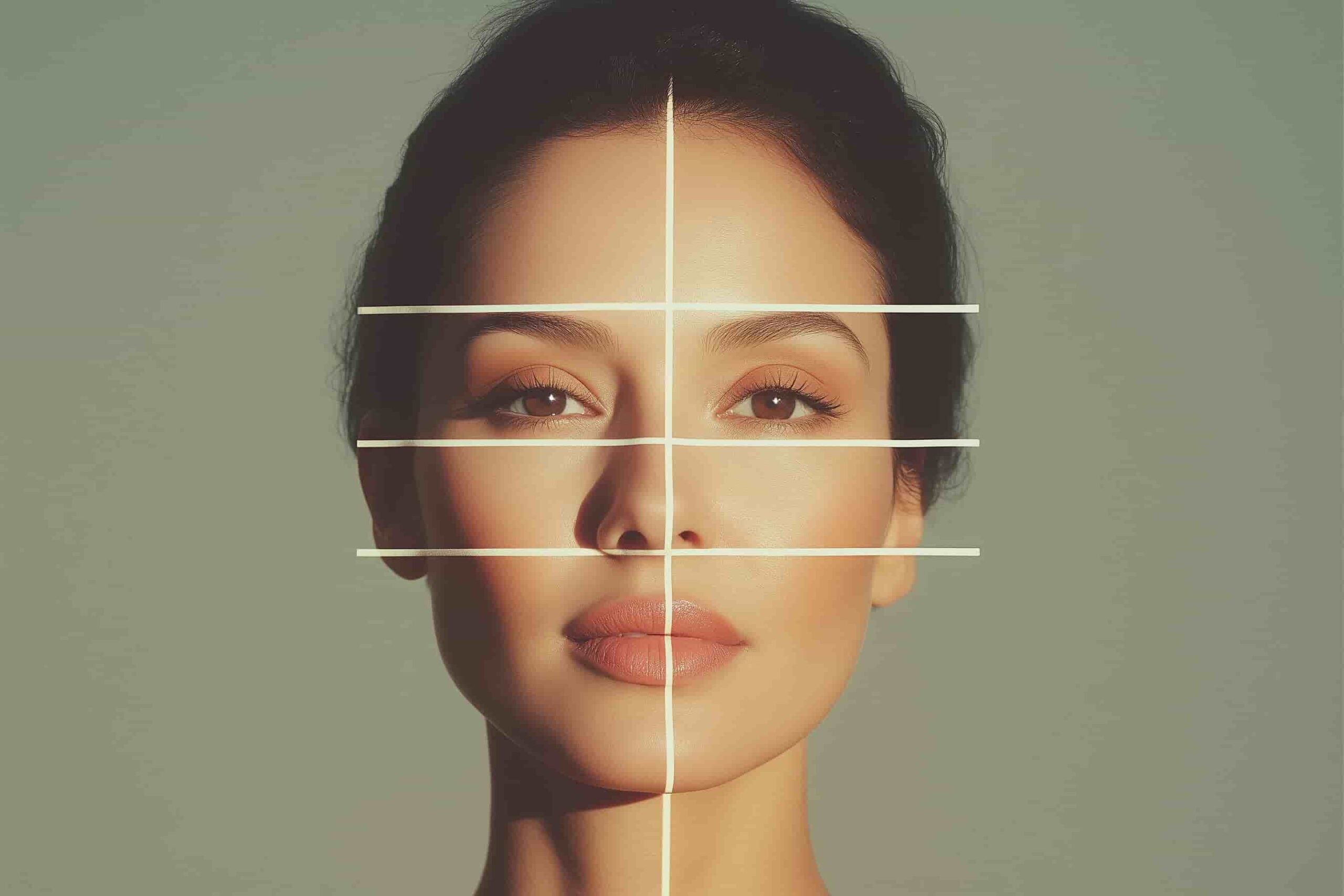
Facial proportions refer to the relative size, position, and relationship between different facial features. These include the eyes, nose, lips, cheeks, forehead, jawline, and chin. When these features are considered together, they create the overall structure and appearance of the face.
In aesthetic assessments, practitioners may examine different facial measurements and reference points to understand facial balance. For example, the distance between the eyes, the width of the nose, and the proportions of the upper, middle, and lower face can help describe an individual’s facial structure.
However, facial proportions vary naturally from person to person. Cultural backgrounds, genetics, age, and individual anatomy all contribute to facial diversity. Therefore, balanced proportions should not be confused with a single standard of beauty.
Why Do Facial Proportions Matter in First Impressions?
Human beings naturally process facial information when interacting with others. Facial expressions, feature placement, and overall appearance contribute to how a face is recognised and interpreted.
People may form quick impressions about characteristics such as confidence, approachability, or friendliness based on facial appearance. These impressions are subjective and do not necessarily reflect someone’s actual personality.
Balanced facial features may create a sense of visual consistency, while noticeable differences in proportion can attract attention to particular areas. This is one reason why facial balance is frequently considered in modern aesthetic treatments.
Understanding the relationship between facial structure and visual perception can help individuals make informed decisions about their appearance without feeling pressured to meet unrealistic beauty standards.
Five Important Facial Features That Influence Overall Balance
Different facial features contribute to the overall appearance of the face. Their relationship with surrounding areas can influence how balanced or defined the facial structure appears.
1. Eye Position and Spacing
The eyes are among the most noticeable features of the face. Their position, spacing, shape, and relationship with the eyebrows can influence overall facial expression.
Eyes that appear proportionate to the surrounding facial structure may create a balanced appearance. The distance between the eyes and their relationship with the nose and forehead also contribute to facial harmony.
In addition, the eyebrows frame the eyes and can influence how facial expressions are perceived. Small differences in eyebrow position or shape may change the overall impression of the upper face.
2. Nose Shape and Facial Balance
The nose occupies a central position on the face, making it an important feature in overall facial proportions. Its length, width, bridge, and tip contribute to the appearance of the middle face.
A nose that is proportionate to the forehead, cheeks, and chin may create visual balance. However, nose shape varies considerably, and a feature that looks different from conventional beauty standards is not necessarily unattractive or unbalanced.
The goal of aesthetic assessment should be to understand how individual features relate to the entire face rather than judging them separately.
3. Cheek Volume and Definition
The cheeks play an important role in facial structure because they contribute to the appearance of the middle face. Their natural volume and contour can influence how the face looks from different angles.
Well-defined cheekbones may create a more structured appearance, while changes in facial volume associated with ageing can affect the relationship between the cheeks and surrounding areas.
In selected individuals, aesthetic treatments may help address volume loss or improve cheek definition. Any enhancement should be based on individual anatomy and realistic expectations.
4. Lip Shape and Proportion
The lips contribute to facial expression, communication, and overall appearance. Their volume, shape, width, and relationship with the nose and chin can influence facial balance.
Lip proportions differ naturally between individuals. Some people have fuller lips, while others have thinner lips or more defined borders. Neither appearance is inherently better.
Cosmetic lip enhancement may be considered by individuals who want to adjust volume or definition. However, maintaining natural proportions is important to avoid creating an appearance that does not complement the rest of the face.
5. Jawline and Chin Structure
The jawline and chin contribute significantly to the appearance of the lower face. Their shape and definition influence facial contours, particularly when viewed from the side.
A well-defined jawline may create a more structured appearance, while chin projection can influence the relationship between the nose, lips, and lower face.
Changes in skin elasticity, bone structure, and facial volume can affect these areas over time. Certain aesthetic treatments may help improve definition in suitable individuals following a professional assessment.
The Role of Facial Symmetry in Visual Perception
Facial symmetry refers to the degree to which the left and right sides of the face resemble each other. It is often discussed in relation to attractiveness because people may perceive relatively symmetrical features as visually balanced.
However, perfect facial symmetry is extremely uncommon. Most people have natural differences between the two sides of their face, including variations in eyebrow height, eye shape, cheek volume, and jawline definition.
These differences are part of normal human appearance. Furthermore, symmetry alone does not determine attractiveness. Facial expressions, individuality, skin quality, and the overall relationship between features also contribute to appearance.
For this reason, modern aesthetic approaches generally focus on improving balance where appropriate rather than attempting to create mathematical perfection.
How Ageing Changes Facial Proportions
Facial proportions can change gradually as people age. These changes are influenced by several biological processes, including reduced collagen production, changes in skin elasticity, shifting facial fat compartments, and changes in underlying bone structure.
Some common age-related changes include:
- Reduced volume in the cheeks and temples.
- More noticeable folds around the mouth and nose.
- Changes in jawline definition.
- Reduced skin elasticity and firmness.
- Changes in lip volume and surrounding skin.
These developments can influence how facial features relate to one another. Understanding these natural changes helps explain why some individuals explore non-surgical aesthetic treatments to address specific concerns.
Can Aesthetic Treatments Improve Facial Proportions?
Certain aesthetic treatments can help address concerns related to facial volume, definition, and balance. However, treatment selection should always depend on individual anatomy and professional assessment.
Dermal fillers may be used to restore selected areas of lost volume or enhance features such as the cheeks, chin, and jawline. Anti-wrinkle injections may help soften certain expression lines by temporarily relaxing targeted muscles.
A broader treatment approach known as facial harmonisation considers how different facial areas relate to each other. Rather than focusing on one feature, it aims to create a balanced appearance through carefully selected procedures.
At AATRAS, understanding facial structure and individual aesthetic goals is an important starting point when exploring suitable treatment options. A professional consultation helps establish whether a particular procedure is appropriate and what results can realistically be expected.
It is important to remember that cosmetic procedures involve potential risks and limitations. Choosing a qualified medical practitioner and discussing possible complications before treatment are essential steps.
Conclusion
Facial proportions influence how people visually interpret facial appearance and form initial impressions. The relationship between the eyes, nose, cheeks, lips, jawline, and chin contributes to overall facial balance, while symmetry and natural expressions also play important roles. However, there is no universal facial proportion that defines beauty, as individual features and natural differences make every face unique.
For individuals interested in understanding and improving their facial balance, exploring Facial Harmonisation in Umm Suqeim 3, Dubai at AATRAS can be a useful starting point. A professional consultation can help identify individual aesthetic concerns, explain suitable treatment options, and develop a personalised approach that respects natural facial characteristics while prioritising safety and realistic outcomes.