






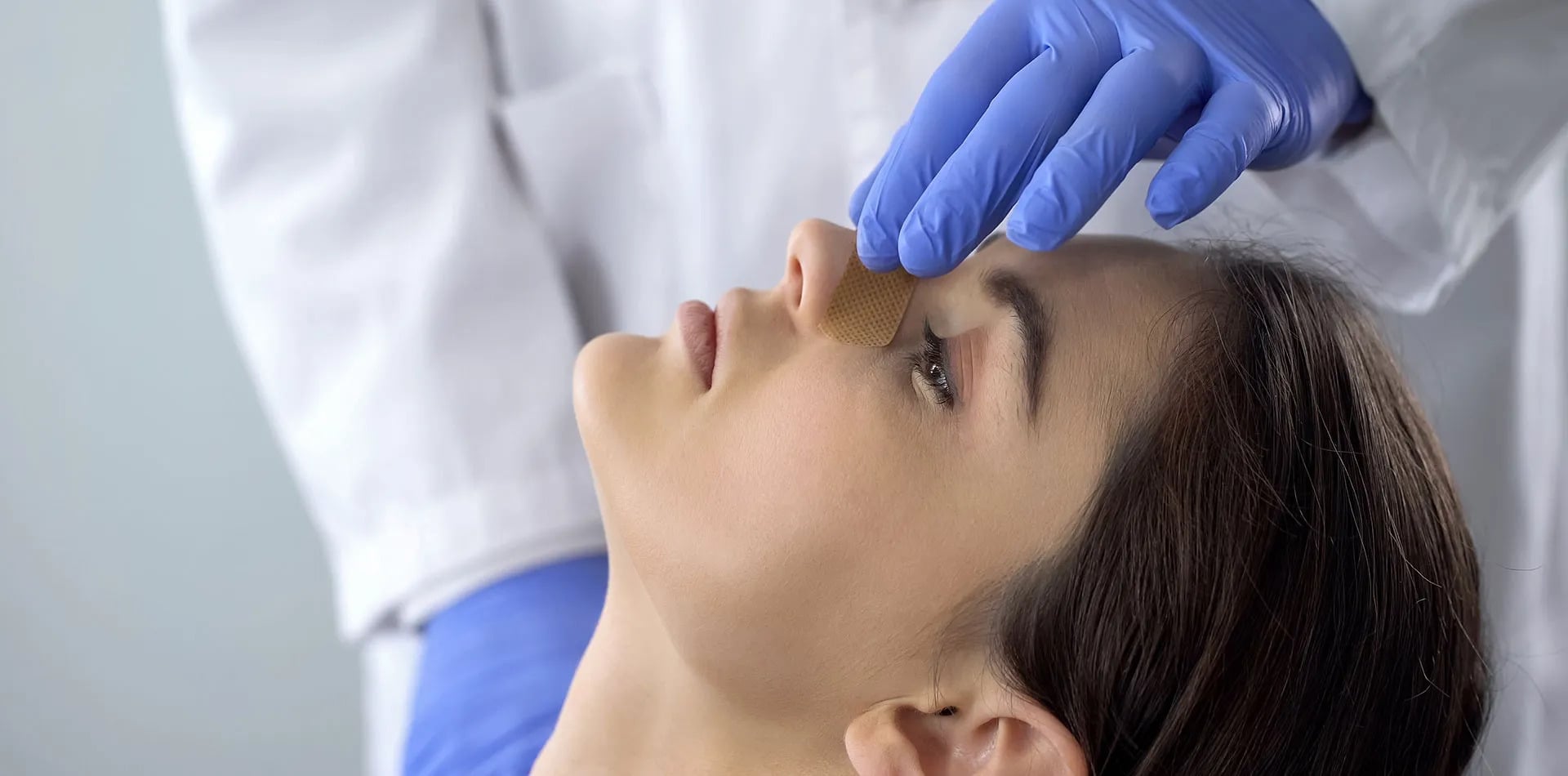
Facial harmony is influenced by the relationship between different facial features, including the nose, chin, forehead, lips, and cheeks. Even a relatively small difference in nasal proportions can affect how balanced the overall face appears. For this reason, many people consider rhinoplasty when they feel that their nose does not complement their other facial features.
Rhinoplasty, commonly known as nose surgery, is a procedure that reshapes the nasal structure to improve appearance, address certain functional concerns, or achieve both objectives. However, can changing the shape of the nose really create a more balanced facial profile? Understanding the relationship between nasal proportions and surrounding facial features can help patients develop realistic expectations before considering surgery.
Understanding Facial Profile and Overall Harmony
A facial profile refers to the appearance of the face when viewed from the side. It includes the forehead, nose, lips, chin, and jawline. These features work together to create an individual’s overall facial proportions.
The nose occupies a central position on the face, which means its size, projection, and shape can influence the visual relationship between other features.
For example, a prominent nasal bridge may make the nose appear more noticeable in relation to the chin. Similarly, a drooping nasal tip or an uneven nasal contour may affect the appearance of facial symmetry.
Rhinoplasty can modify certain nasal characteristics to create a more harmonious relationship between the nose and the rest of the face. The objective is not to achieve mathematical perfection but to improve proportions while maintaining the patient’s natural appearance.
How Can Rhinoplasty Improve Facial Balance?
Rhinoplasty can address several nasal features that may influence the facial profile. The appropriate changes depend on the individual’s anatomy and aesthetic goals.
- Refining a Prominent Nasal Bridge
A noticeable hump or irregularity along the nasal bridge can make the nose appear more prominent from the side. Rhinoplasty may involve carefully reshaping the underlying bone and cartilage to create a smoother nasal contour.
This can improve the relationship between the nose, forehead, and chin without necessarily reducing the overall size of the nose.
- Improving Nasal Tip Projection
The nasal tip plays an important role in the overall appearance of the nose. A tip that projects too far forward or appears droopy may influence the balance of the facial profile.
Through appropriate structural modifications, a surgeon may adjust tip projection or rotation to achieve proportions that better complement the patient’s features.
- Addressing Nasal Asymmetry
Differences between the two sides of the nose can affect facial symmetry. These may result from natural anatomy, previous injuries, or earlier surgical procedures.
Rhinoplasty may help improve certain irregularities by modifying the nasal framework. However, perfect symmetry is not always achievable because natural facial asymmetry is common.
- Adjusting Nasal Width
A wide nasal bridge or broad nasal base may appear disproportionate to other facial features in some individuals.
Depending on the patient’s anatomy, rhinoplasty may include techniques to refine nasal width or adjust the nostril base. These modifications should be planned carefully to preserve appropriate nasal function.
The Relationship Between the Nose and Chin
One important consideration when evaluating facial balance is the relationship between nasal projection and chin position.
A prominent nose may appear even more noticeable when the chin is relatively recessed. In contrast, a smaller nose may appear more balanced when viewed alongside a well-proportioned chin.
This does not necessarily mean that the nose requires extensive reduction. In some patients, the chin contributes significantly to the overall profile, and addressing nasal appearance alone may not achieve the expected balance.
A comprehensive facial assessment helps identify which features influence the patient’s concerns. Depending on individual needs, a surgeon may discuss whether rhinoplasty alone is appropriate or whether other treatment options should be considered.
Does Every Patient Need the Same Rhinoplasty Approach?
No. Every face has unique anatomical characteristics, so rhinoplasty should never follow a standardised approach.
Factors such as skin thickness, nasal bone structure, cartilage strength, tip shape, and facial proportions influence surgical planning.
For example, a patient with thick nasal skin may require a different technique from someone with thin skin. Similarly, patients with weak cartilage or previous nasal injuries may need additional structural support.
The surgeon must also consider breathing function. Aesthetic changes should not compromise the nasal airway or the structural stability of the nose.
A personalised treatment plan helps ensure that the proposed modifications are appropriate for the patient’s anatomy rather than simply following a popular cosmetic trend.
What Happens During a Rhinoplasty Consultation?
The consultation is an important stage in determining whether rhinoplasty can help improve a patient’s facial profile.
During the assessment, the surgeon typically examines the nose from different angles, evaluates nasal proportions, reviews medical history, and discusses the patient’s concerns.
Photographs may be used to assess the relationship between the nose and other facial features. In some cases, digital imaging can help patients visualise possible changes. However, simulations are only planning aids and cannot guarantee the final surgical result.
Patients should discuss their expectations openly and ask about the proposed surgical technique, recovery period, potential complications, and realistic limitations.
What Should Patients Expect After Surgery?
Rhinoplasty results develop gradually rather than appearing immediately after surgery.
Initial swelling and bruising are common during the first few weeks. Most visible bruising generally improves within one to two weeks, although swelling may continue for several months.
Subtle changes, particularly around the nasal tip, can take 12 months or longer to settle fully.
Patients should follow their surgeon’s postoperative instructions, attend follow-up appointments, and avoid activities that could put pressure on the healing nose.
It is also important to understand that rhinoplasty involves potential risks, including bleeding, infection, breathing changes, scarring, and dissatisfaction with the outcome. These considerations should be discussed before proceeding.
Why Is Choosing the Right Surgeon Important?
Achieving a balanced facial profile requires more than simply changing the size or shape of the nose. It involves understanding facial anatomy, nasal function, and the relationship between different features.
Choosing an appropriately qualified and experienced surgeon is therefore essential.
Dr Hussam Abaddi is associated with rhinoplasty and facial plastic surgery. His ENT and facial plastic surgery background is relevant when assessing patients who wish to address nasal appearance while considering functional aspects of the procedure.
Patients should evaluate a surgeon’s qualifications, relevant experience, professional registration, surgical approach, and postoperative care arrangements before making a decision.
Conclusion
Rhinoplasty can help create a more balanced facial profile by refining nasal proportions, improving tip projection, addressing certain irregularities, and enhancing the relationship between the nose and surrounding facial features. However, successful treatment depends on individual anatomy, realistic expectations, and careful surgical planning.
Anyone considering nose surgery should seek a comprehensive assessment to understand which changes are appropriate for their facial structure. Consulting Dr Hussam Abaddi can help patients explore their options and understand the considerations involved in rhinoplasty. Individuals searching for a Rhinoplasty Specialist in Al Manara Dubai should prioritise specialist qualifications, personalised treatment planning, and an approach that considers both facial harmony and nasal function.