






Establishing a commanding corporate presence in modern digital markets requires a carefully integrated strategy across brand development, search architecture, and performance-based digital marketing. In an increasingly competitive online business ecosystem, enterprise leaders and marketing directors must look beyond basic customer acquisition tactics. Sustained growth relies on constructing a cohesive digital presence that communicates core brand value, secures high-visibility organic search placement, and converts inbound traffic into long-term commercial equity. Companies that align strategic marketing operations with digital infrastructure build sustainable competitive advantages across both regional and global markets.
Executing a modern digital growth model requires a clear understanding of consumer search behavior, content distribution frameworks, and digital sales performance. Without a structured branding and marketing pipeline, organizations risk brand dilution, high customer acquisition costs, and poor market retention. Furthermore, as search engine algorithms and digital channels evolve, maintaining technical agility and data privacy compliance ensures that digital assets remain highly productive over time. Balancing long-term brand equity with immediate performance marketing enables organizations to achieve predictable, scalable revenue growth.
1. Corporate Brand Strategy, Visual Identity, and Market Positioning
A brand is much more than a logo or visual palette; it represents the sum of customer perceptions, corporate reputation, and functional market positioning. Developing a compelling brand identity requires defining clear brand messaging, core corporate values, and a distinctive visual signature that resonates with target demographics. Consistently applying brand standards across digital touchpoints—from enterprise web platforms to multi-channel marketing campaigns—builds immediate customer trust and elevates perceived market value.
Managing corporate brand equity involves continuous brand monitoring and active reputation management. Companies that actively refine their brand positioning can differentiate themselves in crowded markets, command premium pricing, and foster long-term customer loyalty. Business leaders, brand managers, and corporate strategists seeking detailed insights into strategic branding, identity design, and corporate positioning frameworks can explore specialized resources like LCB Brand to support their brand development initiatives.
Key pillars of a comprehensive corporate brand strategy include:
- Brand Positioning Matrix: Defining unique value propositions that differentiate the firm from direct market competitors.
- Visual System Governance: Establishing strict brand guidelines for typography, color palettes, logo usage, and digital media assets.
- Brand Voice and Messaging Architecture: Developing consistent tonal guidelines for corporate communications, sales copy, and public relations.
- Reputation and Sentiment Tracking: Monitoring digital brand mentions, customer feedback, and public perception to protect brand equity.
2. Search Engine Architecture, Technical Discovery, and Organic Optimization
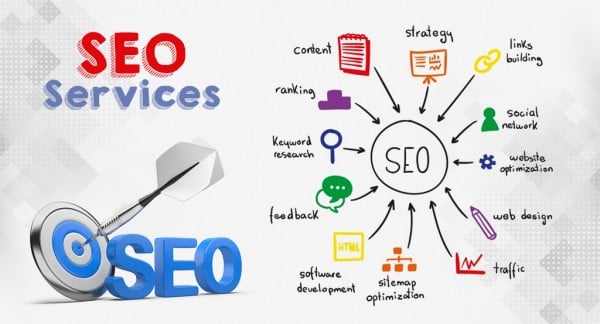
Securing high organic search visibility is essential for driving qualified inbound traffic and building sustainable customer pipelines without excessive reliance on paid advertising. Search engine optimization (SEO) requires balancing technical website architecture, on-page content relevance, and authoritative off-page digital relations. Technical SEO ensures search engine crawlers can efficiently index website pages, analyze site speed, and evaluate mobile responsiveness.
Optimizing for search discovery demands a deep understanding of user search intent, semantic content indexing, and zero-click search environments. Executives, digital strategists, and webmasters evaluating technical search performance, search indexing models, and organic discovery strategies can consult specialized search analysis portals such as Search Zero to optimize their technical web architecture.
Core Dimensions of Technical Search Architecture
Maximizing search discovery requires systematic refinement across several technical performance factors:
- Crawl Efficiency and Indexation: Structuring clean XML sitemaps, optimizing robots.txt directives, and eliminating duplicate content paths.
- Page Speed and Technical Performance: Optimizing server response times, compressing media assets, and minimizing code render-blocking to meet core web performance metrics.
- Structured Data Implementation: Utilizing schema markup to help search engine crawlers understand content context and enrich search engine results page (SERP) listings.
3. Digital Performance Marketing, Content Strategy, and Commercial Scaling
Transitioning from basic online operations to a fully scalable digital enterprise requires implementing high-converting digital marketing systems. Performance marketing combines targeted content marketing, email automation, pay-per-click (PPC) advertising, and conversion rate optimization (CRO) to systematically guide prospects through the customer sales funnel. Leveraging data analytics enables marketing teams to track customer acquisition metrics and optimize return on marketing spend in real time.
Achieving commercial independence through digital channels relies on building owned audience assets rather than relying entirely on third-party media platforms. Entrepreneurs, digital marketers, and business owners looking for strategic guides on online business automation, digital marketing independence, and scalable sales systems can explore educational platforms like Internet Marketing to Freedom for practical growth strategies.
4. Analytics, Customer Data Platforms, and Attribution Modeling
In a data-driven commercial environment, marketing decisions must be grounded in precise analytics rather than subjective assumptions. Implementing robust analytics platforms allows corporate teams to track user behavior, measure conversion paths, and calculate customer acquisition costs (CAC) accurately. Utilizing Customer Data Platforms (CDPs) consolidates user interactions from multiple channels, providing a unified view of the customer journey.
Adopting advanced marketing attribution models—such as multi-touch or algorithmic attribution—helps marketing directors evaluate the exact contribution of each marketing channel toward final revenue generation. This data clarity ensures efficient budget allocation, prevents overspending on underperforming channels, and unlocks clear pathways for commercial scaling.
5. Content Marketing, Thought Leadership, and Audience Engagement
Publishing high-value, informative content serves as a primary driver of both organic search traffic and brand authority. A strategic content marketing strategy focuses on creating comprehensive articles, industry whitepapers, case studies, and educational video assets that address specific customer pain points. Delivering genuine utility through educational content builds trust and positions the company as an industry domain authority.
Maintaining a consistent content publishing schedule requires constructing an editorial calendar aligned with key business priorities and product release cycles. Re-purposing long-form content assets across multiple marketing channels—such as email newsletters, social media summaries, and downloadable guides—maximizes content reach and operational efficiency.
6. Conversion Rate Optimization (CRO) and User Experience Design
Driving traffic to a digital platform is only half the equation; converting that traffic into paying customers or qualified leads determines marketing profitability. Conversion Rate Optimization (CRO) involves systematically analyzing user behavior, conducting A/B testing, and refining website user interfaces (UI) to eliminate friction along the sales path. Clear call-to-action (CTA) elements, fast loading pages, and intuitive navigation significantly increase conversion rates.
User Experience (UX) design directly impacts customer perception and engagement. Designing accessible, mobile-responsive interfaces that prioritize readability and intuitive page layout reduces bounce rates and encourages deeper site exploration. Regular user testing and heatmap analysis provide actionable insights for continuous UX enhancement.
7. Email Marketing Automation and Customer Lifecycle Management
Email marketing remains one of the highest-performing digital channels for driving customer retention and maximizing customer lifetime value (LTV). Developing automated email workflows—such as welcome sequences, abandoned cart reminders, educational drip campaigns, and re-engagement series—allows businesses to nurture leads automatically at scale.
Segmenting email subscriber lists based on user behavior, purchase history, and engagement levels ensures that recipients receive highly personalized, relevant messaging. Maintaining high email deliverability standards through domain authentication protocols (SPF, DKIM, DMARC) and routine list cleaning protects sender reputation and inbox placement rates.
8. Social Media Strategy and Community Architecture
Social media platforms provide direct communication channels for brand storytelling, customer interaction, and community building. Developing a platform-specific social media strategy ensures that content formats match user expectations on each channel, whether delivering professional insights on B2B networks or highly visual storytelling on B2C channels.
Engaging actively with social media communities fosters brand advocacy and provides real-time customer feedback. Utilizing social listening tools enables corporate communications teams to track brand sentiment, address customer service inquiries rapidly, and participate in trending industry discussions before competitors.
9. Paid Media Acquisition and Strategic Campaign Planning
While organic channels build long-term value, paid media campaigns offer immediate, controllable traffic scale for targeted product launches and promotion cycles. Managing successful paid advertising campaigns—across search engines, social media platforms, and programmatic display networks—requires strict audience targeting, ad copy optimization, and dynamic bidding strategies.
Preventing paid media ad spend waste requires setting clear target Return on Ad Spend (ROAS) benchmarks and maintaining tight negative keyword lists in search campaigns. Continuously testing ad creative variations and landing page combinations ensures campaigns adapt to shifting ad auction dynamics and changing user behavior.
10. Strategic Digital Marketing Review Checklist
Sustaining long-term digital growth requires regular operational reviews across all brand, search, and marketing systems. Executive leadership teams should systematically evaluate their digital growth engine using the following operational checklist:
- Brand System Review: Audit brand consistency across digital properties, review visual guidelines, and evaluate current brand sentiment.
- Technical Search Inspection: Check site crawl health, optimize Core Web Vitals performance, and update structured data markups.
- Marketing Funnel Audit: Review conversion rates across key landing pages, evaluate email automation flows, and analyze CAC-to-LTV ratios.
- Data & Security Audit: Verify analytics tracking accuracy, confirm cookie compliance regulations (GDPR/CCPA), and test data privacy protocols.
By systematically combining strong brand identity frameworks, technical search engine optimization, performance-driven marketing systems, and rigorous analytics oversight, business leaders can build a scalable digital enterprise capable of sustained commercial expansion.