




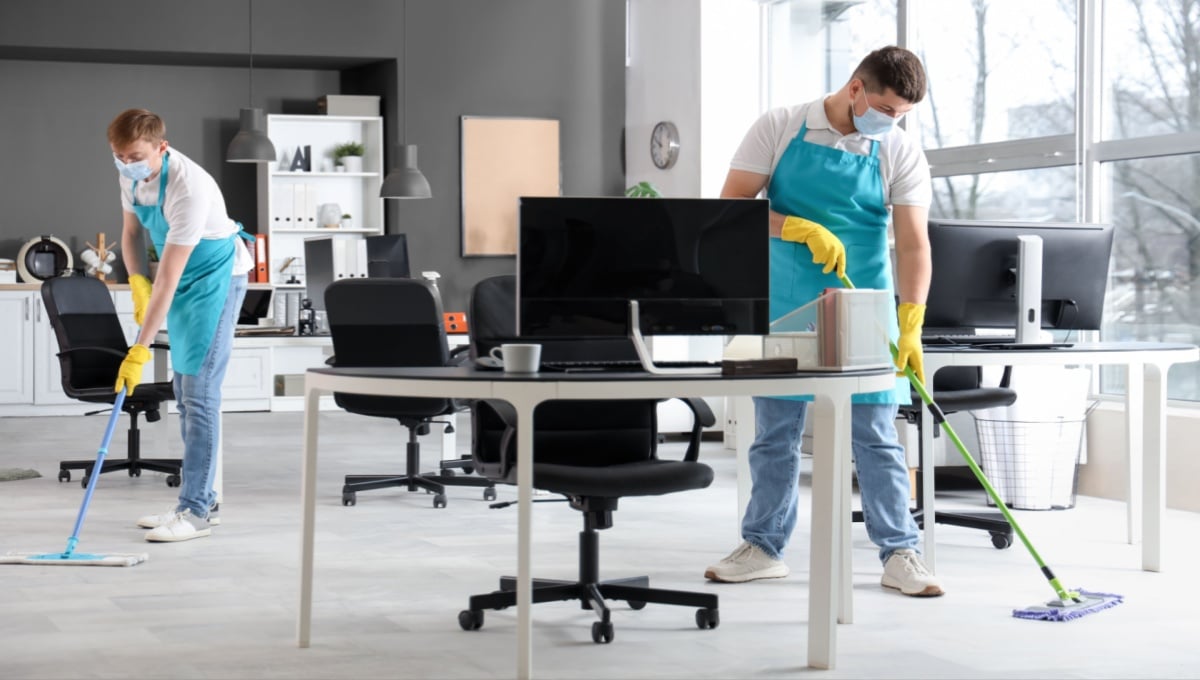
An organized office helps employees focus on their work and gives visitors a more comfortable environment. Dust, fingerprints, waste, and clutter can accumulate in shared spaces, especially when several people use the same rooms throughout the day. Office cleaning services can help businesses establish a consistent approach to maintaining work areas, common rooms, and frequently touched surfaces.
Understanding Office Cleaning Needs
Every office has its own layout and daily routine. Some workplaces have individual offices and meeting rooms, while others use open workstations, shared desks, and collaboration areas. These differences influence how cleaning should be planned.
Consider how many people use the office, which areas receive the most traffic, and whether certain rooms contain sensitive equipment. This information can help determine the appropriate cleaning frequency and identify tasks that should be completed outside normal working hours.
Maintaining Reception and Waiting Areas
Reception areas often shape the first impression visitors receive. Dusty counters, marked glass, untidy seating, and visible debris can make the space appear less organized.
Regularly clean accessible surfaces and keep the area free of unnecessary clutter. Seating, entrance mats, and visible floors may require frequent attention, depending on foot traffic. A tidy reception area helps create a more welcoming environment without requiring complicated changes.
Keeping Desks and Workstations Clean
Workstations can accumulate dust, paper scraps, drink marks, and fingerprints. However, desks may also contain confidential documents, personal belongings, and electronic equipment that require careful handling.
Businesses should establish clear expectations about what may be moved or cleaned. Employees can organize paperwork and secure sensitive items before scheduled work. Cleaning products should be suitable for desk finishes, keyboards, monitors, and other equipment.
Maintaining Meeting Rooms
Meeting rooms are used for discussions, presentations, interviews, and collaborative work. Tables, chairs, whiteboards, and shared equipment may need attention after frequent use.
A simple checklist can include wiping suitable surfaces, collecting waste, arranging chairs, and checking for items left behind. Rooms should also be inspected before important meetings when possible. Consistent maintenance helps keep these spaces ready for their next use.
Caring for Office Floors
Office floors collect dirt from shoes, spills, and daily movement. The correct maintenance method depends on whether the surface is carpet, tile, vinyl, hardwood, or another material.
Vacuuming, sweeping, and damp cleaning may all be appropriate in different circumstances. Avoid excessive moisture on materials that can be damaged by water, and use suitable products to reduce residue. High-traffic routes may need more frequent attention than less-used rooms.
Cleaning Shared Kitchens
Office kitchens and break areas can collect crumbs, food residue, and spills. Countertops, tables, sinks, and appliance exteriors may need regular cleaning, depending on how often employees use the space.
Food preparation surfaces should be treated with products suitable for their intended use. Employees can help by cleaning up spills, disposing of waste properly, and returning shared items to their designated locations. These habits complement scheduled maintenance.
Maintaining Restrooms
Restrooms require careful attention to fixtures, counters, floors, waste bins, and supplies. Their maintenance needs depend on the number of users and the hours the office remains open.
A clear checklist helps ensure that important tasks are completed. Cleaning products should be used according to their instructions, and any leaks, damaged fixtures, or persistent odors should be reported. These problems may require maintenance beyond routine cleaning.
Paying Attention to High-Touch Surfaces
Door handles, light switches, railings, shared controls, and other frequently touched surfaces can collect residue throughout the day. The cleaning plan should identify which surfaces need regular attention.
If disinfecting is part of the facility’s requirements, use an appropriate product and follow the specified contact time. Avoid using chemicals on equipment or surfaces unless they are suitable for that application. Proper procedures help maintain the space without damaging materials.
Reducing Clutter in Shared Spaces
Clutter makes it harder to reach surfaces and can obstruct walkways. Shared printers, supply cabinets, and storage areas often become disorganized when items are returned inconsistently.
Assign designated locations for supplies and encourage employees to keep common areas orderly. Keep emergency routes and exits clear at all times. An organized layout makes cleaning easier and improves everyday access.
Working Around Office Hours
Cleaning schedules should suit the workplace’s operating hours. Some businesses prefer cleaning before employees arrive, while others arrange service after the workday. Facilities that remain open for extended periods may need a different plan.
Discuss access procedures, alarm systems, restricted rooms, and any scheduling limitations in advance. A clear arrangement helps reduce disruption and ensures that the cleaning provider understands how to enter and leave the premises.
Protecting Confidential Information
Offices may contain printed records, client documents, financial information, and other sensitive materials. These items should be secured before cleaning takes place.
Establish rules about which desks or rooms can be accessed and whether any areas must remain untouched. Employees should remove confidential papers from exposed surfaces and lock away sensitive records. Clear procedures help protect information while allowing routine maintenance to proceed.
Selecting Appropriate Supplies
Office surfaces vary widely, from glass and polished desks to fabric seating and electronic equipment. Using the wrong product can leave residue or cause damage.
Choose products according to the manufacturer’s recommendations and the material being cleaned. Keep supplies stored safely and ensure that staff understand any precautions. When in doubt, verify compatibility before applying a product to a visible surface.
Evaluating Office Cleanliness
Periodic reviews help determine whether the cleaning schedule is effective. Look at the condition of floors, shared surfaces, restrooms, kitchens, waste bins, and reception areas.
If certain problems keep returning, consider whether the area needs more frequent attention or a different method. Employees can also report issues that arise between scheduled visits. Regular communication helps maintain a consistent standard.
Planning for Changing Office Needs
Office requirements may change when staff numbers increase, rooms are rearranged, or a business introduces new equipment. These changes can affect the amount of cleaning needed and the areas that require special care.
Review the plan after major changes and communicate new priorities. An updated schedule helps ensure that the cleaning arrangement remains practical as the workplace evolves.
Choosing a Suitable Office Cleaning Arrangement
When comparing providers, ask what areas are included, how frequently tasks will be completed, and whether supplies are part of the agreement. Clarify access requirements, timing, and the process for reporting concerns.
Office cleaner in Valley Village is a phrase people may use when looking for help maintaining local workspaces. L.s Cleaning Service serves customers in Valley Village, CA, and can discuss office cleaning requirements based on your facility’s layout and schedule. Contact the company today to request information and arrange service.
Frequently Asked Questions
1. How often should an office be cleaned?
The frequency depends on office size, occupancy, foot traffic, and the use of shared spaces. Restrooms, kitchens, and busy entrances may need more frequent attention.
2. Should employees clear their desks before cleaning?
Securing confidential documents and organizing personal belongings helps make surfaces accessible. Businesses should also explain which items may be moved and which must remain in place.
3. What areas should receive regular attention?
Common areas include reception spaces, workstations, meeting rooms, floors, restrooms, and shared kitchens. The exact plan should reflect the office’s layout and usage.
4. Can cleaning be arranged outside normal office hours?
Scheduling depends on the provider’s availability and the property’s access requirements. Discuss preferred times, alarm procedures, and any restrictions in advance.
5. How can I maintain cleanliness between visits?
Encourage employees to dispose of waste, clean up spills, organize shared supplies, and keep walkways clear. These habits complement the regular cleaning schedule.
Conclusion
A well-maintained office supports an organized and comfortable workplace. Regular attention to workstations, floors, shared rooms, and restrooms can help keep the environment presentable while reducing clutter. L.s Cleaning Service serves businesses in Valley Village, CA, with cleaning arrangements suited to different office needs. Contact the company today to discuss your workplace and schedule service.