






Reliable Deemak Control in Lahore for Homes and Businesses
Deemak is a common concern for property owners who want to protect their homes, offices, shops, and commercial buildings from hidden damage. These tiny insects can attack wooden furniture, doors, cupboards, flooring, and other materials containing cellulose. In many cases, their activity remains unnoticed until the damage becomes visible. This is why timely deemak control in Lahore is important for maintaining the condition and safety of a property.
Lahore has a wide variety of residential and commercial buildings, including newly constructed houses, older properties, apartments, and office spaces. Each type of building may face different termite-related challenges depending on its construction, moisture conditions, ventilation, and surrounding environment. A suitable control plan helps identify termite activity and address the conditions that allow these pests to survive.
Professional treatment focuses on more than removing visible signs of deemak. It involves inspecting affected areas, identifying possible termite entry points, selecting suitable treatment methods, and recommending preventive measures. With proper attention, property owners can reduce the risk of further damage and maintain their buildings in better condition.
Why Deemak Infestations Are a Concern in Lahore
Termites can survive in different environments when they find suitable food, moisture, and shelter. In Lahore, properties may experience termite problems because of damp areas, leaking plumbing, concealed wooden structures, or contact between building materials and the soil. Construction details and maintenance conditions can also influence the likelihood of an infestation.
Deemak often works quietly inside wood or behind walls, which makes early detection difficult. A cupboard may appear normal from the outside while its internal structure becomes weak. Similarly, door frames and wooden panels may develop damage without obvious signs during the early stages.
Ignoring these warning signs can allow the infestation to spread to other wooden items or nearby areas. Early inspection helps determine whether the problem is caused by termites or another issue, such as moisture damage or wood decay. Identifying the actual cause is essential for choosing the correct treatment.
Common Signs of Deemak in Residential Properties
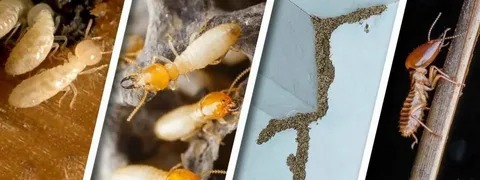
Recognising early signs of termite activity can help homeowners arrange treatment before the damage becomes extensive. One common sign is the appearance of mud tubes along walls, foundations, or other surfaces. Some subterranean termites construct these narrow tunnels to travel between their colony and food sources while protecting themselves from dry air.
Another warning sign is wood that sounds hollow when gently tapped. Termites may consume the internal portions of wooden materials while leaving the outer surface relatively intact. Over time, affected wood can become weak, cracked, or easily damaged.
Small holes, blistered paint, damaged wooden edges, and discarded wings near windows or doors may also indicate a possible termite problem. However, these signs do not always confirm an infestation. A professional inspection can help identify the source and determine the level of activity.
Homeowners in Lahore should pay particular attention to wooden cupboards, kitchen cabinets, bed frames, storage units, door frames, and areas close to damp walls. Checking these places regularly can help reveal problems before they become more difficult to control.
Professional Deemak Treatment for Houses and Apartments
Every property has its own layout and construction features, so termite treatment should be planned according to the actual condition of the building. A house with damaged wooden furniture may require a different approach from an apartment where termites are suspected near a wall or floor.
The process usually begins with an inspection of visible damage, wooden structures, moisture sources, and possible termite entry points. The technician may check cupboards, door frames, skirting boards, storage areas, and other places where termite activity can remain concealed.
After identifying the likely source of the problem, the service provider can recommend a suitable treatment method. Depending on the termite species and infestation, this may involve targeted application, approved baiting systems, or other specialised measures. If termites are entering from the soil, the treatment plan may also need to address the surrounding foundation or relevant construction areas.
A careful approach helps ensure that treatment is directed toward the affected areas instead of relying only on general spraying. Follow-up inspection may be necessary to assess the results and identify any continuing activity.
Deemak Control for Wooden Furniture and Cupboards
Wooden furniture is often one of the first places where property owners notice termite damage. Beds, wardrobes, dining tables, office desks, kitchen cabinets, and wooden shelves can all become vulnerable when termites find a suitable food source.
The challenge is that termites may remain inside furniture for an extended period without creating obvious external damage. Small openings, weakened joints, hollow sections, or fine wood particles may be the first visible clues. Moving the furniture away from a wall does not necessarily eliminate the infestation if the colony remains active elsewhere.
Effective furniture treatment depends on the extent of the damage and the type of wood involved. A trained technician can assess whether targeted treatment is suitable or whether damaged sections require repair or replacement. In some cases, the surrounding floor, wall, or nearby wooden items may also need inspection.
Regularly checking furniture and keeping it away from persistent dampness can help reduce the risk of future problems. When signs of deemak appear, early professional advice can help prevent the damage from spreading to additional items.
Pre-Construction Deemak Control in Lahore
Pre-construction termite treatment is an important consideration when building a new house, office, shop, or commercial facility. Treating suitable areas before construction is completed can help create a protective barrier against certain types of subterranean termites.
The treatment plan should be developed according to the building design, soil conditions, construction materials, and applicable treatment requirements. Depending on the system selected, treatment may be carried out at appropriate stages before floors are completed or other areas become difficult to access.
Coordination between the construction team and pest control professionals is important because timing and application coverage can affect the quality of the work. The products used should be suitable for the intended application and handled according to their approved instructions.
Property owners should also keep records of the treatment carried out and ask about any maintenance or inspection recommendations. Pre-construction measures can reduce termite risks, although they do not remove the need for good drainage, building maintenance, and future monitoring.
Post-Construction Deemak Control for Existing Buildings
Many homeowners discover termite activity after construction is complete. In these situations, treatment must be planned carefully to reach the affected areas without causing unnecessary disruption to the property.
Post-construction deemak control may involve inspecting accessible wooden structures, locating termite pathways, and determining whether the infestation is associated with soil contact, concealed spaces, or individual furniture items. The selected method depends on the location and severity of the problem.
Some situations may require specialised treatment around foundations or other construction elements. Others may be managed through targeted applications or baiting systems. Simply applying a product to the visible surface may not resolve the problem if the termite colony remains active behind the affected material.
After treatment, the property owner should follow the technician’s instructions and arrange any recommended monitoring. Repairing leaks, improving ventilation, and addressing damp conditions can also support long-term termite management.
Safe and Responsible Deemak Control Services
Safety should remain a priority whenever termite control products are used inside or around a building. Treatment chemicals must be selected and applied according to their labels, approved uses, and relevant safety requirements. Applying excessive quantities or using products incorrectly can create unnecessary risks.
Before treatment begins, property owners should inform the service provider about children, pets, food storage areas, aquariums, and other relevant concerns. The technician should explain any required preparation, access restrictions, ventilation measures, and re-entry instructions.
A responsible service provider should also explain the treatment process in clear language. Homeowners should understand which areas will be treated, what precautions are necessary, and whether follow-up inspection is recommended.
Choosing a trained professional can help ensure that the treatment method matches the infestation and the property’s conditions. Responsible application is important for protecting occupants while addressing the termite problem effectively.
How to Prevent Deemak from Returning
Prevention is an important part of maintaining a property after termite treatment. Moisture control should be one of the first priorities because persistent dampness can create favourable conditions for certain termites and contribute to wood deterioration.
Leaking pipes, damaged drainage systems, and water collecting near walls should be repaired where possible. Bathrooms, kitchens, basements, and storage areas deserve regular attention because hidden moisture may remain unnoticed for long periods.
Property owners should also inspect wooden furniture, door frames, cupboards, and other vulnerable materials from time to time. Cardboard, paper, and unused wooden items should not be stored in damp areas or directly against vulnerable walls when avoidable.
Keeping the area around the building clean and ensuring that soil or garden materials do not conceal possible termite pathways can also help with early detection. These measures cannot guarantee complete protection, but they make it easier to identify problems and reduce conditions that support termite activity.
Choosing the Right Deemak Control Company in Lahore
Finding a suitable provider for deemak control in Lahore requires attention to experience, inspection practices, treatment methods, and safety standards. A reliable company should first understand the nature of the infestation instead of recommending the same treatment for every property.
The service provider should explain the proposed method, identify the areas requiring attention, and discuss whether additional visits may be needed. It is also helpful to ask how the company assesses treatment results and what preventive steps should be followed after the service.
Clear communication is particularly important when termites have affected valuable furniture or parts of a building. The technician should explain the limitations of treatment and whether damaged materials may need repair or replacement.
Property owners should choose a provider that takes the time to investigate the problem and offers practical guidance for reducing future risks. A well-planned service can help protect the property while providing a clearer understanding of the termite issue.
Protect Your Property with Timely Deemak Control in Lahore
Termite damage can develop quietly, making regular inspection and timely action essential for property owners. From wooden furniture and kitchen cabinets to door frames and building structures, many parts of a property can be affected when deemak activity remains untreated.
Professional deemak control in Lahore helps identify the source of the problem, select an appropriate treatment method, and reduce the conditions that encourage termites to return. When combined with moisture management, regular inspections, and proper building maintenance, treatment can support better long-term protection.
Whether you own a house, apartment, office, shop, or commercial building, paying attention to early warning signs can make termite problems easier to manage. Taking the right steps at the right time helps preserve wooden materials, maintain property condition, and create a cleaner, better-protected indoor environment.