




Naples is a city that rewards travelers who leave room for discovery. From its historic streets and lively markets to its famous pizzerias and scenic waterfront, there is something interesting around almost every corner. However, trying to fit too many attractions into one day can quickly turn an enjoyable visit into a stressful race against the clock.
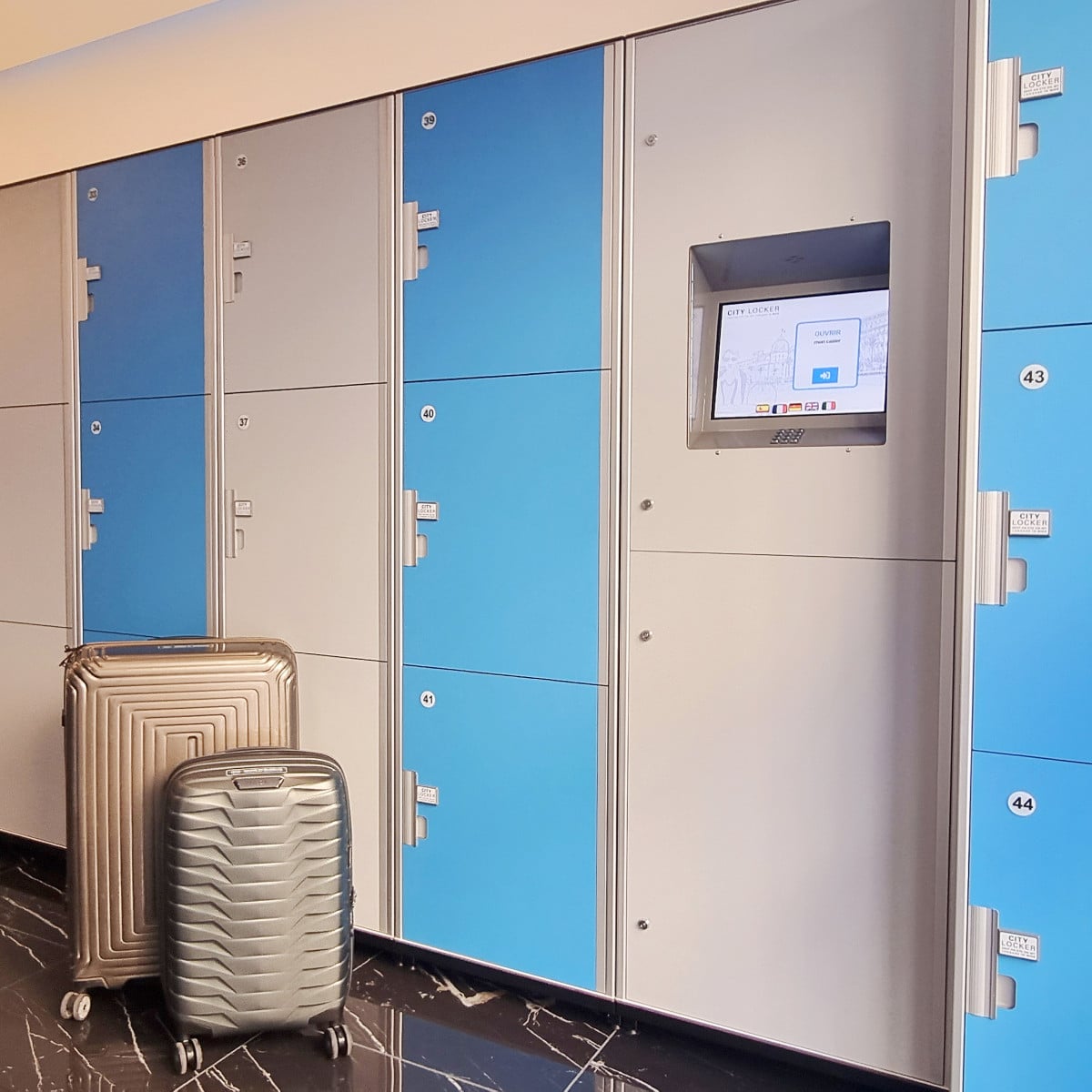
The best approach is to create a flexible sightseeing plan that balances must-see attractions with spontaneous experiences. Whether you are arriving by train, spending a few hours between connections, or exploring before catching a ferry, thoughtful preparation can help you make the most of your time. Arranging luggage storage Naples is also worth considering if you arrive before hotel check-in or need to check out early, allowing you to explore without dragging suitcases through crowded streets.
Here is how to plan a flexible sightseeing day in Naples while keeping your schedule comfortable, practical, and enjoyable.
1. Start by Identifying Your Priorities
Before choosing your route, decide what you most want to experience in Naples. The city offers history, architecture, food, shopping, and waterfront scenery, but seeing everything in one day is rarely realistic.
Instead of building a long list of attractions, select two or three priorities. These might include exploring the historic center, trying authentic Neapolitan pizza, visiting an important church, or enjoying a walk near the sea.
Your priorities should reflect your interests and available time.
For example, travelers who enjoy history may prefer to explore the streets around Spaccanapoli and visit a museum. Food enthusiasts might focus on traditional bakeries, cafés, and pizzerias. Visitors who want a more relaxed day could spend the morning exploring the old town and the afternoon walking along the waterfront.
Write down your essential activities first. Everything else can remain optional.
This simple distinction helps you make decisions throughout the day. If an attraction is unexpectedly crowded or a meal takes longer than planned, you can skip an optional stop without feeling that the entire itinerary has failed.
2. Choose One Main Area to Explore
Naples has several distinct neighborhoods, and moving between them takes time. A flexible itinerary works best when you group nearby attractions instead of traveling across the city repeatedly.
The historic center is an excellent starting point for first-time visitors because it offers narrow streets, historic churches, traditional shops, and plenty of places to eat.
Consider focusing on one of these areas:
The historic center
<AsyncImage query=”Naples Italy historic center Spaccanapoli narrow street traditional buildings pedestrians” aspectRatio=”16:9″ width=”100%” />
The historic center is ideal for travelers who want to experience Naples on foot. You can wander along Spaccanapoli, explore Via dei Tribunali, browse traditional shops, and stop at a café whenever you need a break.
San Gregorio Armeno is another interesting stop, particularly for visitors interested in traditional nativity-scene craftsmanship. Depending on the season and opening hours, nearby churches and cultural attractions may also fit into your route.
The waterfront
<AsyncImage query=”Naples Italy Lungomare waterfront promenade Castel dell’Ovo Mount Vesuvius view” aspectRatio=”16:9″ width=”100%” />
If you prefer open spaces and sea views, consider spending part of your day around the Lungomare waterfront. A walk in this area provides a different perspective on Naples, with views of the Gulf and landmarks such as Castel dell’Ovo.
Check current access arrangements and opening information before planning an interior visit to any attraction.
The shopping streets
<AsyncImage query=”Via Toledo Naples Italy busy pedestrian shopping street historic architecture” aspectRatio=”16:9″ width=”100%” />
Via Toledo offers shops, cafés, and convenient connections to other parts of the city. It can work well for visitors who want to combine casual shopping with sightseeing.
Choose the area that best matches your interests and build your route around it. You can always explore another neighborhood if time and energy permit.
3. Build a Loose Schedule Instead of a Strict Timetable
A flexible sightseeing day still needs structure. The goal is to create a plan that gives you direction without requiring every activity to begin at an exact minute.
Start by dividing your day into broad time blocks: morning, midday, afternoon, and evening. Assign one or two activities to each block, then leave room between them.
For example:
| Time | Flexible plan |
| 9:00 a.m. | Start with coffee and breakfast |
| 9:30 a.m. | Explore the historic center |
| 11:00 a.m. | Visit a landmark or browse local shops |
| 12:30 p.m. | Enjoy a leisurely lunch |
| 2:00 p.m. | Choose another nearby attraction |
| 3:30 p.m. | Take a break or explore spontaneously |
| 4:30 p.m. | Walk toward your next destination or departure point |
This is only an example. Adjust the schedule according to attraction opening hours, the season, your transport arrangements, and your personal pace.
Leave buffer time between activities, especially if you are traveling onward by train or ferry. A flexible itinerary should allow you to shorten or skip a stop without disrupting the rest of your day.
4. Travel Light to Keep Your Options Open
One of the biggest obstacles to spontaneous sightseeing is carrying luggage. A suitcase can make narrow streets, crowded buses, staircases, and busy cafés much harder to navigate.
This issue is particularly common for travelers who arrive in Naples early or have several hours between checking out of their accommodation and leaving the city.
Before planning your route, find out whether your hotel can store your bags. If that is not possible, consider a suitable luggage storage service near your arrival point or the area where you intend to spend most of your day.
When comparing options, check the location, opening hours, booking requirements, collection arrangements, and current prices. If you plan to finish your day at the railway station or ferry terminal, make sure retrieving your belongings will not require an inconvenient detour.
Travelers searching for luggage storage Napoli Centrale may find a station-area option practical when arriving or departing by train. However, if your sightseeing route is concentrated elsewhere, a more convenient location may be worth considering.
Keep essential items such as your passport, phone, payment cards, medication, and travel tickets with you. Once your main bags are taken care of, you will have more freedom to change direction, stop for food, or explore an interesting street without worrying about your luggage.
5. Leave Time for Unexpected Discoveries
Some of the best travel experiences are not on a map. You might discover a small bakery selling fresh pastries, hear music coming from a nearby square, or find a charming street that deserves a closer look.
If your itinerary is packed from morning to evening, you may feel compelled to ignore these opportunities. A flexible plan deliberately leaves space for them.
Try reserving at least one period of the day for unplanned exploration. This could be an hour after lunch or a short window before heading toward the waterfront.
During this time, follow your curiosity while keeping your next important commitment in mind. You might browse a market, stop for espresso, photograph historic buildings, or spend a little longer in a neighborhood you particularly enjoy.
It is also useful to identify optional activities near your main route. That way, if you have extra time, you can choose another nearby stop without needing to reorganize your entire day.
The key is to stay open to new experiences without losing track of essential details such as transport departures and attraction closing times.
6. Plan Meals Around Your Route
Food is an essential part of experiencing Naples, but meals can affect your schedule if you do not account for them.
The city is famous for Neapolitan pizza, as well as pastries such as sfogliatella and other local specialties. You may want to visit a particular restaurant, but traveling far out of your way for lunch can reduce the time available for sightseeing.
Instead, choose food stops that complement your route.
If you are exploring the historic center, look for a pizzeria, bakery, or café nearby. If your day includes a waterfront walk, consider finding a restaurant in that area. This approach lets you experience local food without spending unnecessary time traveling between neighborhoods.
A few practical tips can help:
- Check restaurant opening hours before setting out.
- Make a reservation if you have your heart set on a specific restaurant.
- Allow sufficient time for a sit-down meal.
- Keep an alternative nearby in case your first choice is crowded.
- Consider a quick snack if you have a fixed departure time approaching.
Avoid scheduling lunch too close to a train or ferry departure. Even a short meal can take longer than expected, especially during busy periods.
A relaxed meal should feel like part of your sightseeing experience rather than another appointment to rush through.
7. Use Public Transportation When It Makes Sense
Walking is one of the most rewarding ways to explore central Naples, but it is not always the most practical option for every journey.
The city has metro services, buses, funiculars, trains, and taxis. These can help you reach attractions that are farther apart, although actual journey times depend on service conditions, traffic, and the distance from each stop to your destination.
Before choosing transport, ask yourself whether walking or taking a vehicle will make the day easier.
For nearby attractions, walking may be simpler because you can stop whenever something catches your attention. For longer distances, public transportation can save energy and help you maintain a comfortable pace.
To make your day smoother:
- Check current routes and service updates.
- Confirm ticket requirements before boarding.
- Allow time for waiting and transfers.
- Consider stairs and walking distances when selecting a route.
- Keep a backup option for important journeys.
If your schedule includes a train or ferry, use a more conservative estimate for the final transfer. Traffic, crowds, and finding the correct entrance can all add time.
Do not let a desire to see one more attraction put an important departure at risk.
8. Prepare for Weather Changes
Weather can influence how much you enjoy a day outdoors. Naples can be hot during summer, while rain and changing conditions may make walking less comfortable at other times of the year.
Check the forecast before leaving and choose clothing and activities accordingly.
During warmer weather, carry water, use sun protection, and take breaks in shaded areas. Comfortable walking shoes are important throughout the year because historic streets can be uneven.
If rain is expected, consider alternatives such as museums, churches, galleries, or covered shopping areas. Confirm opening times and any visitor restrictions before relying on a particular attraction as your backup.
You can also rearrange your itinerary according to the conditions. For example, explore outdoor areas when the weather is pleasant and save an indoor visit for a period when rain is more likely.
If your plans include a ferry trip, check the operator’s official updates as sea conditions may affect departures. Keep your schedule flexible enough to accommodate changes without sacrificing your entire visit.
9. Check Opening Hours Before Committing to an Attraction
A flexible itinerary does not mean arriving at places without preparation. Some attractions have restricted opening days, seasonal hours, ticket requirements, or limited entry slots.
Before leaving, verify the opening hours of any place that is especially important to you. This is particularly useful if you want to visit a museum, historic church, underground site, or popular cultural attraction.
You do not need to research every shop or street in advance. Focus on the places that require a ticket or have limited access, then leave the remaining time open for spontaneous activities.
If your preferred attraction is closed or tickets are unavailable, choose an alternative in the same neighborhood. This avoids wasting time traveling across Naples simply to replace one activity.
For busy attractions, consider booking in advance when necessary. However, avoid making every activity dependent on a fixed entry time, especially if you are visiting for only a few hours.
A good balance between preparation and flexibility allows you to see the places that matter most while remaining open to other experiences.
10. Keep Your Transport Plans Accessible
If you are visiting Naples as part of a larger Italian journey, your sightseeing day may need to fit around train or ferry connections.
Keep your tickets, booking confirmations, addresses, and departure details easy to access. Save digital copies on your phone and consider screenshots or offline access in case your internet connection becomes unreliable.
If you are arriving at Napoli Centrale, confirm your onward train’s departure time and allow sufficient time to return to the station. If you are taking a ferry, verify the exact port and terminal rather than relying on a general search for Naples port.
This matters because different ferry services can operate from different areas. Traveling to the wrong terminal could create an unnecessary last-minute problem.
When planning backward from a departure, include time for:
- Walking or traveling to the station or port.
- Collecting any stored luggage.
- Navigating the terminal.
- Following the operator’s recommended boarding arrangements.
If a departure is approaching, prioritize reaching the correct terminal over adding another sightseeing stop.
11. Have a Backup Plan for Delays
Even a well-prepared itinerary can be affected by crowds, transport disruptions, unexpected closures, or a longer-than-expected meal.
Instead of treating every change as a problem, prepare a few alternatives before starting your day.
For example, identify a nearby café where you can take a break, an optional attraction that you can skip, and a simple route back to your accommodation or departure point.
If you have limited time, choose activities that can be shortened easily. A walk through a neighborhood is usually more flexible than an attraction with a timed entry ticket.
If a train delay threatens a ferry connection, contact the relevant operator promptly and check your ticket conditions. Do not assume separate bookings will automatically be changed to accommodate a missed connection.
Keep your schedule adaptable, but protect the activities that matter most. This way, an unexpected change does not have to spoil the rest of your visit.
12. End the Day Without Rushing
The final part of your itinerary deserves as much attention as the beginning. Travelers sometimes underestimate the time needed to collect luggage, return to the station, or reach a ferry terminal.
Before starting your afternoon activities, identify where you need to finish and how long the final journey may take.
If you need to retrieve your bags, check the storage provider’s collection arrangements and leave enough time for the journey afterward. Do not rely on collecting luggage at the last possible moment.
If you have no fixed departure, consider ending your day with a leisurely waterfront walk, a final coffee, or dinner in a neighborhood you enjoyed earlier.
If you do have a connection, keep the last activity close to your route and set a clear time to leave. This gives you a comfortable ending rather than a stressful sprint through the city.
Conclusion
Planning a flexible sightseeing day in Naples is about finding the right balance between preparation and spontaneity. Choose a few priorities, focus on one main neighborhood, allow time for food and unexpected discoveries, and use public transportation when it makes your route more practical.
It is equally important to prepare for the logistics that can limit your freedom. Checking opening hours, confirming train and ferry schedules, and arranging a convenient place for your luggage can help you explore with less stress.
Whether you are spending a full day in Naples or visiting between connections, traveling light makes it easier to adapt your plans as the day unfolds. For visitors who want a convenient way to manage their bags while discovering Italy, Baggageway offers luggage storage options that can help make sightseeing more comfortable and flexible.