






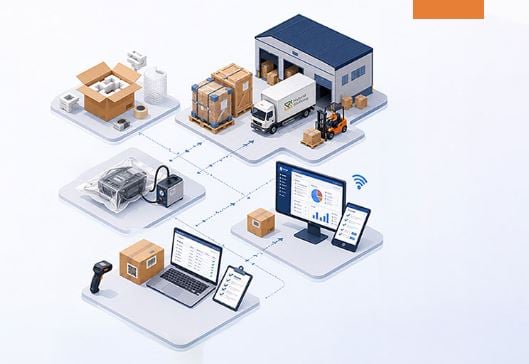
Corporate Services Simplified – Making Business Relocation Smooth, Safe and Stress-Free
Relocating a corporate headquarters is a major business decision. Whether a company is moving to a larger office, a better business location, or a modern workspace, proper planning is essential to ensure a smooth transition. A well-organised move helps reduce downtime, protect valuable assets, and maintain business continuity.
For businesses in India, corporate relocation involves much more than shifting office furniture. It includes moving IT equipment, managing confidential documents, coordinating employees, and setting up essential facilities at the new location.
With professional Corporate Relocation services, businesses can manage the entire process efficiently while allowing their teams to focus on daily operations.
Why Is Efficient Corporate Headquarters Relocation Important?
A corporate headquarters is the centre of business operations, decision-making, and employee coordination. Even a small delay during relocation can affect productivity, customer service, and internal communication.
Hiring experienced corporate moving companies helps businesses plan every stage of the move. From packing and transportation to installation and final setup, professional support makes the relocation process more organised.
An efficient relocation plan also helps control costs, minimise risks, and ensure that employees can resume their work without unnecessary delays.
1. Start Planning the Relocation Early
The first step towards a successful headquarters move is creating a detailed relocation plan. Ideally, businesses should begin planning several weeks or months before the scheduled moving date, depending on the size and complexity of the project.
Prepare a checklist covering the moving schedule, employee responsibilities, office inventory, transportation requirements, and installation timelines.
Assign a dedicated relocation team to coordinate with department heads, facility managers, IT professionals, and the moving partner. Clear communication between all stakeholders helps avoid last-minute confusion.
2. Choose the Right Commercial Relocation Company
Selecting the right Commercial relocation company is one of the most important decisions in the relocation process. Businesses should look for a service provider with experience in handling large offices, corporate equipment, and complex moving requirements.
Before finalising a provider, check its experience, workforce, warehousing facilities, safety procedures, and ability to manage customised relocation projects.
A reliable partner should offer transparent quotations, a clear project timeline, inventory management, and regular progress updates.
Professional Commercial relocation services can help businesses manage packing, loading, transportation, unloading, and office setup through a coordinated approach.
3. Create an Inventory of Office Assets
Before moving, prepare a complete inventory of office assets. This should include desks, chairs, conference room equipment, computers, servers, printers, documents, and other business essentials.
Label each item according to its department, destination floor, or designated room in the new headquarters. This makes tracking easier and helps the relocation team place items correctly.
Businesses should also identify items that can be discarded, recycled, donated, or stored separately. Moving only the necessary assets can reduce transportation costs and save valuable time.
4. Protect IT Equipment and Confidential Documents
IT infrastructure is one of the most sensitive parts of a corporate headquarters relocation. Computers, networking devices, servers, and communication systems must be handled carefully to avoid physical damage or operational disruptions.
Coordinate with the IT team to back up important data, document network connections, and plan equipment shutdowns and reconnections. Sensitive information should be transferred through secure procedures.
Confidential files, contracts, employee records, and financial documents must also be packed and transported with suitable security measures.
A well-planned technology relocation helps employees reconnect to essential systems quickly after the move.
5. Schedule Commercial Moving to Minimise Downtime
Business continuity should remain a priority throughout the relocation process. Whenever possible, schedule Commercial Moving activities during weekends, holidays, or non-business hours.
For larger organisations, a phased relocation can be more practical. Different departments can move on separate dates, allowing critical teams to continue working while other areas are being shifted.
Prepare the new office in advance by arranging internet connectivity, electricity, access control, furniture installation, and essential workstations.
This approach reduces disruption and helps employees settle into their new workplace more comfortably.
6. Manage Employee Communication Effectively
Employees should receive timely updates about the relocation schedule, new office address, parking arrangements, access procedures, and workstation allocation.
Share a relocation guide containing important dates, contact details, transport information, and instructions for packing personal work essentials.
It is also useful to conduct an orientation session at the new headquarters. This helps employees understand the new workspace layout, emergency exits, meeting rooms, and shared facilities.
Clear communication reduces uncertainty and supports a positive employee experience during the transition.
7. Arrange Warehousing and Additional Support
Sometimes, businesses cannot move all their assets directly into the new headquarters. The new office may require renovation, or certain departments may not be ready for immediate occupation.
In such cases, secure warehousing can provide a practical solution. Furniture, equipment, and other approved assets can be stored until the receiving location is ready.
Hybrid Shifting supports corporate service requirements with 1 M+ cu. ft. of warehousing capacity and 1,000+ skilled professionals across operations, technology, and customer-facing functions.
These capabilities can support businesses that need coordinated relocation and additional service assistance.
Frequently Asked Questions (FAQs)
1. How long does it take to relocate a corporate headquarters?
The timeline depends on office size, employee count, IT infrastructure, and distance. Small offices may move within days, while large headquarters can require several weeks or months of planning.
2. How can businesses minimise downtime during corporate relocation?
Businesses can minimise downtime by moving in phases, scheduling transportation outside working hours, preparing IT infrastructure in advance, and ensuring essential services are operational before employees arrive.
3. What should businesses look for in corporate moving companies?
Businesses should evaluate industry experience, trained staff, asset protection procedures, warehousing facilities, transparent pricing, project management capabilities, and the ability to handle specialised office equipment securely.
4. Why hire a commercial relocation company instead of managing the move internally?
A professional commercial relocation company coordinates packing, transportation, inventory tracking, and delivery. This reduces the administrative burden on employees and helps businesses manage complex relocation activities more efficiently.
5. Are warehousing services useful during corporate headquarters relocation?
Yes, warehousing is useful when the new office is not ready or assets need temporary storage. Secure storage helps businesses organise deliveries according to their relocation schedule.
8. Conduct a Final Inspection After the Move
Once the relocation is complete, inspect the new headquarters to ensure that all assets have arrived safely and are placed correctly.
Check workstations, meeting rooms, IT systems, access controls, electrical connections, and essential facilities. Compare the delivered inventory with the original checklist to identify missing or damaged items.
Collect feedback from department heads and employees to identify any unresolved issues. Addressing these concerns quickly helps the organisation resume normal operations smoothly.
Relocating a corporate headquarters requires careful planning, efficient coordination, and reliable execution. From selecting the right Corporate Relocation services provider to protecting IT infrastructure and managing employee communication, every step plays an important role in achieving a successful move.
Partnering with an experienced commercial relocation company can help businesses reduce operational disruptions, manage assets responsibly, and establish their new headquarters with greater confidence.
Hybrid Shifting – Corporate Services Simplified supports businesses with corporate relocation solutions, value-added services, substantial warehousing capacity, and skilled professionals across operations, technology, and customer-facing functions.
With the right relocation strategy and professional support, businesses can move forward into their new headquarters while keeping productivity and business continuity at the centre of every decision.