




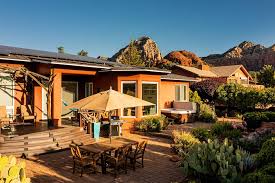
 A new home offers a fresh beginning, and the outdoor space surrounding it deserves the same attention as the interior. While homeowners often focus on flooring, furniture, paint colors, and kitchen finishes, the backyard is equally important for creating a comfortable and inviting property. With thoughtful planning, an empty yard can become a practical extension of the home where families relax, entertain guests, and enjoy time outdoors.
Red Rock Outdoor Living understands the value of designing outdoor environments that complement a home’s architecture and the homeowner’s lifestyle. Quality backyard installation for new homes involves more than planting grass or placing a few shrubs. It requires a coordinated approach to landscaping, drainage, outdoor living features, walkways, and the overall arrangement of the available space.
A well-designed backyard can make a new property feel more established, attractive, and functional. By considering how the space will be used throughout the year, homeowners can make informed decisions that support their needs today while allowing room for future improvements.
Why Backyard Planning Matters for New Homes
When a newly constructed home is completed, its outdoor area may still consist of bare soil, unfinished grading, or a simple lawn. Although the building itself is ready for occupancy, the surrounding landscape often needs additional work before it feels complete. Planning these improvements early helps homeowners develop a clear vision and avoid unnecessary changes later.
Red Rock Outdoor Living can help homeowners approach their outdoor projects with a focus on functionality, visual appeal, and long-term usability. The goal is to create a setting that connects the house with its surroundings instead of treating the backyard as an isolated section of the property.
Another important consideration is how the outdoor area will support everyday routines. Some families need open space for children and pets, while others prefer a peaceful garden, a patio for weekend gatherings, or a comfortable place to enjoy morning coffee. Identifying these priorities makes it easier to choose features that deliver genuine value rather than adding elements that may rarely be used.
Backyard Installation for New Homes Starts With a Clear Design
Successful backyard installation for new homes begins with understanding the property before selecting plants, materials, or decorative features. The shape of the yard, soil conditions, sunlight exposure, existing structures, and drainage patterns can all influence the final design. A careful assessment helps establish a practical layout that works with the natural characteristics of the site.
Red Rock Outdoor Living can guide homeowners through the process of considering different outdoor features and arranging them in a way that feels balanced. For example, a patio may work best near the back entrance, while garden beds can define the edges of the yard. Open lawn areas can provide flexibility, and carefully positioned pathways can connect different sections without making the space feel crowded.
A strong design also considers how the landscape will look as it matures. Small plants may eventually grow into larger shrubs, and young trees will need enough room to develop. Allowing for this growth helps maintain the intended appearance without creating unnecessary maintenance challenges. When every element has a clear purpose, the backyard becomes easier to use and more enjoyable over time.
Creating Comfortable Outdoor Living Areas
An outdoor living area can transform a simple backyard into a natural gathering place. A patio, seating area, or shaded corner provides a comfortable setting for meals, conversations, and quiet evenings outside. These features can also help homeowners make better use of their property’s available space instead of leaving large sections unfinished.
The right layout depends on the home’s design and the household’s habits. A family that enjoys entertaining may benefit from a spacious patio with room for dining furniture, while homeowners who prefer a quieter atmosphere might choose a smaller seating area surrounded by greenery. Keeping entrances and walking routes clear allows people to move comfortably between the house and the garden.
Material selection is another important part of creating a welcoming environment. Pavers, natural stone, concrete, and other outdoor surfaces each offer different appearances and maintenance requirements. Homeowners should consider durability, drainage, local weather conditions, and how the material complements the exterior of the property. A coordinated combination of surfaces, plants, and furnishings can create a polished look without making the design unnecessarily complicated.
Choosing Landscaping That Complements the Property
Plants and greenery give a new backyard character, softness, and a sense of connection with nature. The right combination of trees, shrubs, flowering plants, and ground cover can create visual interest while helping define different areas of the landscape. Instead of filling every available corner, homeowners can use carefully selected planting arrangements to maintain an attractive balance between greenery and open space.
Red Rock Outdoor Living can help homeowners consider landscaping choices that suit their preferred appearance and the property’s conditions. Sun exposure, soil quality, water availability, and seasonal changes all influence which plants are suitable. Selecting varieties that are well adapted to the local climate can make the landscape easier to maintain and reduce the likelihood of replacing plants that struggle to thrive.
Plant placement also affects privacy and comfort. Trees or taller shrubs may help create separation from neighboring properties, while lower plants can soften the appearance of fences and pathways. Flowering varieties can introduce seasonal color, and evergreen plants can provide structure throughout the year. With a thoughtful arrangement, even a relatively simple garden can feel welcoming without requiring an excessive amount of upkeep.
Why Drainage and Ground Preparation Should Come First
Before installing a lawn, patio, or garden beds, it is important to understand how water moves across the property. New construction can leave disturbed soil, uneven surfaces, and grading issues that affect the way rainwater drains. If these conditions are overlooked, water may collect near the house, create muddy sections, or interfere with the performance of newly installed landscaping.
Red Rock Outdoor Living can help homeowners recognize the importance of proper preparation when planning their outdoor improvements. Depending on the site, work may involve grading adjustments, soil preparation, drainage solutions, or correcting uneven areas. Any changes should account for the home’s foundation, existing drainage systems, property boundaries, and applicable local requirements.
Taking care of these practical details before adding decorative features can prevent avoidable complications. For instance, a beautifully finished patio will not provide lasting satisfaction if water regularly pools around it. Similarly, grass and garden plants may struggle when the soil has poor drainage or inadequate preparation. Addressing the underlying conditions first creates a more reliable foundation for the finished landscape and helps protect the investment made in other improvements.
Backyard Installation for New Homes With Practical Features
A backyard should look appealing, but it should also support the activities that matter most to the household. This is why backyard installation for new homes should include practical features that make the outdoor environment easier to navigate and more enjoyable to use. Walkways, seating areas, garden borders, and well-planned lighting can improve convenience while giving the landscape a more organized appearance.
Red Rock Outdoor Living can help homeowners explore options that suit their available space and intended budget. Some properties may benefit from a paver patio and a defined garden area, while others have enough room for multiple outdoor zones. The important consideration is ensuring that each feature works with the others instead of competing for attention or restricting movement.
Homeowners can consider several useful additions when planning their outdoor space:
-
Defined pathways: Connect entrances, patios, and garden areas while providing convenient routes across the property.
-
Outdoor lighting: Improve visibility after sunset and create a comfortable atmosphere for evening activities.
-
Planting beds: Introduce color, texture, and natural boundaries without overwhelming the lawn.
-
Comfortable seating: Establish a dedicated place for relaxing, reading, or spending time with family.
-
Shade features: Trees, pergolas, or suitable shade structures can make selected areas more comfortable during sunny weather.
The best combination depends on the property’s size, the homeowners’ preferences, and the way the backyard will be used. Prioritizing useful features can help prevent overspending on additions that do not meaningfully improve the experience.
Selecting Materials for Durability and Easy Maintenance
Outdoor materials should be chosen with both appearance and performance in mind. Patios, retaining walls, walkways, and other hardscape features are exposed to changing weather and regular use, so their durability matters. Choosing suitable products and ensuring they are installed correctly can help maintain the landscape’s appearance while reducing the need for frequent repairs.
Red Rock Outdoor Living can help homeowners evaluate how different materials fit the design of their property. Natural stone can provide an organic appearance, while pavers offer flexibility in patterns and layouts. Concrete may suit homeowners looking for a clean, simple finish. The final selection should reflect the home’s exterior, expected foot traffic, maintenance preferences, and the conditions of the installation site.
Maintenance planning is equally valuable. Some homeowners enjoy caring for flower beds and pruning shrubs, while others prefer a low-maintenance setting with fewer plants and straightforward surfaces. Discussing these preferences before installation helps establish realistic expectations and makes it easier to select features that remain manageable after the project is complete.
Planning a Backyard Project Around Your Budget
A clear budget helps homeowners determine which improvements should be completed first and which can be introduced later. Costs can vary according to the property’s size, site preparation requirements, material choices, planting needs, and complexity of the design. Establishing priorities early allows homeowners to focus their spending on improvements that offer the greatest practical benefit.
For many new properties, completing essential grading and drainage work before installing a patio or garden is a sensible approach. Homeowners can then consider additional features as their budget allows. Requesting a detailed project estimate and understanding the proposed scope of work can also make it easier to compare options and plan the installation process with confidence.
Conclusion
A thoughtfully finished backyard can make a new house feel more complete while creating additional opportunities for relaxation, entertainment, and everyday enjoyment. From careful site preparation and suitable landscaping to attractive patios and functional walkways, each decision contributes to the overall quality of the outdoor environment.
Red Rock Outdoor Living can help homeowners explore ideas that match their property’s layout, personal preferences, and practical needs. With a clear plan and attention to essential details, backyard installation for new homes can turn an unfinished outdoor area into a welcoming extension of the home. Investing in a balanced design from the beginning helps create a space that looks appealing, serves its purpose, and remains enjoyable for years to come.