




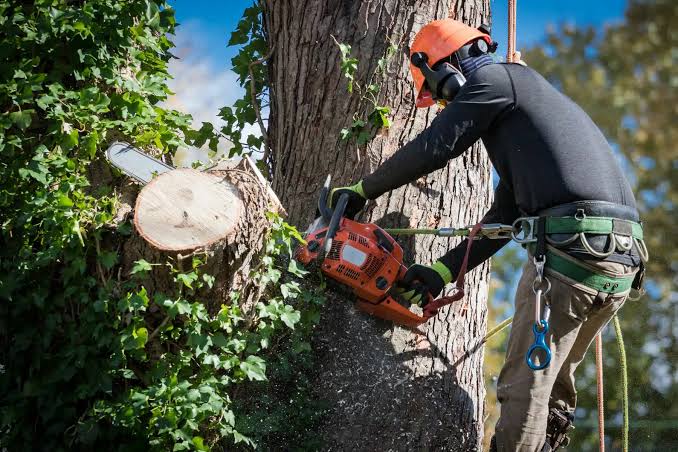
Trees are an important part of attractive and functional outdoor spaces. They provide shade, improve the appearance of a property, and create a natural setting around homes and commercial buildings. However, trees change as they grow, and their branches, trunks, and canopies may need attention over time. Without appropriate care, overgrowth, damaged limbs, and declining tree conditions can become difficult to manage.
Professional tree maintenance services help property owners keep their landscapes organized and address common tree-related concerns. Depending on the condition of the trees, maintenance may involve pruning, removing damaged branches, assessing declining trees, clearing storm debris, or managing stumps after removal. Trees by Forrest provides tree care solutions that help homeowners and businesses maintain their outdoor spaces according to their property’s needs.
Why Regular Tree Maintenance Is Important
Trees need attention throughout their lives, although the type and frequency of maintenance vary. Young trees may require occasional structural pruning, while mature trees can benefit from periodic evaluations for deadwood, damaged branches, and changes in growth. Weather conditions and the surrounding environment can also influence the type of care required.
Regular maintenance helps property owners identify concerns before they become more complicated. Overgrown branches may interfere with roofs, fences, driveways, and walkways, while damaged limbs can affect the appearance of the landscape. Addressing these issues at suitable times helps keep outdoor spaces manageable and makes it easier to plan future work.
Assessing Tree Conditions and Maintenance Needs
Every tree has different characteristics based on its species, age, size, and growing environment. Some trees develop dense canopies that require occasional attention, while others may experience visible decline or damage as they age. Trees growing close to buildings and other structures may also need additional monitoring because their available growing space is limited.
A professional assessment can help determine which maintenance tasks are appropriate. Some trees may need selective pruning, while others may require monitoring or a more detailed evaluation. Understanding the condition of individual trees allows property owners to prioritize work based on actual needs instead of applying the same approach to every part of the landscape.
Professional Tree Pruning and Canopy Care
Pruning is one of the most common parts of ongoing tree maintenance. It involves selectively removing branches that are dead, damaged, crowded, or growing in an unsuitable direction. Appropriate pruning can help manage the canopy and maintain clearance around buildings, fences, and outdoor living areas.
The amount of pruning required depends on the tree’s condition and growth pattern. Removing too many branches can place unnecessary stress on a tree, so maintenance should be planned carefully. Professional tree maintenance services can help property owners identify which branches need attention while preserving the tree’s natural structure whenever practical.
Managing Overgrown and Damaged Branches
Branches may gradually extend over roofs, driveways, patios, and garden areas as trees mature. Some limbs become crowded within the canopy, while others may weaken because of storm damage, aging, or physical injury. These conditions can make routine property maintenance more difficult and may require professional evaluation.
Property owners should arrange an assessment when large branches appear cracked, dead, or unstable. A professional can determine whether selective pruning is appropriate or whether the tree has more extensive structural concerns. Avoid attempting to cut large branches near buildings or power lines without suitable training and equipment.
Seasonal Tree Maintenance Services
Seasonal changes affect tree growth and maintenance requirements. Spring and summer often bring new growth, while autumn can make damaged branches and crowded canopies easier to identify. Winter weather may place additional pressure on branches through snow, ice, and strong winds, depending on the local climate.
A seasonal maintenance schedule helps property owners keep track of changing tree conditions. The appropriate timing for pruning and other work depends on the tree species, its health, and the type of maintenance required. Checking trees after severe weather can also help identify visible damage that deserves further attention.
Storm Damage Cleanup and Tree Care
Storms can leave branches scattered across lawns, driveways, and landscaped areas. Strong winds may break limbs, while heavy snow or ice can damage branches and affect the tree’s structure. In more serious situations, a tree may split or fall onto a fence, roof, or other property feature.
Storm damage cleanup helps restore access and remove debris after severe weather. A professional assessment can also identify trees that may have suffered damage beyond what is immediately visible. Property owners should keep away from unstable trees and branches touching electrical lines, contacting the appropriate utility provider when power-line hazards are present.
Tree Removal as Part of Ongoing Maintenance
Some trees cannot be maintained effectively through pruning alone. Extensive damage, severe decline, or structural problems may make removal the most appropriate option. Trees may also need to be removed when they interfere with construction or are no longer suitable for their location.
Before removal begins, the tree and surrounding property should be evaluated. Nearby structures, gardens, fences, driveways, and utility lines can affect how the project should be organized. Including removal in a broader maintenance plan helps property owners address individual concerns while considering the overall condition of the landscape.
Common Tasks Included in a Tree Maintenance Plan
A tree maintenance plan should reflect the condition of the property rather than follow a fixed list of tasks for every tree. Some landscapes require only occasional pruning, while others may need storm cleanup, stump care, or assessments of mature trees. Identifying priorities can help property owners organize work more effectively.
Common maintenance tasks may include:
- Removing selected dead, damaged, or overgrown branches
- Assessing trees with visible signs of decline or structural damage
- Clearing fallen limbs and storm-related debris
- Arranging tree removal when maintenance is no longer sufficient
- Grinding stumps left after tree removal
- Monitoring trees near buildings, driveways, fences, and walkways
The right combination depends on the property’s layout, tree condition, and maintenance goals. A professional evaluation can help establish which tasks deserve attention first and which trees may simply need continued observation.
Tree Stump Grinding and Outdoor Space Management
After a tree has been removed, the remaining stump may interfere with lawn care and landscaping. It can occupy space needed for planting, make mowing more difficult, or affect the appearance of the yard. Addressing the stump can help property owners prepare the area for its next use.
Tree stump grinding reduces the visible stump and can make the surrounding area easier to manage. Depending on the project, the space may later be prepared for grass, mulch, flowers, or other landscaping features. Including stump care in the maintenance plan helps property owners consider the full area affected by tree removal.
Maintaining Trees Near Homes and Commercial Buildings
Trees growing close to structures require appropriate attention as their canopies expand. Branches may approach roofs, gutters, windows, fences, and outdoor seating areas. On commercial properties, trees near parking areas, entrances, signs, and sidewalks may also need maintenance to preserve clear access.
Regular observation helps property owners recognize when pruning or further evaluation may be appropriate. The goal is to manage growth according to the tree’s condition and the surrounding space without unnecessary cutting. Where significant damage or stability concerns are present, professional guidance can help determine the most suitable action.
Choosing Trees by Forrest for Tree Maintenance
Selecting a tree care provider involves considering experience, communication, planning, and attention to the surrounding landscape. Property owners should understand why a particular service is recommended and what the proposed work involves. Clear communication can help set expectations about access, the work area, and cleanup.
Trees by Forrest provides tree care solutions for property owners who need assistance with pruning, tree removal, stump grinding, and storm-related cleanup. Each property has different maintenance requirements, so services should be selected according to the tree’s condition and the owner’s priorities. A practical approach helps keep projects organized and supports ongoing property care.
Creating a Long-Term Tree Maintenance Schedule
Tree maintenance is an ongoing responsibility because trees continue to grow and respond to environmental changes. Periodic checks can help identify deadwood, excessive growth, damaged branches, and other visible concerns. Keeping track of these changes makes it easier to plan maintenance before a problem becomes more difficult to address.
A long-term schedule may include seasonal observations, selective pruning, storm inspections, and stump management after removal. Recording completed work can also help property owners organize future projects and monitor recurring concerns. Consistent attention provides a practical way to manage trees while maintaining a cleaner and more functional landscape.
Conclusion
Tree maintenance helps property owners manage growth, respond to weather-related damage, and maintain attractive outdoor spaces. Regular observation, appropriate pruning, storm cleanup, and professional assessments can help identify concerns and determine which services are needed. A plan based on the actual condition of the trees is more useful than applying the same maintenance routine to every property.
Trees by Forrest offers tree maintenance services for property owners who want to manage pruning, removal, stump care, and other common tree-related needs. By arranging suitable care and monitoring changes over time, homeowners and businesses can keep their landscapes organized and make informed decisions about their trees.