






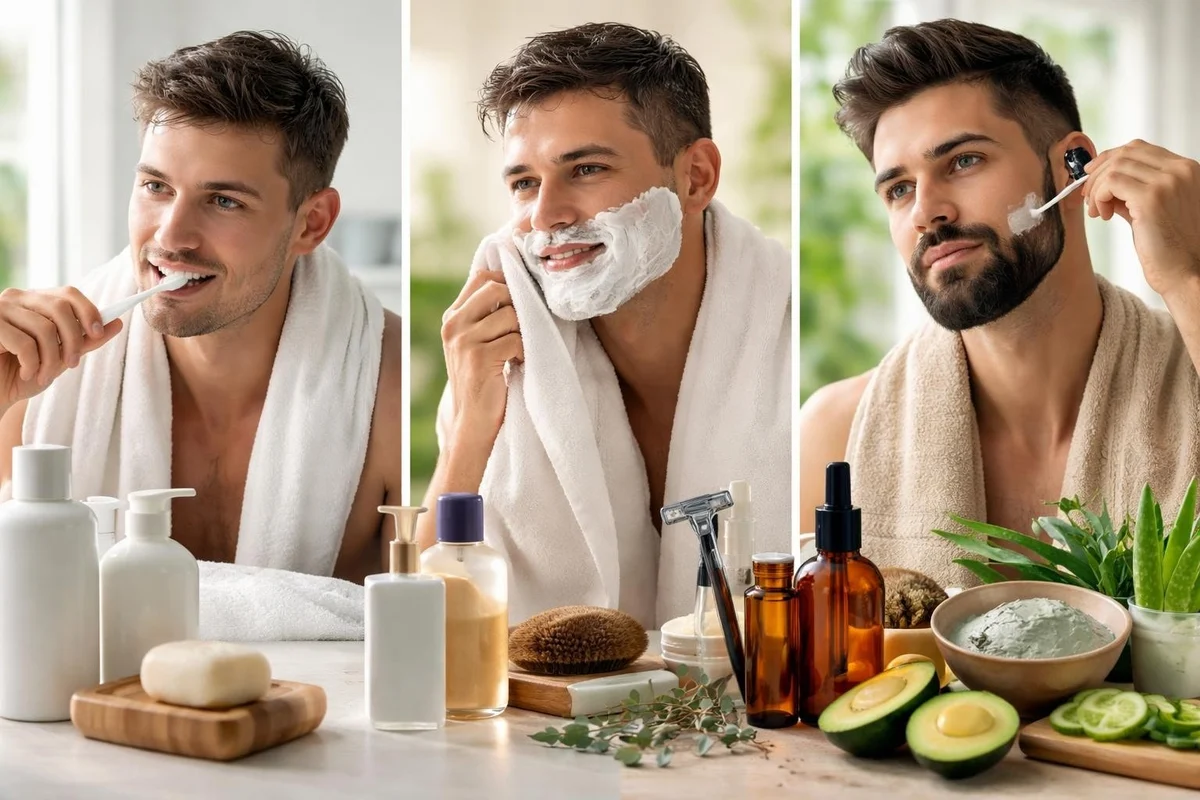
The modern personal care and fashion ecosystem represents a dynamic intersection of personal aesthetic expression, advanced grooming technology, and holistic wellness practices. Navigating modern style and self-care demands an integrated approach that connects personal grooming routines, wardrobe styling, skincare science, and wellness habits. As personal care technologies advance and consumer preferences shift toward sustainable and personalized regimens, individuals must adopt informed strategies to maintain their aesthetic presentation. Establishing structured grooming protocols alongside curated wardrobe selections ensures individuals present an authentic, polished appearance across both professional and personal environments.
Sustaining a refined personal image requires moving beyond superficial trends toward foundational personal care and styling principles. Without a consistent grooming routine, proper skincare maintenance, and intentional wardrobe curation, individuals risk encountering grooming fatigue, skin irritation, and sartorial inconsistency. Furthermore, as digital media continues to influence global beauty standards and personal styling, understanding product formulations, grooming tool specifications, and trend cycles becomes essential. Balancing technical grooming performance with individual aesthetic preferences empowers individuals to project confidence and maintain optimal personal hygiene.
1. Precision Men’s Grooming, Electric Shavers, and Facial Hair Maintenance
Modern men’s grooming has evolved into a sophisticated discipline centered on precision engineering, skin health, and tailored facial hair styling. Achieving a clean shave or maintaining a well-groomed beard requires selecting the right grooming apparatus based on skin sensitivity, facial contours, and hair density. Electric shavers—categorized primarily into rotary and foil mechanisms—offer convenient, close-shaving solutions while minimizing skin irritation, razor burn, and ingrown hairs compared to traditional manual blades.
Selecting an ideal electric shaver involves evaluating motor speed, blade sharpness, foil ergonomics, battery longevity, and wet/dry operational capabilities. Implementing proper pre-shave preparation—such as cleansing with warm water and applying protective shaving oils—softens facial hair and reduces friction. Grooming enthusiasts, men’s style consultants, and individuals seeking detailed shaver comparisons, razor reviews, and facial hair care guides can explore dedicated grooming portals like 10 Shavers to refine their personal grooming setups.
Core considerations for selecting advanced men’s grooming tools include:
- Rotary vs. Foil Shaving Technology: Foil shavers provide exceptional precision for fine hair and sensitive skin, while rotary shavers excel at navigating complex facial contours and multi-directional hair growth.
- Wet/Dry Operational Flexibility: Utilizing shavers capable of wet operation allows the integration of shaving gels or use in the shower to reduce skin friction.
- Ergonomic Blade Mechanics: Flexible, multi-pivoting shaving heads adjust automatically to jawlines and neck areas, preventing uneven pressure and razor burn.
- Routine Cleaning and Blade Maintenance: Automated cleaning stations and routine lubrication prolong blade sharpness and maintain hygienic operation.
2. Pop Culture Style Dynamics, Celebrity Fashion Trends, and Identity Expression
Pop culture, media figures, and red-carpet events serve as primary catalysts for global fashion trends and streetwear movements. Celebrity style dynamics influence commercial apparel design, color palette selections, and seasonal wardrobe collections worldwide. Analyzing high-profile style transformations and red-carpet aesthetics offers valuable insights into emerging fashion movements, enabling individuals to incorporate trend elements selectively into their personal wardrobes without sacrificing individual style authenticity.
Translating runway and celebrity aesthetics into daily personal fashion involves understanding garment fit, fabric texture layering, and proportion balancing. Fashion enthusiasts, wardrobe stylists, and pop culture observers following celebrity style trends, entertainment fashion analysis, and lifestyle commentary can consult specialized media outlets like Celebrity Curry to stay informed on modern cultural style developments.
Key Pillars of Wardrobe Styling and Trend Adaptation
Building a versatile and stylish wardrobe requires mastering several foundational styling concepts:
- Proportion and Silhouette Alignment: Balancing fitted garment pieces with relaxed silhouettes to create visually harmonious, flattering outfits.
- Capsule Wardrobe Foundation: Investing in high-quality foundational basics—such as tailored blazers, classic denim, and neutral footwear—that pair effortlessly with statement pieces.
- Color Palette Coordination: Selecting complementary color schemes that enhance natural skin undertones and suit specific social or professional settings.
3. Skincare Science, Cosmetic Dermatology, and Holistic Beauty Regimens
Achieving healthy, radiant skin relies on understanding skin physiology, active ingredient interactions, and consistent daily skincare protocols. A science-backed skincare routine focuses on three primary objectives: cleansing to remove impurities, hydrating to reinforce the skin barrier, and protecting against environmental UV damage. Incorporating specialized active ingredients—such as retinoids, vitamin C, hyaluronic acid, and niacinamide—addresses specific skin concerns including hyperpigmentation, fine lines, and acne.
Navigating the vast cosmetics market demands evaluating product formulations based on skin type—whether dry, oily, combination, or sensitive. Skincare enthusiasts, beauty advisors, and individuals seeking practical beauty tutorials, product reviews, and holistic skincare recommendations can research dedicated beauty platforms like Luvly Beauty to elevate their daily beauty regimens.
4. Haircare Architecture, Scalp Health, and Styling Products
Healthy, vibrant hair begins with proper scalp care and tailored hair maintenance routines. The scalp functions as an extension of facial skin, requiring routine exfoliation, balanced hydration, and gentle cleansing to remove sebum buildup and product residue. Selecting sulfate-free shampoos and nourishing conditioners maintains natural scalp lipid balances and prevents hair strand breakage.
Utilizing heat protectant serums prior to thermal styling prevents keratin degradation and moisture loss. Choosing styling products—such as lightweight clays, volumizing mousses, or nourishing hair oils—based on natural hair texture enhances natural wave patterns and maintains structural hold without causing heavy product accumulation.
5. Sustainable Fashion, Ethical Apparel, and Garment Care
The modern fashion landscape is undergoing a necessary shift toward sustainability, circular textiles, and ethical manufacturing practices. Sustainable fashion emphasizes investing in durable, high-quality garments made from eco-friendly materials—such as organic cotton, linen, recycled synthetics, and ethically sourced wool. Adopting slow fashion principles reduces textile waste and environmental footprints.
Extending garment lifespan relies on proper care and maintenance protocols. Washing clothes at lower temperatures, air-drying delicate fabrics, storing garments on structured hangers, and executing minor repairs preserves fabric integrity and aesthetic appearance over time.
6. Cosmetic Formulations, Ingredient Safety, and Skin Barrier Protection
Understanding cosmetic ingredient labeling empowers consumers to select safe, effective beauty products tailored to their skin requirements. Avoiding harsh alcohols, synthetic fragrances, and pore-clogging comedogenic oils protects sensitive skin from contact dermatitis and barrier damage. Rebuilding a compromised skin barrier involves applying barrier creams enriched with ceramides, fatty acids, and cholesterol.
Patch-testing new skincare products on a small skin area before full application minimizes adverse allergic reactions. Sunscreen application remains the single most critical anti-aging skincare step, requiring broad-spectrum SPF coverage daily to shield skin cells from damaging UVA and UVB radiation.
7. Body Positivity, Fit Tailoring, and Personal Confidence
True style and beauty are rooted in self-acceptance, authentic personal expression, and garments tailored to fit one’s unique body structure. Off-the-rack clothing rarely fits perfectly across all body proportions; partnering with a skilled tailor to adjust sleeve lengths, waistlines, and hem drops transforms average garments into custom-fitting wardrobe pieces that enhance natural proportions.
Wearing clothing that fits properly elevates physical comfort and projects natural confidence. Embracing personal aesthetic preferences over rigid, fleeting trend cycles allows individuals to curate a signature style that feels comfortable and authentically represents their personality.
8. Seasonal Style Transitions and Seasonal Skincare Modifications
Adapting grooming, fashion, and skincare protocols to changing environmental seasons is vital for maintaining personal comfort and skin health. Winter weather demands richer, occlusive moisturizers to combat cold dry air, alongside layered wool and cashmere outerwear. Conversely, summer conditions require lightweight, non-comedogenic sunscreens, hydrating serums, and breathable linen or cotton garments.
Executing smooth seasonal wardrobe transitions involves storing off-season apparel in breathable garment bags, conditioning leather goods, and updating daily skincare formulas to match ambient humidity levels.
9. Digital Beauty Technology, Virtual Try-Ons, and Personalization
The beauty and fashion industries are increasingly utilizing artificial intelligence, augmented reality (AR), and digital diagnostic tools to offer personalized product recommendations. Virtual try-on applications allow consumers to preview cosmetics, hair colors, and apparel fits remotely before making purchasing decisions. AI-driven skin diagnostic tools analyze smartphone imagery to recommend customized serum formulations.
Leveraging digital beauty tools streamlines product selection, minimizes return waste, and helps individuals build highly personalized grooming and beauty collections tailored precisely to their needs.
10. Strategic Personal Care and Style Review Checklist
Maintaining a refined, healthy, and stylish personal appearance requires regular evaluations across all personal care routines. Individuals should periodically review their grooming and styling practices using the following framework:
- Grooming Tool Audit: Inspect shaver blades, clean electric grooming apparatuses, and replace worn razor components.
- Wardrobe & Style Review: Assess garment fits, organize seasonal attire, and curate capsule wardrobe foundational pieces.
- Skincare & Beauty Check: Evaluate product expiration dates, audit active ingredient compatibility, and adjust formulas for ambient weather.
- Haircare & Scalp Inspection: Review scalp health, update shampoo formulations, and verify heat protectant usage prior to styling.
By systematically combining precision grooming tools, intentional wardrobe styling, science-backed skincare regimens, and holistic wellness practices, individuals can cultivate an authentic, polished aesthetic presentation that projects lasting confidence.