






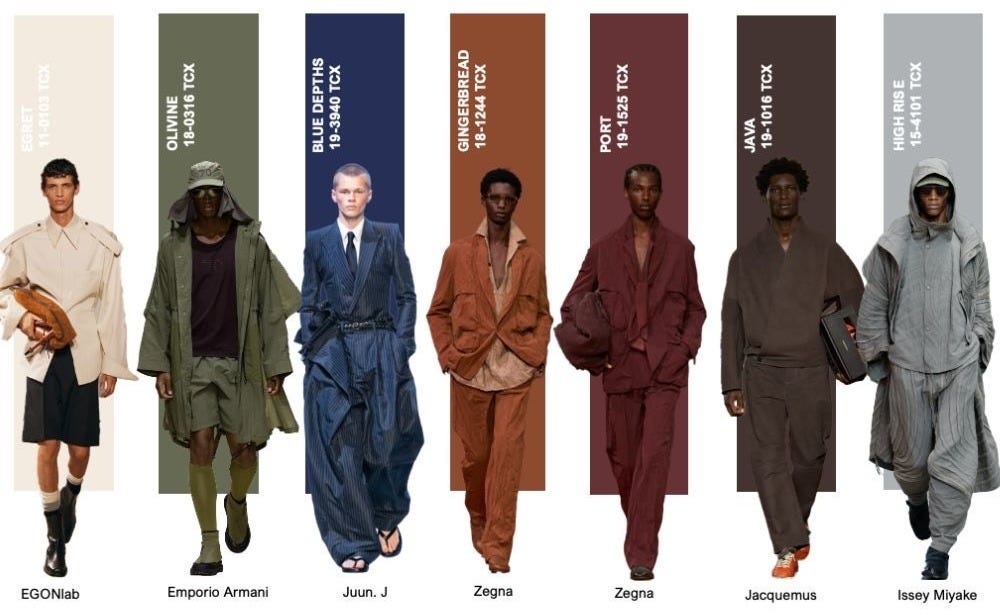
The modern apparel and fashion landscape represents an evolving interplay between creative expression, technical garment construction, and dynamic seasonal market trends. Navigating contemporary style demands an integrated approach that connects textile selection, silhouette balance, wardrobe planning, and personal aesthetic identity. As consumer preferences shift toward sustainable fabrics, adaptive tailoring, and versatile capsule wardrobing, individuals and fashion industry professionals must stay informed to make strategic sartorial choices. Establishing structured styling principles alongside an understanding of apparel manufacturing ensures a polished, authentic presentation across formal, professional, and casual settings.
Sustaining a refined personal aesthetic requires looking beyond short-term micro-trends toward foundational garment design and styling concepts. Without an understanding of fabric drape, proportion balancing, and occasion-appropriate dress codes, individuals risk sartorial inconsistency and inefficient wardrobe investments. Furthermore, as digital media accelerates global trend cycles and high-fashion aesthetics permeate daily streetwear, mastering garment fit, seasonal color theory, and textile care becomes essential. Balancing technical garment evaluation with individual styling preferences empowers individuals to build timeless, functional wardrobes.
1. Formal Dress Architecture, Silhouette Design, and Eveningwear Elegance
Dresses represent a central pillar of womenswear and haute couture, offering diverse silhouettes tailored to accentuate body proportions and suit specific social occasions. From classic A-line cuts and structured sheath dresses to dramatic mermaid gowns and flowing maxi styles, the architecture of a dress relies heavily on precision tailoring, strategic darting, and fabric selection. Choosing the right dress involves evaluating necklines, waist placements, and textile weight to achieve a balanced, comfortable fit.
Navigating eveningwear and formal dress selection demands an appreciation for fine craftsmanship, delicate fabrications—such as silk, chiffon, lace, and velvet—and intricate embellishment techniques. Fashion enthusiasts, bridal consultants, and individuals seeking curated dress collections, formal wear styling guides, and garment design insights can explore dedicated fashion platforms like Dresses Enter to elevate their formal wardrobe choices.
Core elements of formal dress design and selection include:
- Silhouette Alignment: Selecting dress cuts—such as fit-and-flare, empire waist, or bodycon—that flatter natural body proportions and enhance comfort.
- Textile Drape and Movement: Choosing fabrics like silk crepe or organza based on desired structure, flow, and seasonal suitability.
- Neckline and Bodice Structuring: Balancing structural support through internal boning or delicate tailoring with aesthetic neckline choices like sweetheart, V-neck, or off-the-shoulder styles.
- Occasion-Specific Styling: Coordinating formal dresses with appropriate footwear, outerwear, and statement jewelry to match formal dress codes seamlessly.
2. High-Fashion Evolution, Digital Style Platforms, and Avant-Garde Trends
The global fashion ecosystem is continually transformed by runway showcases, luxury design houses, and digital trend networks. Avant-garde runway designs set the stage for commercial sartorial trends, influencing color palettes, fabric textures, and garment shapes season after season. Digital style hubs and fashion portals serve as key bridges between international couture houses and everyday consumer styling, making runway concepts accessible to global audiences.
Understanding high-fashion evolution involves analyzing creative director transitions, historical fashion revivals, and innovative textile integrations. Stylists, fashion buyers, and trend observers tracking luxury apparel movements, digital fashion commentary, and global industry updates can consult specialized fashion portals like Fashion Sky for broad-spectrum industry analysis.
Key Pillars of Modern Runway-to-Retail Translation
Translating high-fashion concepts into everyday personal style requires understanding several foundational design principles:
- Statement Accent Integration: Incorporating bold runway elements—such as oversized sleeves, asymmetrical hems, or metallic finishes—into neutral daily outfits.
- Color Trend Adaptation: Adopting seasonal runway color palettes through accessories, outerwear, or footwear without altering foundational wardrobe pieces.
- Textile Layering Techniques: Combining contrasting fabric textures, such as heavy knits with fluid silk skirts, to add visual depth to daily ensembles.
3. Seasonal Trend Forecasting, Textile Innovations, and Wardrobe Planning
Predicting and adapting to upcoming fashion trends involves analyzing cultural shifts, street style photography, and material innovations. Seasonal fashion forecasts provide structured guidance on emerging garment cuts, dominant color schemes, and functional textile developments. Incorporating trend forecasting into personal wardrobe planning enables individuals to update their wardrobe thoughtfully with versatile pieces that extend beyond a single season.
Modern fashion forecasting increasingly highlights sustainable textile alternatives, such as organic linens, recycled polymers, and lab-grown bio-materials. Fashion designers, apparel buyers, and style-conscious consumers seeking real-time fashion trend reports, seasonal style guides, and forecasting analysis can research specialized media portals like Fashion Trends Latest to stay ahead of upcoming seasonal movements.
4. Sustainable Fashion, Circular Textiles, and Ethical Manufacturing
The fashion industry is undergoing a structural shift toward sustainability, circular economy principles, and ethical manufacturing standards. Fast fashion models are increasingly questioned in favor of slow fashion approaches that prioritize garment longevity, fair labor practices, and non-toxic dye processes. Investing in high-quality, ethically produced garments minimizes environmental footprints and supports sustainable supply chains.
Adopting circular fashion practices involves participating in garment rental programs, purchasing curated vintage attire, and upcycling existing wardrobe pieces. Proper garment maintenance—such as gentle washing, air drying, and professional dry cleaning when necessary—preserves fabric integrity and extends the lifecycle of quality apparel.
5. Capsule Wardrobe Construction and Personal Style Curation
Building a functional capsule wardrobe involves curating a limited collection of versatile, high-quality garments that pair effortlessly across multiple outfit combinations. A well-designed capsule wardrobe eliminates decision fatigue, reduces impulse purchasing, and ensures consistent personal style. Core foundational pieces typically include tailored blazers, well-fitted denim, classic button-down shirts, versatile dresses, and neutral outerwear.
Curating a signature personal style relies on identifying flattering cuts, preferred color tones, and comfortable fabrications that reflect individual lifestyle requirements. Mixing timeless staple pieces with selective trend accents creates dynamic, elevated outfits for any environment.
6. Garment Tailoring, Fit Adjustments, and Body Positivity
Achieving an impeccable fit is the single most effective way to elevate the appearance of any garment. Standard off-the-rack sizing rarely accommodates every unique body shape, making professional tailoring an essential component of personal styling. Simple alterations—such as taking in a dress waist, shortening sleeve lengths, or tapering trouser legs—transform ready-to-wear clothing into custom-fitting apparel.
Embracing body positivity and inclusive sizing allows individuals to focus on how garments fit and feel rather than adhering strictly to numerical size labels. Clothes should be tailored to fit the body comfortably, celebrating natural proportions and boosting personal confidence.
7. Footwear Coordination, Accessory Integration, and Finishing Touches
Accessories and footwear play a decisive role in completing and defining any fashion ensemble. Choosing the right shoes—whether classic pumps, sleek ankle boots, or casual minimalist sneakers—sets the overall tone of an outfit, transitioning garments seamlessly from daytime professional settings to evening social events.
Accessory integration involves balancing jewelry, handbags, belts, and scarves to complement rather than overpower the primary garment. A structured leather tote elevates professional workwear, while delicate jewelry and a compact clutch refine formal evening attire.
8. Textile Science, Fabric Care, and Garment Preservation
Understanding textile properties empowers consumers to care for their apparel properly and maintain garment vibrancy over time. Natural fibers like wool, silk, and cotton offer breathability and luxury textures, but require specific washing temperatures and storage conditions to prevent shrinkage and fiber damage. Synthetic blends provide stretch and wrinkle resistance, making them ideal for travel and activewear.
Storing formal dresses and delicate garments on padded or structured hangers inside breathable fabric garment bags prevents fabric distortion and dust accumulation. Utilizing cedar blocks and proper moth-proofing protects natural wool and cashmere pieces during seasonal storage.
9. Digital Personal Styling, Virtual Fitting, and E-Commerce Innovation
The intersection of technology and fashion has revolutionized how consumers discover, try on, and purchase apparel. Augmented reality (AR) virtual fitting tools, AI-driven sizing recommendation engines, and digital personal styling subscriptions enable shoppers to evaluate fit and style compatibility remotely before purchasing.
Leveraging digital styling software streamlines online shopping, reduces return rates, and helps individuals curate cohesive wardrobe selections tailored to their aesthetic preferences and measurements.
10. Strategic Fashion and Wardrobe Evaluation Checklist
Maintaining a versatile, functional, and stylish wardrobe requires periodic evaluations across all apparel categories. Individuals and fashion consultants should periodically review their wardrobe strategy using the following framework:
- Formal Wear & Dress Audit: Inspect eveningwear fit, check for delicate fabric repairs, and evaluate occasion readiness.
- Style & Trend Integration Check: Review active wardrobe pieces, remove unworn items, and identify missing foundational staples.
- Textile Care & Storage Inspection: Verify off-season storage conditions, check garment care labels, and perform necessary garment alterations.
- Accessory & Footwear Alignment: Organize footwear, clean leather goods, and inspect accessory condition to ensure effortless outfit pairing.
By systematically combining formal dress architecture, high-fashion trend awareness, sustainable wardrobe planning, and precision garment care, individuals can cultivate an elevated, authentic personal style that stands out across every setting.