


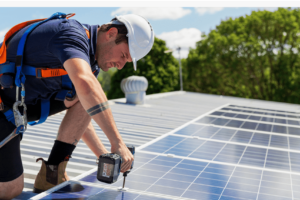

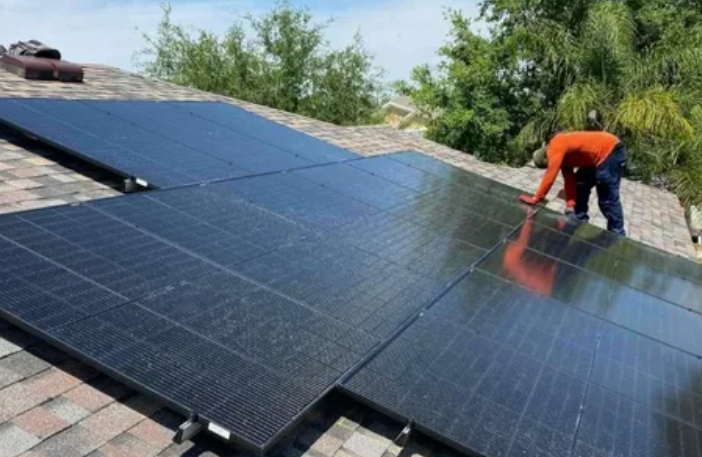
Solar energy systems are a valuable investment for homeowners and businesses seeking dependable electricity generation and greater control over energy expenses. However, when a roof requires replacement, storm damage repairs, or structural maintenance, solar panels can become an obstacle to completing the work properly. This is where experienced solar panel detach and reset contractors play an essential role. These specialists temporarily remove solar panels and associated equipment, coordinate with roofing professionals, and reinstall the system once the roof is ready. The process requires technical knowledge, careful equipment handling, and attention to electrical safety to help prevent unnecessary damage and restore normal system operation. Choosing a qualified contractor from the beginning can make the roofing project easier to manage while protecting the value of an existing solar installation.
For property owners throughout Dallas–Fort Worth and other major Texas markets, finding a dependable solar service provider is especially important when roofing work must be completed within a limited timeframe. Severe weather, hail, aging shingles, and ordinary roof deterioration can create situations where temporary solar panel removal becomes necessary. Homeowners also need clear estimates, realistic scheduling, proper equipment storage, and confidence that their solar systems will be checked after reinstallation. Sunaura Solar provides solar detach and reset services designed to coordinate with roofing projects and support the continued performance of residential and commercial systems. Understanding the contractor’s responsibilities, the removal process, and the standards involved in reinstallation helps property owners make informed decisions and avoid preventable complications.
Understanding the Role of Solar Panel Detach and Reset Contractors
solar panel detach and reset contractors manage the temporary removal and subsequent reinstallation of an existing solar array when access to the roof is required. Their responsibilities extend beyond lifting panels off mounting rails. A properly organized project begins with reviewing the existing installation, documenting panel positions, identifying relevant electrical components, and planning safe disconnection procedures. The team must also consider mounting hardware, roof attachment points, wiring routes, and equipment-specific requirements. After the roofing work is completed, the contractor returns the system to service by reinstalling the equipment, evaluating attachment points, checking electrical connections, and verifying operation. The exact scope depends on the system design, roof condition, and work required. Property owners should understand that detach and reset is different from installing a new solar system because existing equipment must be carefully removed, preserved, and restored. A professional approach helps reduce avoidable damage, supports effective coordination, and makes it easier to identify problems that require attention before the project is considered complete.
Why Professional Solar Panel Removal Matters During Roof Replacement
Roof replacement requires access to the underlying roofing materials, including shingles, underlayment, flashing, and areas around existing penetrations. Solar panels and their mounting systems can restrict access to these surfaces, making temporary removal necessary for thorough roofing work. Attempting to replace a roof around an installed solar array may complicate workmanship and leave certain areas difficult to inspect or repair. Professional removal helps address these challenges by separating the solar work from the roofing work while keeping both teams aligned. Technicians must follow appropriate electrical isolation procedures and handle modules, connectors, and mounting components carefully. They should also establish suitable arrangements for protecting removed equipment from impact, moisture, construction debris, and unauthorized access. Once the roof is ready, the solar contractor can restore the array according to the equipment manufacturer’s instructions and applicable electrical requirements. For homeowners, this coordinated process offers a more organized way to complete essential roof repairs without treating the existing solar investment as disposable equipment.
How to Choose Reliable Solar Panel Detach and Reset Contractors
Selecting a contractor requires evaluating experience, qualifications, insurance coverage, communication practices, and the details included in the written estimate. Homeowners should ask whether the company regularly handles roof replacement projects involving solar arrays and whether its technicians understand the specific inverter, panel, and mounting equipment installed on the property. It is equally important to clarify who will document the existing layout, protect roof attachment points, store removed components, and perform final operational checks. A detailed proposal should distinguish included services from possible additional charges for damaged equipment, replacement hardware, unexpected electrical issues, or repairs discovered during removal. Contractors should explain their work in understandable language and provide a realistic schedule that accounts for roofing progress and weather conditions. Sunaura Solar serves homeowners and roofing partners across Dallas–Fort Worth, Austin, and Houston, with services focused on coordinated solar removal and reinstallation. When comparing solar panel detach and reset contractors, property owners should prioritize a clearly defined process and appropriate technical qualifications rather than choosing solely on the basis of the lowest quoted price.
The Solar Detach and Reset Process: From Removal to Reinstallation
A successful project generally follows a coordinated sequence designed to protect the property and minimize avoidable delays. Before removal begins, the solar contractor reviews the installation, discusses the roofing schedule, records relevant system details, and identifies any visible concerns. Qualified personnel then isolate and disconnect the equipment according to the system’s design and applicable safety procedures. Panels and associated components are removed carefully, labeled where appropriate, and placed in a secure storage area. The roofing team can then access the roof and complete the agreed repairs or replacement. Before reinstallation, the contractor should confirm that the roof is ready and review any requirements concerning new materials, flashing, mounting points, or sealants. The solar array is then reinstalled with appropriate hardware, fastening procedures, and wiring arrangements. Afterward, the team performs suitable electrical and operational checks and reviews the system’s monitoring status. Maintaining communication throughout these stages helps prevent scheduling misunderstandings and provides the homeowner with a clearer picture of project progress.
Protecting Roof Integrity, Solar Equipment, and Warranties
The quality of a detach-and-reset project depends heavily on how carefully the roof and solar equipment are managed during removal and reinstallation. Roof attachment points require particular attention because improper flashing, unsuitable fasteners, or inadequate sealing can contribute to water intrusion. Contractors should assess existing mounting hardware and determine whether components remain suitable for reuse or need replacement. They should also follow manufacturer requirements when handling modules, connectors, grounding components, and wiring. Panels must be protected against impact and improper stacking, while removed equipment should be stored away from active construction areas. Property owners should ask how the contractor documents the equipment’s condition before removal and records any components that require replacement. Warranty considerations also deserve attention. Different manufacturers and roofing products have different terms, so homeowners should confirm whether the proposed work complies with applicable requirements and whether any separate approval is needed. Although careful workmanship can reduce risks, no contractor should promise that every existing warranty automatically remains unaffected under every circumstance. Clear documentation and appropriate installation practices help protect the property’s interests and provide a record of the work performed.
Managing Project Costs, Scheduling, and Roofer Coordination
Budgeting for solar removal and reinstallation involves more than counting the number of panels on a roof. Pricing can depend on array size, roof height, access conditions, mounting configuration, equipment complexity, storage arrangements, and the distance between removal and reinstallation dates. The contractor may also need to account for replacement hardware or additional work identified after the panels have been removed. Homeowners should request a written estimate that explains the scope, payment terms, expected timeline, and circumstances that could increase the final cost. Coordination with the roofing company is equally important because the solar team must remove the array before roofing work begins and reinstall it only after the roof is ready. Weather delays, unexpected structural repairs, and product-specific curing requirements can affect the schedule. Sunaura Solar emphasizes coordination with roofing partners, clear project communication, and documentation to help property owners understand the process. Establishing a shared schedule, confirming site access, and identifying a primary contact for each contractor can reduce confusion and help the project move forward more efficiently.
Final Testing and Solar Performance Verification
Reinstallation should not be considered complete simply because the panels have been secured to the roof. Appropriate final checks help confirm that the system has been restored correctly and that any issues identified during the project have been addressed. Depending on the installation, these checks may include reviewing mounting security, inspecting accessible wiring, verifying electrical connections, checking inverter status, and confirming that system monitoring is communicating as expected. The contractor should explain any error messages or outstanding concerns and provide documentation of the completed work. Homeowners can then monitor production over the following days and compare results with historical performance while accounting for changes in sunlight, weather, and seasonal conditions. If production remains unusually low or the monitoring system reports persistent faults, further assessment may be appropriate. Keeping photographs, service reports, and records of replaced components can also help with future maintenance and warranty discussions. These final steps provide greater visibility into the restoration process and help property owners understand whether the solar installation has returned to normal operation.
Conclusion
Choosing qualified solar panel detach and reset contractors is an important decision when roof replacement, storm damage, or other repairs require temporary removal of an existing solar array. A well-managed project combines careful equipment handling, electrical safety, roof protection, clear scheduling, and thorough post-installation verification. Homeowners should compare written estimates, confirm contractor qualifications, discuss warranty requirements, and coordinate the solar and roofing teams before work begins. They should also request documentation of the removal and reinstallation process so that future maintenance and troubleshooting are easier to manage. For property owners across Dallas–Fort Worth, Austin, and Houston, Sunaura Solar offers a practical option for coordinating solar detach and reset services around roofing projects. Ultimately, the right contractor is one that understands the complete process, communicates clearly, and treats the roof and solar array as connected parts of the same investment. With thoughtful planning and professional execution, property owners can complete essential roofing work while giving their solar systems the attention needed for reliable continued operation.