



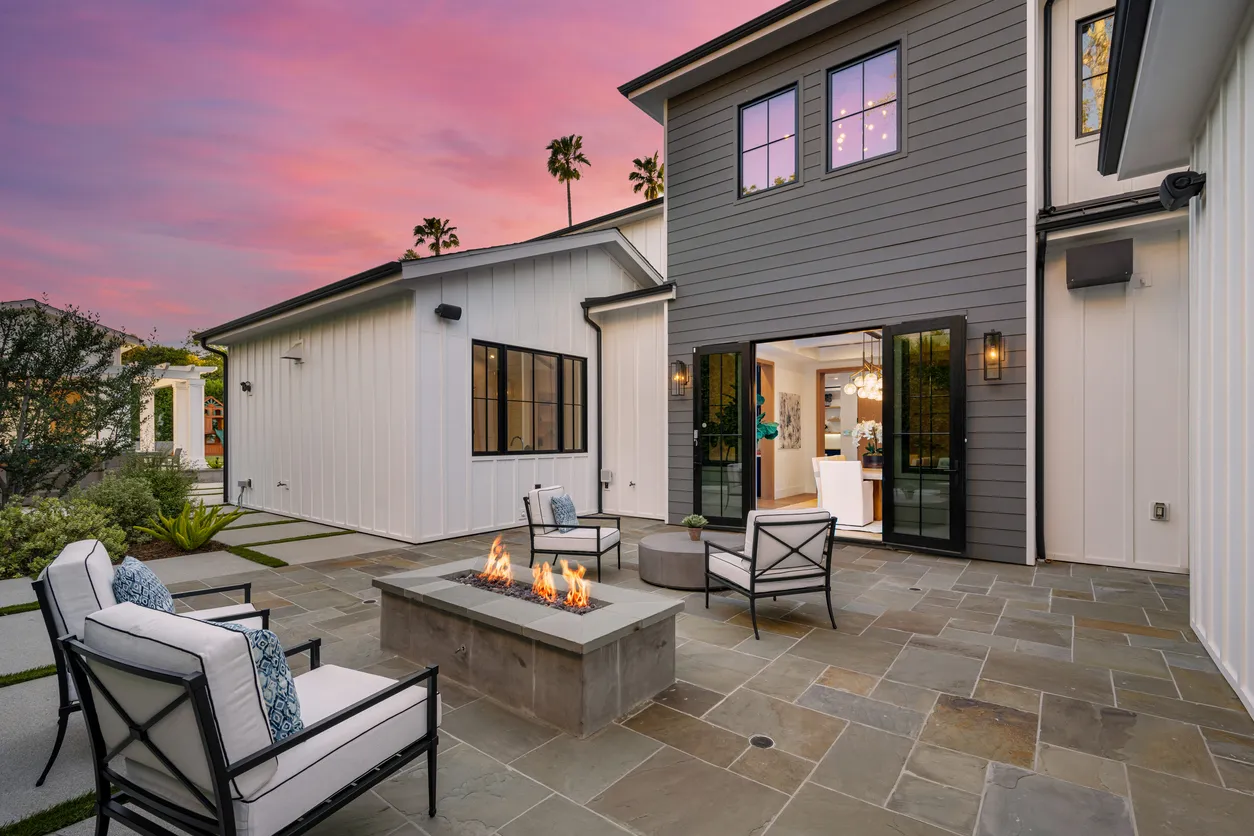
A thoughtfully designed backyard can change how homeowners enjoy their property every day. An open lawn can become a comfortable retreat with attractive seating, a well-planned patio, shaded gathering areas, and landscaping that complements the home. Creating a successful outdoor environment requires more than adding individual features. Each element should work together to make the space practical, inviting, and suitable for the homeowner’s lifestyle.
Vicente Outdoor Living helps homeowners in Tyler, Texas, and surrounding East Texas communities plan and build personalized outdoor environments. As an outdoor living company in Tyler, the team offers solutions that bring together patios, pergolas, outdoor kitchens, retaining walls, artificial turf, walkways, and landscaping. A coordinated design-build approach helps homeowners turn their ideas into a complete outdoor space while considering the property’s layout, construction requirements, and long-term use.
Transforming Ordinary Backyards Into Functional Outdoor Spaces
Many backyards have potential that remains unused because their layouts do not support everyday activities. A small patio may not provide enough room for guests, an open lawn may lack shade, or uneven ground may make it difficult to arrange outdoor furniture. A well-planned improvement project can address these limitations and make the property more enjoyable without sacrificing its existing character.
The first step is understanding how the homeowner wants to use the space. Some families need room for outdoor dining, while others prefer quiet seating areas, open play space, or a dedicated entertainment setting. By identifying these priorities early, Vicente Outdoor Living can help develop a layout that connects different features naturally and makes the most of the available yard.
Choosing an Outdoor Living Company in Tyler
Selecting the right contractor is an important part of any backyard improvement project. Homeowners should look for a company that understands outdoor construction, evaluates site conditions, communicates clearly, and provides a proposal that explains the planned work. Experience with different outdoor features is also valuable when several improvements need to fit together within one design.
A coordinated approach can simplify planning because patios, structures, landscaping, and drainage may influence one another. Instead of making separate decisions without considering the complete property, homeowners can review how each feature contributes to the overall result. Vicente Outdoor Living provides outdoor design and construction services intended to help homeowners move from initial ideas to a finished backyard with a consistent plan.
Designing Custom Patios and Comfortable Seating Areas
A patio often serves as the central gathering place in an outdoor living environment. It can provide space for dining tables, lounge furniture, and casual conversations while creating a clear connection between the home and the yard. The patio’s size and shape should reflect the available area, the number of people expected to use it, and the activities the homeowner enjoys most.
Material selection also affects the finished appearance and maintenance requirements. Pavers, concrete, and natural stone offer different colors, textures, and design possibilities. Proper base preparation and drainage are essential because they help the surface remain stable and usable. When a patio is designed alongside nearby pathways, landscaping, and shade structures, the entire outdoor area can feel more organized and welcoming.
Adding Pergolas and Outdoor Shade Structures
Shade structures can make a backyard more comfortable and create a defined area for relaxing or entertaining. Pergolas, pavilions, and covered patios add architectural interest while helping separate outdoor living zones from open lawn areas. Their appearance can be coordinated with the home’s exterior, patio materials, and surrounding landscape for a cohesive result.
The placement of a structure should be based on its intended purpose and the property’s conditions. A pergola may work well above a seating area, while a covered pavilion can accommodate a larger dining arrangement. Homeowners should also consider structural requirements, access, sunlight, and the space needed for furniture. Careful planning helps ensure the new feature improves the yard rather than making it feel crowded.
Creating an Outdoor Kitchen for Dining and Entertaining
An outdoor kitchen can make backyard gatherings more convenient by providing a dedicated place to prepare and serve meals. Depending on the design, it may include cooking equipment, counter space, storage, and nearby seating. Positioning these features thoughtfully helps create an efficient arrangement that allows hosts to prepare food while remaining connected with family and guests.
Outdoor kitchens should be planned around the available space, budget, utility requirements, and intended frequency of use. Safe clearances, appropriate ventilation, and suitable materials are important considerations. Additional features such as lighting, a dining patio, or a fire feature can complement the kitchen when they are arranged carefully. A coordinated design allows the outdoor cooking area to function as part of a complete backyard environment.
Improving Sloped Yards With Retaining Walls and Hardscaping
Uneven terrain can limit the ways homeowners use their yards. Retaining walls may help manage changes in elevation, define planting beds, and create more practical areas for patios or walkways. Their design must account for soil conditions, wall height, drainage, and any nearby structures or loads that could affect stability.
Hardscaping features can further improve the layout by connecting different sections of the property. Paver pathways, steps, patios, and other built surfaces can create convenient routes through the yard while adding visual structure. The foundation and drainage requirements of each feature should be considered before installation begins. By planning these elements together, homeowners can develop a more functional landscape that suits the property’s natural characteristics.
Enhancing the Landscape With Plants and Artificial Turf
Landscaping adds natural texture, color, and seasonal interest to outdoor living spaces. Trees can provide shade, shrubs can help define boundaries, and planting beds can soften the appearance of patios and other hard surfaces. Choosing plants suited to the site’s sunlight, soil, and available growing space helps create a landscape that looks balanced and remains manageable.
Artificial turf is another option for homeowners who want a green surface with different maintenance needs from a traditional lawn. It may be suitable for selected activity areas, lawn replacement, or backyard putting greens. Installation requires proper ground preparation and drainage to support the surface over time. Combining turf with planting beds, pathways, and seating areas can create a versatile yard while allowing each feature to serve a distinct purpose.
Planning Materials, Drainage, and Long-Term Performance
The success of an outdoor living project depends partly on what happens beneath the visible finishes. Soil conditions, grading, water movement, and base preparation can affect the durability of patios, walkways, retaining walls, and turf installations. If these details are overlooked, homeowners may experience settling, erosion, or drainage problems after the project is completed.
Material choices should reflect both appearance and practical requirements. Surfaces exposed to regular foot traffic need suitable durability, while structures and outdoor cooking areas require materials appropriate for their use and exposure. A well-developed plan considers these needs before construction begins and coordinates the work in a logical sequence. Proper preparation can help protect the investment and reduce avoidable maintenance concerns.
Understanding the Outdoor Living Design-Build Process
A design-build process brings planning and construction together under a coordinated team. The project typically starts with a consultation to discuss the homeowner’s goals, preferred features, budget, and timeline. An assessment of the property then helps identify opportunities and potential challenges related to access, slopes, drainage, and existing structures.
After the proposed design and estimate are reviewed, construction can proceed according to the agreed scope. Site preparation, drainage work, and foundation installation should be coordinated with the later installation of patios, structures, and landscape features. Clear communication throughout the process helps homeowners understand progress and make informed decisions when adjustments are needed. A final walkthrough allows the completed work to be reviewed before the project is considered finished.
Planning a Backyard Project That Fits Your Budget
A realistic budget helps homeowners decide which improvements should be included in the initial project and which could be added later. Costs may vary according to the size of the area, materials, labor, site preparation, drainage requirements, and the complexity of individual features. Discussing these factors early helps establish priorities and avoid unexpected changes during construction.
Before starting, homeowners should consider the following planning steps:
- Identify the main purpose of the backyard, such as relaxation, dining, or entertaining.
- Decide which features are essential and which are optional additions.
- Review material choices and maintenance requirements.
- Discuss drainage, grading, access, and other site conditions.
- Request a clear proposal outlining the planned work and expected costs.
These steps help establish a practical direction for the project and make it easier to compare design options. A clear plan also helps ensure that the finished outdoor space reflects the homeowner’s priorities instead of becoming a collection of features that do not work well together.
Why Homeowners Can Consider Vicente Outdoor Living
Vicente Outdoor Living works with homeowners in Tyler and nearby East Texas communities to plan outdoor environments that balance design and functionality. Its services include patios, pergolas, pavilions, outdoor kitchens, retaining walls, artificial turf, hardscaping, landscaping, and custom decks. These options allow homeowners to coordinate multiple improvements as part of a larger backyard transformation.
A personalized approach is important because every property has different dimensions, site conditions, and design opportunities. By considering how the homeowner intends to use the space, which materials suit the property, and how individual features connect, the project can be developed around practical needs. Clear communication and coordinated construction also help homeowners understand the steps involved from the initial consultation through the final review.
Conclusion
Choosing an outdoor living company in Tyler can help homeowners turn an underused backyard into a comfortable and functional extension of their home. Custom patios, shaded seating areas, outdoor kitchens, retaining walls, artificial turf, and landscaping can all contribute to a more inviting environment when they are planned as part of one cohesive design. Careful attention to site preparation, drainage, materials, and long-term maintenance helps support lasting results.
Vicente Outdoor Living provides outdoor design and construction services for homeowners in Tyler, Texas, and surrounding East Texas communities. Whether the goal is to update an existing patio, improve a sloped yard, or create a complete outdoor entertainment area, starting with a clear plan helps bring the different elements together. A thoughtfully designed backyard can offer more opportunities to relax, gather with loved ones, and enjoy the property throughout the year.