





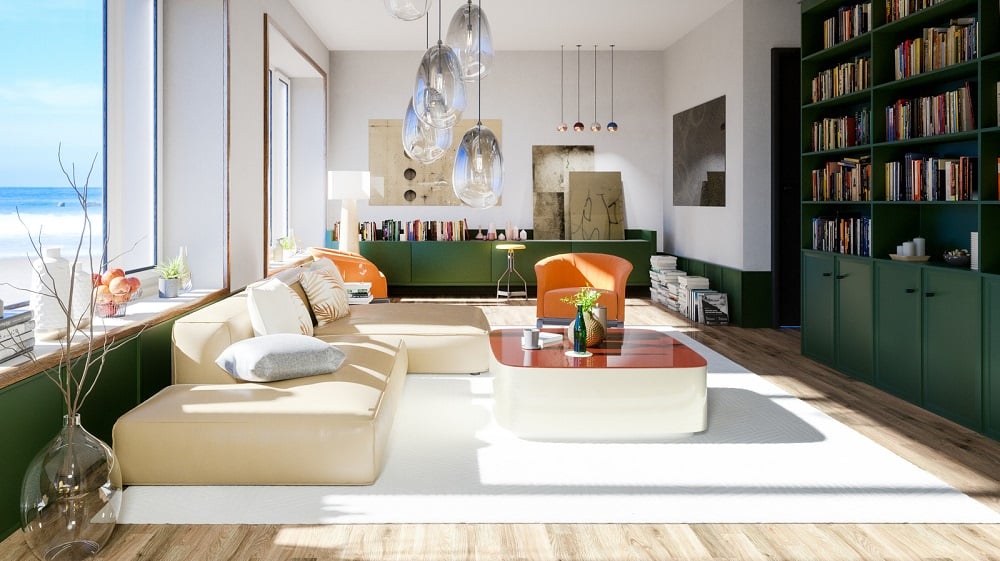
Creating an aesthetically elevated, functionally harmonious living space requires an integrated approach to interior design, furniture selection, and spatial decoration. Modern residential architecture emphasizes personalized aesthetics that balance visual beauty, spatial proportion, and everyday utility. Designing an inviting interior environment involves understanding color psychology, selecting quality home furnishings, and applying professional decoration strategies. Harmonizing architectural elements with curated decor items enables homeowners and interior designers to transform ordinary rooms into sophisticated, functional living spaces.
Sustaining visual harmony and functional comfort across changing architectural trends requires moving beyond temporary decorative fads toward timeless design principles. Without a clear understanding of spatial layout balance, textile layering, and color harmony, interior spaces risk visual clutter, inadequate lighting, and poor spatial flow. Furthermore, as residential lifestyles evolve to accommodate multi-functional living areas, mastering interior styling frameworks, decor curation, and professional decorator planning becomes essential. Combining thoughtful spatial planning with expressive decorative accents establishes pristine, comfortable interiors tailored to individual lifestyles.
1. Residential Home Decor Architecture, Interior Curation, and Aesthetic Balance
Home decor serves as the expressive layer of residential architecture, bridging raw structural spaces with personal lifestyle aesthetics. Curation involves carefully selecting furniture pieces, wall art, decorative textiles, and accent accessories that complement room proportions and architectural details. Achieving visual balance within a living space relies on distributing visual weight, utilizing scale effectively, and creating compelling focal points—such as a grand fireplace, a statement accent wall, or a hand-crafted dining table.
Developing an eye for interior curation requires exploring diverse design movements—including modern minimalist, mid-century modern, rustic farmhouse, and refined contemporary styles. Homeowners, interior designers, and decor enthusiasts seeking creative home styling guides, seasonal decor ideas, and room transformation inspiration can explore dedicated design portals like All Home Decors to discover curated interior design concepts.
Core pillars of interior decor architecture and visual balance include:
- Focal Point Establishment: Designing room layouts around central architectural features or statement furniture pieces to anchor spatial flow.
- Scale and Proportion Alignment: Selecting furniture dimensions that match room volume, preventing overcrowded floor plans or sparse visual fields.
- Textural Layering and Tactility: Combining smooth woods, woven fabrics, metals, and ceramics to create depth and sensory richness.
- Symmetrical and Asymmetrical Balance: Utilizing symmetrical furniture arrangements for formal elegance or asymmetrical groupings for relaxed, modern charm.
2. Italian and Global Interior Accents, Artisan Home Crafts, and Custom Decor Curation
Integrating global design accents and fine artisan craftsmanship brings historical depth, cultural elegance, and unique character to modern home interiors. Italian interior decor, renowned for its luxurious materials, sleek lines, and artisanal heritage, showcases the power of combining premium natural marble, hand-blown glass, and supple leather furnishings. Blending refined global design accents into contemporary residential spaces creates sophisticated, eclectic atmospheres that reflect refined taste.
Selecting custom decorative accents demands evaluating material quality, hand-finished detailing, and architectural compatibility. Design aficionados, homeowners, and luxury interior buyers seeking artisanal decor inspiration, Italian design concepts, and elegant home accent ideas can consult specialized luxury decor portals like Casa In Decor to elevate their interior spaces.
Key Architectural Elements in Italian and Luxury Interior Design
Incorporating luxury global accents into residential living spaces relies on several signature design elements:
- Natural Stone and Marble Finishes: Utilizing polished Carrara or Calacatta marble for countertops, accent tables, and fireplace surrounds.
- Artisanal Glass and Metalwork: Incorporating Murano-style glass fixtures and brushed brass or bronze accents to catch natural light.
- Supple Leather Upholstery: Featuring fine hand-stitched leather seating that acquires rich patina and elegance over time.
3. Professional Decorator Planning, Color Palette Strategy, and Spatial Layouts
Executing a flawless interior redesign or new home build requires systematic decorator planning and professional design methodologies. Decorators utilize structured color palette strategies, mood boards, and scaled floor plans to harmonize wall paint tones, floor finishes, and soft furnishings before purchasing materials. Establishing a cohesive color narrative across adjacent rooms creates seamless spatial transitions throughout the entire residence.
Navigating decorating decisions demands evaluating natural light orientation, room function, and traffic flow patterns. Homeowners, DIY decorators, and design professionals seeking expert decorator advice, color scheme guides, and spatial planning tips can research dedicated interior advisory portals like Decorator Advice to guide their decorating projects.
4. Color Psychology and Environmental Lighting Integration
Color choices profoundly influence human mood, spatial perception, and environmental energy within residential interiors. Cool tones—such as soft blues, muted greens, and cool grays—promote calm and restfulness in bedrooms and bathrooms, whereas warm hues—such as terracottas, warm ochres, and creamy whites—encourage social interaction in living rooms and kitchens.
Pairing color palettes with multi-layered lighting architecture—combining ambient overhead lighting, focused task lighting, and subtle warm accent LEDs—highlights architectural textures and ensures functionality during both day and night.
5. Sustainable Materials, Organic Decor, and Biophilic Design
Modern interior design increasingly incorporates sustainable, eco-friendly materials and biophilic principles that connect indoor living environments with natural nature. Utilizing reclaimed timber, organic linen upholstery, non-toxic low-VOC paints, and natural stone reduces indoor chemical off-gassing and supports environmental sustainability.
Integrating indoor botanical displays, living green walls, and large windows that maximize natural daylight improves indoor air quality and enhances emotional wellbeing. Sustainable organic decor fosters serene, healthy living sanctuaries.
6. Textile Selection, Drapery Layering, and Acoustic Comfort
Soft furnishings and decorative textiles play a crucial functional and aesthetic role in softening hard architectural lines and enhancing room acoustic comfort. Layering plush area rugs over hard flooring surfaces absorbs ambient noise, reduces echoes, and defines distinct functional zones within open-concept layouts.
Selecting high-quality drapery fabrics—such as heavy velvet or light-filtering linen—provides light control, privacy, and thermal insulation at window openings. Matching drapery textures to room upholstery completes interior design schemes seamlessly.
7. Functional Open-Concept Layouts and Spatial Zoning
Designing modern open-concept living spaces requires establishing clear functional zones without building rigid interior walls. Utilizing architectural furniture arrangements, distinct area rugs, directional light fixtures, and low-profile shelving creates intuitive boundaries between living, dining, and kitchen areas.
Maintaining clear walking pathways and unobstructed sightlines ensures smooth spatial navigation. Thoughtful spatial zoning preserves the open, airy feel of modern architecture while maintaining functional living efficiency.
8. Custom Cabinetry, Architectural Millwork, and Built-In Storage
Maximizing living space efficiency and eliminating room clutter relies heavily on custom cabinetry and detailed architectural millwork. Installing floor-to-ceiling built-in bookcases, custom closet organizers, and integrated entertainment units turns unused wall space into elegant storage solutions.
Incorporate decorative crown moldings, wainscoting, and recessed wall paneling to add architectural texture and character to plain drywall surfaces. Tailored millwork elevates residential property value and aesthetic sophistication.
9. Art Curation, Gallery Wall Composition, and Personal Expression
Displaying original artwork, photography collections, and sculptural pieces transforms residential houses into personal, character-rich homes. Curating an impactful wall display requires hanging artwork at proper eye-level heights (typically centered 57 to 60 inches from the floor) and maintaining consistent spacing between frames.
Combining varied art styles—such as abstract canvas paintings alongside vintage black-and-white photography—creates engaging visual gallery walls. Thoughtfully curated artwork expresses personal identity and serves as a natural conversation starter.
10. Strategic Interior Decor and Spatial Review Checklist
Maintaining an elegant, organized, and aesthetically harmonious home environment requires periodic systematic reviews across key interior design channels. Homeowners and interior decorators should regularly review their posture using the following framework:
- Spatial Layout & Balance Audit: Evaluate furniture proportions, clear walking pathways, and verify room focal points.
- Color & Lighting Check: Review room color harmony, test layered lighting schemes, and maximize natural daylight access.
- Material & Decor Curation Review: Inspect textile wear, clean natural stone surfaces, and update decorative accent arrangements.
- Storage & Millwork Inspection: Declutter open surfaces, organize built-in storage cabinets, and audit architectural wall finishes.
By systematically combining architectural decor curation, luxury artisanal accents, professional decorator planning, and sustainable interior design practices, homeowners can build pristine, comfortable living environments engineered for timeless style and functional vitality.