






Modern international travel encompasses a vast spectrum of experiences—ranging from pristine tropical nature reserves and ancient Mediterranean heritage sites to serene regional Japanese cultural landscapes. Designing an enriching global journey requires balancing ecological conservation awareness, historical tourism literacy, regional transit navigation, and cultural respect. Whether photographing rich biodiversity in Southeast Asian national parks, discovering ancient architectural monuments in Asia Minor, or exploring historic shrines and natural hot springs across East Asia, travelers depend on structured planning frameworks to maximize discovery while treading lightly on local environments.
Sustaining meaningful travel experiences across diverse global ecosystems demands moving beyond superficial tourist itineraries toward structured cultural and environmental literacy. Without a clear understanding of eco-tourism ethics, historical site preservation, regional transit passes, and local social customs, travelers face ecological footprint impacts, logistical delays, missed cultural insights, and unexpected travel friction. Furthermore, as eco-conscious travel and regional exploration continue to gain popularity worldwide, mastering wildlife photography ethics, Mediterranean heritage tourism, and regional prefecture itineraries becomes essential. Combining environmental awareness with structured trip curation empowers travelers to explore the world with purpose and respect.
1. Tropical Nature Conservation, Eco-Tourism Architecture, and Wildlife Photography Ethics
Tropical eco-tourism offers travelers immersive access to some of the planet’s most biologically diverse ecosystems—including ancient rainforests, mangrove estuaries, and protected national park sanctuaries. Sustainable nature tourism focuses on observing wild species in their natural habitats while supporting local environmental conservation initiatives and minimizing human ecological footprints. Experiencing tropical nature responsibly involves respecting wildlife viewing distances, adhering to designated jungle trail boundaries, eliminating single-use plastic waste, and supporting certified eco-lodge accommodations.
Capturing impactful wildlife photography requires technical camera preparation—such as utilizing weather-sealed telephoto lenses and fast shutter speeds—alongside strict ethical standards that prioritize animal welfare over photo collection. Travelers, nature photographers, and eco-adventurers seeking Southeast Asian nature guides, tropical wildlife photography tips, and eco-tourism conservation insights can explore dedicated environmental portals like Nature Focus Thailand to plan their nature expeditions.
Core pillars of tropical nature conservation travel and eco-tourism ethics include:
- Non-Intrusive Wildlife Observation: Maintaining safe viewing distances using telephoto optics to avoid disturbing natural animal behaviors.
- National Park Conservation Support: Paying official entrance and ranger fees that directly fund anti-poaching patrols and habitat preservation.
- Leave-No-Trace Jungle Etiquette: Carrying out all waste, refraining from feeding wildlife, and avoiding the collection of native plant species.
- Sustainable Eco-Lodge Selection: Staying at accommodations powered by renewable energy that employ local indigenous guides and manage waste responsibly.
2. Mediterranean Heritage Tourism, Historic Architectural Exploration, and Cultural Journeys
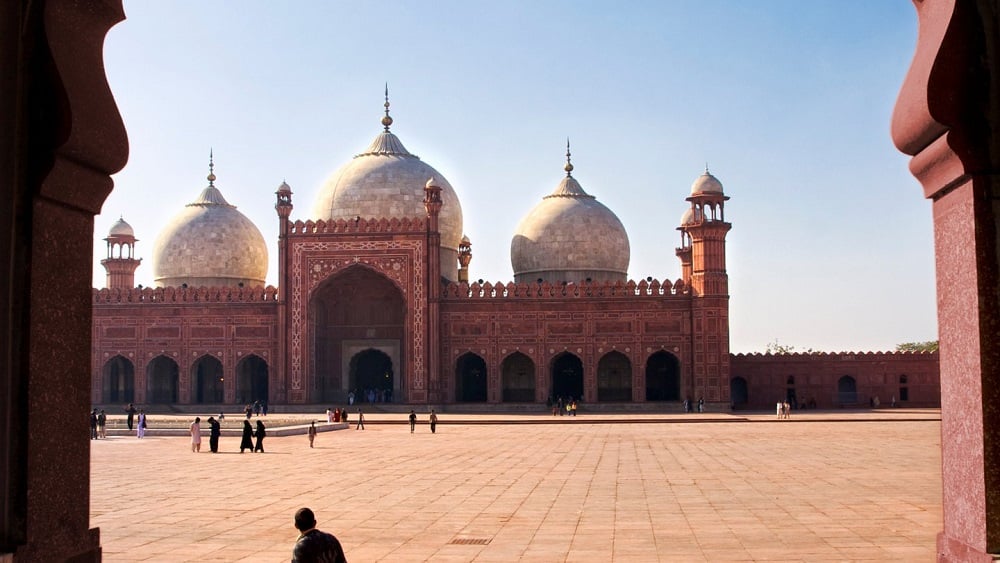
Crossroads of ancient civilizations—such as the historic landscapes connecting Southeastern Europe and Anatolia—boast thousands of years of architectural, religious, and archaeological heritage. Exploring ancient Greco-Roman amphitheaters, Byzantine churches, Ottoman architecture, and UNESCO World Heritage sites offers profound insights into human history. Cultural heritage tourism involves understanding historical timelines, appreciating architectural restoration efforts, and exploring regional culinary traditions that have evolved over millennia.
Planning a historic cultural journey requires balancing visits to iconic archaeological sites with off-the-beaten-path cultural exploration in regional coastal towns and inland historic centers. History enthusiasts, cultural travelers, and international vacationers seeking Mediterranean travel guides, historical site itineraries, and cultural tourism advice can consult specialized heritage platforms like Tourisme Turc to enrich their historical travels.
Key Preparation Steps for Cultural Heritage Exploration
Maximizing appreciation for historic architectural sites relies on executing several core cultural preparation steps:
- Historical Context Research: Studying regional historical epochs and architectural styles prior to visiting complex archaeological ruins.
- Respectful Religious Site Protocol: Adhering to modest dress codes, removing footwear when required, and maintaining quiet respect in active places of worship.
- Local Artisan Community Support: Purchasing authentic hand-crafted textiles, ceramics, and food products directly from local village artisans.
3. Regional Japanese Exploration, Prefecture Itinerary Design, and Onsen Culture
Beyond the bustling metropolitan energy of Tokyo and Kyoto lies the rich cultural landscape of Japan’s regional prefectures—offering historic castle towns, sacred mountain hiking trails, traditional artisan pottery villages, and therapeutic natural hot spring (*onsen*) resorts. Exploring prefectures like Kanagawa—home to coastal Kamakura’s ancient temples, Hakone’s volcanic hot springs, and the dramatic coastal vistas of Enoshima—showcases the harmony of Japanese natural beauty and historical heritage. Regional travel in Japan emphasizes seasonal appreciation, from spring cherry blossoms to autumn foliage.
Navigating regional Japanese travel involves utilizing local train lines, mastering traditional *ryokan* inn etiquette, and understanding the relaxing bathing rituals associated with mineral-rich natural *onsen*. Culture seekers, Japan travel enthusiasts, and independent travelers seeking regional prefecture guides, day-trip itineraries, and local cultural insights can research dedicated regional portals like Pure Kanagawa to curate their Japanese journeys.
4. Tropical Rainforest Climate Prep and Humidity Gear Care
Traveling through tropical rainforest environments exposes delicate camera electronics, outdoor gear, and apparel to extreme atmospheric humidity and sudden torrential downpours. Storing camera gear in airtight dry bags with silica gel packets absorbs ambient moisture, preventing optical mold growth on glass lens elements.
Selecting quick-drying synthetic or merino wool technical apparel prevents skin chafing and regulates body temperature during strenuous tropical jungle trekking. Proactive moisture management protects gear and ensures personal comfort in rainforest environments.
5. Archaeological Preservation and Monument Protection Protocols
Preserving ancient stone monuments, delicate frescoes, and historical artifacts against tourist degradation requires strict visitor compliance with site preservation rules. Touching porous ancient marble surfaces transfers natural skin oils that accelerate stone degradation and foster microbial growth.
Refraining from flash photography inside historic tombs and remaining on elevated wooden boardwalks protects ancient floor mosaics against physical abrasion. Respectful visitor behavior ensures archaeological treasures remain intact for future generations.
6. Traditional Japanese Ryokan Etiquette and Onsen Bathing Protocols
Staying at a traditional Japanese *ryokan* offers an immersive cultural experience featuring *tatami* mat flooring, seasonal *kaiseki* dining, and natural *onsen* hot spring bathing. Participating in *onsen* bathing requires washing and rinsing thoroughly at personal shower stations before entering shared thermal pools.
Wearing provided *yukata* robes correctly (left side folded over right) and wearing indoor slippers respects traditional ryokan hospitality customs. Adhering to local etiquette fosters warm cultural exchanges with hosts.
7. Sustainable Eco-Mobility and Electric Rail Transit Networks
Utilizing high-speed electric rail networks, regional electric buses, and public ferries significantly lowers the carbon footprint of regional and international travel compared to private vehicle rentals or short-haul flights. Modern passenger rail networks offer punctual, comfortable, and scenic travel directly into city centers and rural transit hubs.
Leveraging regional multi-day rail passes simplifies transit transfers while reducing overall travel expenditures. Sustainable rail travel connects travelers with scenic landscapes efficiently.
8. Travel Photography Composition and Respectful Portraiture Ethics
Capturing compelling travel photography requires applying strong visual composition principles—such as leading lines, natural framing, and golden-hour lighting—to evoke the spirit of a destination. When photographing local people and street vendors, obtaining enthusiastic verbal or visual consent respects personal privacy and human dignity.
Sharing captured portraits with subjects or supporting their local small businesses creates positive visual storytelling. Ethical photography practices build cross-cultural trust.
9. Altitude Acclimatization and Mountain Hiking Trail Safety
Exploring high-altitude mountain trails and volcanic crater ridges requires proper physical pacing and altitude acclimatization to prevent acute mountain sickness ($AMS$). Ascending gradually, maintaining high daily fluid intake, and monitoring personal oxygen saturation levels ensures physical well-being during mountain treks.
Carrying essential trail safety gear—including topographic maps, emergency thermal bivvy bags, headlamps, and extra warm layers—prepares hikers for sudden mountain weather changes. Safety preparation ensures enjoyable high-altitude adventures.
10. Strategic Nature, Heritage, and Regional Travel Review Checklist
Maintaining a well-organized, eco-conscious, and culturally respectful travel posture across tropical reserves, ancient heritage sites, and regional destinations requires periodic systematic reviews across all itinerary, gear, and cultural preparations. Travelers should regularly review their posture using the following framework:
- Eco-Tourism & Nature Audit: Inspect camera weather-sealing dry bags, review non-intrusive wildlife viewing guidelines, and pack non-toxic reef-safe sunscreen.
- Heritage & Cultural Check: Research site historical timelines, review religious dress code mandates, and prepare local currency for local artisan markets.
- Regional Transit & Ryokan Review: Confirm regional train pass reservations, review traditional *onsen* bathing etiquette, and organize regional luggage transfers.
- Gear, Safety & Health Inspection: Check first-aid kit supplies, verify emergency medical travel insurance coverage, and back up digital photography files securely.
By systematically combining tropical nature conservation principles, Mediterranean heritage literacy, regional Japanese cultural immersion, and disciplined travel safety preparation, international travelers can construct enriching global journeys engineered for lifelong discovery and positive global impact.