




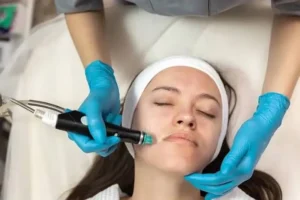

Small tattoos can carry significant personal meaning, but preferences and circumstances may change over time. A design that once felt meaningful may no longer reflect someone’s personality, lifestyle, or aesthetic preferences. Fortunately, modern laser technology offers an approach to fading or removing unwanted tattoo ink. Many people considering Laser Tattoo Removal in Abu Dhabi wonder whether this treatment is suitable for smaller designs and how effectively it can address limited areas of ink. The answer depends on several factors, including tattoo colour, ink depth, skin characteristics, and the age of the design. Understanding how laser tattoo removal works can help individuals determine whether it is an appropriate option for their particular tattoo.
Understanding Laser Tattoo Removal Treatment
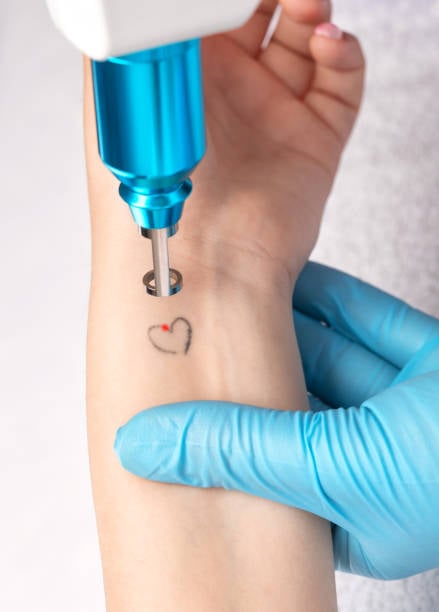
Laser tattoo removal is a procedure that uses concentrated light energy to target tattoo pigments within the skin. The laser delivers controlled pulses of energy that are absorbed by the ink particles. This process breaks larger pigment particles into smaller fragments, which the body’s natural processes gradually eliminate.
The technology is designed to target tattoo ink while limiting its impact on the surrounding skin. Different laser wavelengths may be used depending on the colours and characteristics of the tattoo. Since tattoo pigments vary in their ability to absorb light energy, selecting an appropriate laser approach is important for achieving effective results.
For smaller tattoos, the treatment focuses on a limited area, making it possible to concentrate the laser energy on the specific design. However, the size of a tattoo alone does not determine how easily it can be removed.
Why Are Small Tattoos Suitable for Laser Removal?
Small tattoos can be suitable candidates for laser removal because they generally cover a more limited surface area than larger designs. This allows the treatment provider to focus on a smaller section of skin without addressing extensive tattoo coverage.
For individuals with small symbols, initials, lettering, or minimal decorative designs, laser treatment can offer a targeted approach to reducing unwanted pigmentation. The limited size may also make individual treatment appointments more straightforward, depending on the tattoo’s characteristics.
However, a small tattoo is not necessarily easier to remove than a larger one. A tiny design containing dense black ink may require a different treatment approach from a larger tattoo with lighter pigmentation. Ink composition, placement, and depth remain important considerations when determining suitability.
Does Tattoo Colour Affect the Removal Process?
Tattoo colour is one of the most important factors influencing laser removal. Different pigments respond differently to specific laser wavelengths, which means some colours may be easier to target than others.
Black and dark blue inks generally absorb laser energy effectively, making them common candidates for laser removal. Other colours, such as green, turquoise, yellow, and certain lighter shades, may require specialised wavelengths or a more tailored treatment approach.
Small tattoos with multiple colours may therefore involve a more complex removal process than simple designs containing a single dark pigment. The treatment provider evaluates the ink colours and selects an appropriate technology based on the tattoo’s appearance and composition.
Understanding the relationship between ink colour and laser technology helps establish realistic expectations. Even when a tattoo is small, its pigmentation can influence the number of sessions required and the overall removal process.
How Many Sessions Are Needed for Small Tattoos?
The number of laser tattoo removal sessions varies from person to person. Although small tattoos involve less surface area, complete removal may still require multiple appointments. Each session gradually breaks down additional ink particles, allowing the body time to process the fragmented pigment.
Several factors influence the treatment schedule, including ink density, colour, tattoo age, depth, and individual skin characteristics. A small, relatively simple tattoo with dark ink may respond differently from a compact design containing several colours or densely packed pigment.
Sessions are generally spaced apart to allow the skin to recover and the body’s natural processes to eliminate the fragmented ink. Treating the same area repeatedly without sufficient intervals is not the objective of an effective treatment plan.
A professional assessment can provide a more accurate estimate of the likely number of sessions. It is important to understand that complete removal cannot always be guaranteed, and some tattoos may leave a faint trace of pigmentation.
Does the Location of a Small Tattoo Matter?
The location of a tattoo can influence how it responds to laser treatment. Small designs may appear on areas such as the wrists, fingers, ankles, shoulders, neck, or upper arms. Although these tattoos may have similar dimensions, their removal experiences can differ.
One reason is that circulation and the body’s ability to process fragmented ink can vary across different areas. Tattoos located closer to the body’s centre may sometimes respond differently from those on the hands, fingers, or feet.
Skin characteristics and the depth of ink placement also influence treatment planning. Areas with different skin thicknesses may require adjustments to the laser settings and treatment approach.
Consequently, assessing the tattoo’s location is just as important as considering its size. A personalised evaluation helps determine the most suitable approach for the specific area.
What Should You Expect During Small Tattoo Removal?
Laser tattoo removal generally begins with an examination of the design, including its size, colour, location, and pigmentation. The treatment provider evaluates the skin and determines which laser technology and settings are appropriate.
During the procedure, the laser device delivers controlled pulses of light energy to the tattooed area. Individuals may experience a brief snapping or warming sensation as the laser targets the pigment. The duration of the session depends on the tattoo’s size, ink density, and the technology being used.
Because small tattoos cover limited areas, the actual laser application may take less time than treating extensive designs. Nevertheless, the treatment process should be based on the characteristics of the ink rather than size alone.
After the appointment, the treated area requires appropriate care according to the instructions provided. Follow-up assessments help evaluate how the pigmentation is responding and whether additional sessions are appropriate.
Can Small Tattoos Be Completely Removed?
Complete tattoo removal is possible in some cases, but it depends on several individual factors. Small tattoos containing dark ink and relatively uncomplicated designs may respond favourably to laser treatment. However, certain pigments can be more difficult to break down, and some designs may leave residual traces.
The original tattooing technique also matters. Ink placed deeply or applied in dense layers may require additional treatment compared with lightly applied pigment.
It is important to distinguish between tattoo fading and complete removal. Some individuals may be satisfied with substantial fading, while others prefer to pursue greater pigment reduction. The desired outcome should be discussed before beginning treatment so that expectations remain realistic.
Is Laser Removal Better Than Other Options for Small Tattoos?
For individuals seeking to reduce or remove unwanted tattoo pigment without surgically removing the tattooed skin, laser technology is a commonly considered option. Its ability to target specific ink pigments makes it suitable for various tattoo sizes and designs.
Other approaches may involve different procedures and considerations. However, laser treatment offers a non-surgical method that can be adjusted according to the tattoo’s characteristics. This flexibility makes it relevant for small tattoos that require a focused treatment approach.
The most appropriate option depends on personal preferences, skin characteristics, tattoo composition, and the desired result. A thorough consultation helps establish whether laser removal is suitable and what level of improvement may realistically be achieved.
Final Thoughts
Laser tattoo removal can be a suitable option for individuals who want to reduce or remove small, unwanted tattoos. Its targeted approach allows laser energy to focus on specific ink pigments, making it useful for addressing compact designs such as initials, symbols, and small decorative patterns.
However, tattoo size is only one part of the removal process. Ink colour, density, depth, location, and individual skin characteristics all influence the treatment approach and expected results. Understanding these factors can help individuals make informed decisions and develop realistic expectations. With an appropriate assessment and personalised treatment plan, laser tattoo removal can provide an effective approach to addressing small tattoos.
FAQs
Is laser tattoo removal suitable for tiny tattoos?
Yes, laser treatment can target tiny tattoos by focusing light energy on the specific area containing unwanted ink.
Are small tattoos easier to remove than large tattoos?
Not necessarily. Ink colour, depth, density, and composition can influence removal more than tattoo size alone.
How many sessions are needed for a small tattoo?
The number varies according to the tattoo’s characteristics and individual response. Multiple sessions are often required.
Can coloured small tattoos be removed?
Yes, although different colours respond differently to laser wavelengths and may require specialised treatment approaches.
Can a small tattoo be completely removed?
Complete removal may be possible, but results depend on the ink, tattoo placement, and individual skin characteristics.