







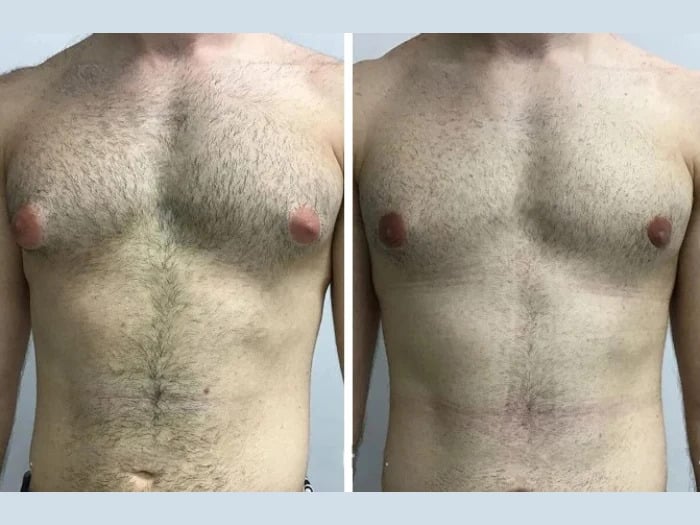
Surgical boundaries are an important part of planning male breast surgery. They help surgeons understand how much breast tissue can be removed while maintaining natural chest proportions and protecting surrounding structures. Careful planning is necessary because every patient has a different chest shape, tissue distribution, skin condition, and nipple position.
During Gynecomastia Surgery in dubai, surgeons evaluate the boundaries between glandular tissue, fatty deposits, chest muscles, and surrounding skin. These anatomical details help determine the appropriate treatment area and guide tissue removal.
For men considering Male breast reduction surgery in dubai, understanding surgical boundaries can explain why removing more tissue does not always produce better results. The aim is to improve chest shape while maintaining a balanced and natural appearance.
Why Surgical Boundaries Matter in Gynecomastia Surgery in dubai
Surgical boundaries define the areas where excess breast tissue can be treated safely and appropriately. They help surgeons distinguish between glandular tissue, surrounding fat, skin, and underlying chest structures. During a Gynecomastia Surgery in dubai removing too little tissue may leave visible fullness. Removing too much tissue can create depressions, irregular contours, or an unnatural chest appearance.
For patients with chest gynecomastia, the surgeon examines the entire breast area rather than focusing only on the nipple region.
The treatment plan considers the natural chest shape, muscle definition, breast enlargement, and skin elasticity. These factors help establish appropriate surgical limits for each patient.
How Surgeons Identify Tissue Boundaries or Treatment Areas
Before surgery, the surgeon examines the chest to identify the location and extent of excess tissue. Glandular tissue often forms a firmer area beneath the nipple, while fatty deposits may extend across a wider part of the chest.
Physical examination helps determine which areas require treatment. The surgeon may also assess skin thickness, nipple position, areola size, and chest symmetry.
In some cases, imaging or additional medical investigations may be appropriate when the diagnosis is uncertain.
Men researching Best Gynecomastia Surgeons in dubai should understand that surgical planning requires an accurate assessment of individual anatomy.
Identifying the correct treatment boundaries helps avoid unnecessary tissue removal and supports a more balanced chest contour.
Surgical Boundaries or Protection of Chest Muscles and Surrounding Structures
The chest contains several important anatomical structures, including the pectoral muscles, skin, connective tissues, and blood vessels.
During Gynecomastia Surgery in dubai, surgeons work within the breast tissue while taking care to protect the surrounding structures.
The pectoral muscles contribute to the natural shape of the male chest. Surgical treatment focuses on excess breast tissue above these muscles rather than removing or damaging healthy muscle tissue.
Careful tissue handling also helps preserve the structures supporting the nipple and areola.
For men experiencing gyno chest or significant breast enlargement, the surgeon considers how tissue removal may influence the overall chest contour.
How Surgical Boundaries Influence Bilateral Gynecomastia Treatment
Men with bilateral gynecomastia may have different amounts of breast tissue on each side. One breast may appear larger, firmer, or more projected than the other.
This difference means that identical tissue removal on both sides may not always be appropriate.
Surgeons assess each side independently and establish treatment boundaries according to the existing anatomy. They also consider nipple position, chest width, skin quality, and natural muscle structure.
The aim is to improve symmetry while recognising that perfect anatomical equality is not always possible.
Patients should understand that individual differences can influence both surgical planning and Gynecomastia surgery results.
Surgical Boundaries or Skin Elasticity and Chest Contour
Skin elasticity influences how the chest adjusts after excess tissue is removed. Patients with good skin flexibility may experience natural skin adjustment during recovery.
However, men with longstanding breast enlargement or significant weight changes may have loose skin that does not retract completely.
Surgeons consider the amount of excess skin when establishing surgical boundaries. In selected cases, additional skin removal may be discussed.
The treatment plan should also consider the position of the nipple and areola to avoid an uneven chest appearance.
For men looking to get rid of man boobs, get rid of moobs, or improve their appearance through surgery, understanding skin condition is an important part of setting realistic expectations.
Before and After Results or Surgical Boundary Planning
Before surgery, patients may have enlarged breasts, excess glandular tissue, fatty deposits, nipple puffiness, or uneven chest contours.
The surgeon examines these concerns and documents the original chest appearance through clinical measurements and photographs.
After surgery, the chest gradually develops a different contour as swelling decreases and the tissues heal.
Before and after results can demonstrate changes in breast projection, chest shape, and nipple appearance. However, the final outcome depends on tissue distribution, skin elasticity, surgical technique, and individual healing.
Removing tissue beyond appropriate surgical boundaries can create visible depressions or irregularities. This is why careful planning is important for natural-looking Gynecomastia surgery results.
Gynecomastia Treatment Options or Surgical Boundaries
Different patients require different treatment approaches depending on the cause and severity of breast enlargement.
Gynecomastia treatment options may include observation, medical management, and surgery. Non-surgical gynecomastia treatments may be suitable when breast enlargement is related to hormonal changes or certain medications.
Gynecomastia treatment without surgery focuses on identifying and addressing the underlying cause. However, established glandular tissue may not disappear through exercise or weight loss alone.
When surgery is appropriate, the surgeon determines whether liposuction, glandular tissue excision, or a combination of techniques is required.
Men experiencing gyno in men, gynecomastia male breast enlargement, or persistent chest gynecomastia should receive an appropriate medical assessment.
Gynecomastia correction Dubai planning should consider the patient’s anatomy, medical history, and treatment goals.
Gynecomastia Surgery Cost in dubai or Surgical Planning Requirements
The Gynecomastia Surgery Cost in dubai depends on the complexity of the procedure and the treatment approach. Patients researching Gynecomastia cost in Dubai, gynecomastia treatment cost, and gyno operation cost should understand that surgical requirements vary according to individual anatomy.
For example, a patient requiring glandular tissue removal alone may have different treatment requirements from someone who needs liposuction and additional skin correction.
The surgeon should explain the proposed procedure, anaesthesia, facility charges, and postoperative appointments during consultation.
When comparing Best gynecomastia surgeons in Dubai, patients should consider medical qualifications, surgical experience, safety standards, and follow-up care rather than focusing only on price.
Choosing Best doctors in dubai or Gynecomastia Doctors
Choosing qualified gynecomastia doctors is an important step before undergoing male breast surgery.
Patients researching Best doctors in dubai should review the surgeon’s qualifications, experience with male breast procedures, and approach to anatomical assessment.
Perfect Doctors Clinic may be included in patients’ research when exploring consultation options. The search phrase Dr. perfect celebrity may also appear during related clinic and doctor searches.
When comparing Best gynecomastia surgeon in Dubai options, patients should ask how surgical boundaries are established, how healthy tissues are protected, and what results can realistically be expected.
Whether considering gynaecomastia treatment, gyno removal, male boob reduction, or gyno man boob surgery, a personalised examination is essential.
Gynecomastia Surgery Recovery or Postoperative Care
Gynecomastia surgery recovery involves gradual healing of the treated tissues. Patients may experience swelling, bruising, tightness, and temporary changes in nipple sensitivity.
Following postoperative instructions is important for supporting recovery. Patients should wear compression garments as directed, maintain proper wound care, and avoid strenuous activities until cleared by their surgeon.
Follow-up appointments allow the surgeon to evaluate swelling, skin condition, chest symmetry, and healing progress.
Patients should report unusual pain, increasing redness, wound problems, or unexpected skin changes promptly.
Conclusion Best gynecomastia surgeons in Dubai
Understanding surgical boundaries is essential for planning male breast surgery. Appropriate treatment limits help surgeons remove excess tissue while preserving healthy surrounding structures and maintaining natural chest proportions. Men considering Best gynecomastia surgeons in Dubai should discuss tissue distribution, skin elasticity, chest anatomy, and realistic outcomes with a qualified surgeon.
Whether researching gynecomastia treatment, male breast reduction, or gyno man boob surgery, careful assessment and suitable surgical planning are important steps towards informed treatment decisions.
FAQs About Surgical Boundaries During Gynecomastia Surgery in Dubai
1. What are surgical boundaries in gynecomastia surgery?
Surgical boundaries refer to the anatomical areas considered for treatment during male breast surgery. They help surgeons identify excess glandular tissue and fat while protecting healthy skin, muscles, blood vessels, and surrounding structures.
2. Why should surgeons avoid removing too much breast tissue?
Removing excessive tissue can create chest depressions, uneven contours, and an unnatural appearance. Appropriate tissue removal helps maintain balanced chest proportions.
3. Do surgical boundaries differ between patients?
Yes. Surgical boundaries depend on breast enlargement, tissue distribution, skin elasticity, chest shape, and individual anatomy. Each patient requires a personalised assessment.
4. Can surgical boundaries influence gynecomastia surgery results?
Yes. Appropriate surgical planning can help improve chest symmetry and contour while reducing the risk of excessive tissue removal or visible irregularities.
5. Do surgical boundaries affect Gynecomastia Surgery Cost in dubai?
They can influence the complexity of the procedure and the techniques required. However, the final cost also depends on anaesthesia, facility charges, surgical requirements, and postoperative care.