






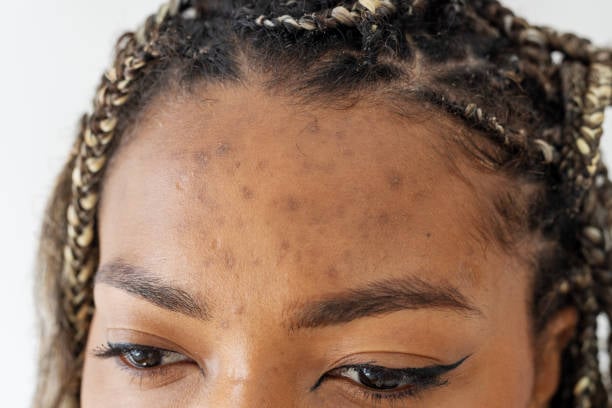
Acne is a common skin concern that can affect people of every skin tone, but treating breakouts on darker complexions requires an understanding of how melanin influences skin appearance and healing. People with deeper skin tones may experience acne alongside dark spots, uneven pigmentation, and changes in skin texture. Choosing an appropriate approach is important for improving skin clarity while maintaining an even complexion. With the growing availability of advanced skincare solutions, Acne Treatment in Abu Dhabi offers different approaches that can be selected according to individual skin characteristics and concerns. When treatments are properly assessed and customized, they can help manage breakouts while supporting healthier-looking skin. Understanding which methods are suitable for darker complexions can help individuals make informed skincare decisions.
Understanding Acne in Darker Skin Complexions
Acne develops when hair follicles become blocked with excess oil, dead skin cells, and other impurities. This can result in blackheads, whiteheads, inflamed pimples, and deeper blemishes. Although the underlying causes of acne are similar across different skin tones, its visible effects can vary.
In darker complexions, inflammation associated with breakouts may trigger increased melanin production. This can lead to post-inflammatory hyperpigmentation, which appears as brown, dark, or grayish marks after an acne lesion has healed. These marks may remain visible longer than the original breakout, making pigmentation an additional concern during acne management.
Understanding this difference is essential when selecting a treatment. The objective should not only be to reduce active acne but also to support an even skin tone and minimize the likelihood of persistent discoloration.
Is Acne Treatment Safe for Darker Skin?
Acne treatment can be safe and effective for darker skin complexions when the selected method is appropriate for the individual’s skin type, acne severity, and pigmentation concerns. However, not every skincare procedure is equally suitable for every complexion. Certain aggressive treatments or incorrectly selected settings may stimulate additional pigmentation.
Darker skin contains more melanin, which influences how it responds to different forms of energy, exfoliation, and inflammation. Therefore, treatment selection requires careful consideration of the skin’s natural characteristics. Gentle, customized approaches are often preferred when managing acne on melanin-rich skin.
A proper skin assessment helps determine the most appropriate treatment options. It also allows the treatment plan to address active breakouts without overlooking existing dark spots, uneven texture, or sensitivity. The goal is to improve overall skin appearance while respecting the skin’s natural pigmentation.
Why Does Melanin Matter During Acne Treatment?
Melanin is the natural pigment responsible for skin, hair, and eye color. It also plays a role in protecting the skin against certain effects of ultraviolet radiation. People with darker complexions generally have higher levels of melanin, which can influence their response to inflammation and cosmetic procedures.
When acne causes inflammation, the skin may produce additional melanin in the affected area. This process can result in post-inflammatory hyperpigmentation. Although these marks are not active acne, they can remain after pimples have disappeared.
Treatment approaches that create unnecessary irritation or excessive inflammation may contribute to further pigmentation concerns. This is why understanding melanin activity is particularly important when choosing exfoliating procedures, chemical peels, or energy-based treatments. A carefully selected approach can help address acne while reducing the likelihood of uneven skin tone.
Which Acne Treatments Are Suitable for Darker Complexions?
Several treatment approaches may be considered for individuals with darker skin, depending on their acne type and individual concerns. Topical treatments containing ingredients such as salicylic acid can help clear blocked pores and manage excess oil. Other formulations may focus on reducing inflammation, supporting skin renewal, and improving the appearance of acne-related discoloration.
Chemical peels may also be considered when appropriate. These procedures use selected exfoliating ingredients to encourage the removal of dead skin cells and improve surface texture. However, the strength, formulation, and application method are important considerations for darker complexions. Mild or carefully selected peels may be more appropriate than aggressive exfoliation.
Certain laser and light-based procedures can also be used to address specific acne concerns. However, darker skin tones require particular attention to wavelength selection, energy settings, and treatment protocols. Not every device is suitable for every complexion, making individualized assessment an essential part of the process.
The most appropriate option depends on whether the primary concern is active acne, clogged pores, inflammation, pigmentation, or uneven texture. Sometimes, a combination of approaches may be considered to address several concerns gradually.
Can Acne Treatment Improve Dark Spots on Darker Skin?
Acne treatment can help improve the appearance of dark spots, particularly when the treatment plan addresses both active breakouts and post-inflammatory hyperpigmentation. However, treating pigmentation requires a different focus from managing acne itself.
Ingredients such as azelaic acid and carefully selected exfoliating agents may help improve uneven skin tone by supporting skin renewal and reducing the appearance of discoloration. Some treatment approaches also target the processes responsible for excessive melanin production.
Consistency is important because pigmentation generally improves gradually. The depth of discoloration, skin characteristics, and treatment method can all influence how quickly visible changes develop. It is also important to prevent new breakouts because repeated inflammation may create additional dark marks.
A comprehensive approach that considers both acne and pigmentation can support a clearer and more balanced complexion over time.
What Should You Consider Before Starting Acne Treatment?
Before beginning any acne procedure, it is important to understand your skin’s specific needs. The type of acne, complexion, pigmentation history, and overall skin condition all influence treatment suitability. Someone experiencing occasional whiteheads may require a different approach from someone dealing with persistent inflammatory acne or deeper breakouts.
A professional skin assessment can help identify the underlying concerns and determine which procedures are appropriate. It is also useful to discuss previous skincare treatments, existing pigmentation, and how your skin has responded to exfoliation or cosmetic procedures.
Treatment intensity should be selected carefully, particularly when considering chemical peels or laser-based solutions. A gradual approach may help achieve improvements while minimizing unnecessary irritation. Understanding the expected treatment timeline also helps establish realistic expectations.
How Can You Maintain Results After Acne Treatment?
Maintaining improvements involves supporting the skin’s overall balance and reducing factors that contribute to recurring breakouts. A consistent skincare routine suited to your skin type can help maintain clearer-looking skin. Using gentle cleansing products and suitable moisturizers supports the skin barrier and helps maintain comfortable skin.
Sun protection is particularly important for darker complexions because ultraviolet exposure can make existing pigmentation more noticeable and persistent. Applying an appropriate broad-spectrum sunscreen helps protect the skin and supports more even-looking results.
It is also important to avoid excessive exfoliation or frequently changing skincare products. Introducing too many active ingredients at once can irritate the skin and make pigmentation concerns more difficult to manage. Following a consistent, personalized routine can help preserve improvements and support long-term skin health.
Final Thoughts
Acne treatment can be a suitable option for darker skin complexions when procedures and skincare products are selected according to individual skin characteristics. Although melanin-rich skin may have a greater tendency to develop post-inflammatory hyperpigmentation, this does not mean that effective acne management is unsuitable. The key is choosing an approach that addresses breakouts while considering pigmentation, skin sensitivity, and overall complexion.
Understanding the relationship between acne, inflammation, and melanin helps individuals make more informed decisions about their skincare. With a personalized treatment plan, appropriate techniques, and consistent skin maintenance, it is possible to improve breakouts, support a more even skin tone, and achieve healthier-looking skin.
FAQs
Is acne treatment safe for darker skin?
Yes, suitable acne treatments can be safe for darker skin when selected according to individual skin characteristics and pigmentation concerns.
Can acne treatments cause dark spots on darker skin?
Some treatments may contribute to pigmentation when they cause excessive irritation or inflammation, making proper treatment selection important.
Which acne treatment is suitable for darker complexions?
Suitable options may include topical treatments, carefully selected chemical peels, and certain laser or light-based procedures.
Can acne treatment remove post-inflammatory hyperpigmentation?
Some treatments can gradually improve the appearance of dark spots by supporting skin renewal and addressing uneven pigmentation.
Does darker skin require a customized acne treatment plan?
Yes, a personalized approach helps address acne severity, melanin activity, skin sensitivity, and individual pigmentation concerns.