





When ultraviolet (UV) radiation damages skin cells, your body responds with acute inflammation causing redness, heat, tenderness, and eventual shedding of compromised tissue. While reaching for quick home remedies is a natural instinct, many popular after-sun habits actually trap heat, irritate the compromised skin barrier, or introduce bacteria.
Treating a sunburn properly requires supporting the skin’s natural cellular repair cycle rather than disrupting it. Recognizing which remedies worsen tissue trauma helps prevent secondary infections, prolonged hyperpigmentation, and scarring.
1. Applying Heavy Oils, Butter, or Petroleum Jelly Too Early
One of the most persistent first-aid myths involves slathering butter, coconut oil, or thick petroleum jelly onto freshly burned skin.
While moisturizers are vital during the later recovery phase, occlusive ointments applied within the first 24 to 48 hours create a physical seal over the epidermis. Instead of soothing the burn, this barrier traps residual thermal energy inside the tissue, prolonging inflammation and worsening discomfort.
- What to do instead: Cool the skin first using damp compresses or a brief, cool shower. Once the heat has dissipated, apply lightweight, water-based lotions containing pure aloe vera or hyaluronic acid.
2. Popping Blisters or Peeling Loose Skin
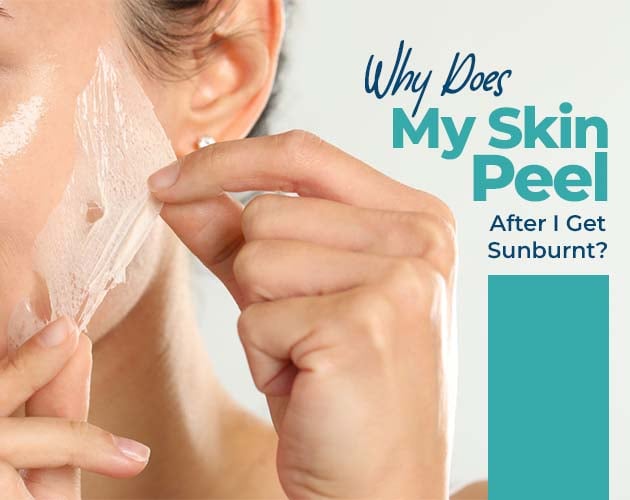
Moderate to severe UV exposure causes second-degree superficial burns, characterized by fluid-filled blisters and subsequent desquamation (skin peeling).
Blisters act as sterile biological dressings that protect fragile, regenerating basal skin cells underneath. Popping a blister or manually pulling away flaking skin strips away this protective cover prematurely, exposing raw tissue to Staphylococcus and Streptococcus bacteria.
To better understand the biological timeline of epidermal shedding and how to manage flaking safely, review this medical guide on why skin peels after getting sunburned, which outlines the cellular repair process in detail.
- What to do instead: Leave intact blisters undisturbed. If a blister breaks on its own, cleanse the area gently with mild soap and water, apply a thin layer of plain ointment to keep the wound bed moist, and cover it loosely with a non-stick sterile gauze pad.
3. Using Topical Anesthetics Containing Benzocaine or Lidocaine
Over-the-counter after-sun sprays frequently advertise instant pain relief using local anesthetics such as benzocaine or lidocaine.
Although these ingredients temporarily numb nerve endings, they carry a well-documented risk of causing allergic contact dermatitis, an immune reaction that triggers additional redness, swelling, and itching on top of existing UV damage. Additionally, applying high concentrations of topical anesthetics over large areas of damaged skin increases systemic absorption risks.
- What to do instead: Manage pain and swelling internally using over-the-counter oral nonsteroidal anti-inflammatory drugs (NSAIDs) like ibuprofen, provided they are safe for you to take. Oral NSAIDs reduce prostaglandin production, directly addressing both pain and localized swelling.
4. Putting Ice Directly on Burned Skin
Applying ice cubes or frozen gel packs directly to hot, inflamed skin feels tempting, yet extreme cold causes rapid vasoconstriction (narrowing of blood vessels) and can inflict localized frostbite known clinically as cold-induced thermal injury. Combining UV radiation damage with cold trauma compounds cellular injury and delays tissue recovery.
- What to do instead: Use a clean washcloth soaked in cool tap water and rest it gently on the affected area for 10 to 15 minutes at a time.
5. Exfoliating or Using Harsh Active Skincare Ingredients
When skin becomes rough, tight, or flaky days after sun exposure, using physical scrubs or chemical exfoliants to buff away dead cells is counterproductive.
Ingredients like glycolic acid, salicylic acid, retinoids, and benzoyl peroxide accelerate cell turnover on healthy skin, but on UV-compromised skin, they strip away the weakened stratum corneum, causing chemical irritation and increasing photosensitivity.
| Skincare Product / Habit | Effect on Sunburned Skin | Recommended Alternative |
| Physical Scrubs & Loofahs | Micro-tears fragile new skin; increases infection risk | Gentle cleansing with fingertips and lukewarm water |
| Retinoids & AHAs/BHAs | Severe stinging, barrier disruption, prolonged redness | Pause all active treatments until skin texture normalizes |
| Fragranced Body Lotions | Alcohols and synthetic perfumes trigger contact irritation | Fragrance-free, ceramide-rich moisturizers |
| Hot Showers | Strips natural lipids and intensifies blood flow/throbbing | Brief, cool or lukewarm showers without harsh soaps |
6. Ignoring Systemic Dehydration
A sunburn draws fluid away from the rest of the body toward the skin’s surface to facilitate the inflammatory response. Failing to increase fluid intake while recovering leaves you vulnerable to systemic dehydration, headaches, and dizziness, while also slowing down cellular repair in the epidermis.
- What to do instead: Drink extra water and electrolyte-balanced fluids for several days following significant sun exposure, even if you no longer feel overheated.
7. Returning to the Sun Before the Skin Fully Heals
Newly exposed skin beneath a healing burn lacks adequate melanin protection and possesses an immature barrier, making it highly susceptible to rapid, deeper UV injury. Heading back outdoors without full physical coverage compounds DNA damage in skin cells a primary driver of premature photoaging and skin cancers such as melanoma and basal cell carcinoma.
- What to do instead: Keep healing areas completely shaded or covered with tightly woven, sun-protective clothing (UPF 50+) until all redness, tenderness, and peeling have resolved.
When to Seek Medical Attention?
Most mild sunburns heal safely at home within 5 to 7 days. However, seek prompt evaluation from a healthcare provider or urgent care clinic if you notice any of the following warning signs:
- Blistering that covers more than 20% of your body surface area
- Systemic symptoms including high fever, chills, nausea, confusion, or severe headache
- Signs of localized skin infection, such as pus drainage, spreading red streaks, worsening swelling, or escalating pain after day three
- Signs of severe dehydration, including extreme thirst, dry mouth, or minimal urination
Frequently Asked Questions
How long does it take for a mild sunburn to heal completely?
Mild redness and tenderness typically peak within 12 to 24 hours after exposure and subside over 3 to 5 days. If the skin peels, complete surface renewal generally takes 7 to 10 days.
Is aloe vera gel safe to use on all sunburns?
Pure aloe vera gel is helpful for mild, unbroken skin redness due to its cooling and anti-inflammatory properties. However, avoid commercial green gels that contain added alcohol, menthol, or artificial dyes, and do not apply aloe directly onto open blisters.
Does applying vinegar or baking soda help neutralize a sunburn?
No. Household remedies like apple cider vinegar have high acidity that can chemically irritate damaged skin, while baking soda alters the skin’s natural acidic pH balance, impairing barrier recovery.
Conclusion
Protecting recovering skin comes down to simple, gentle care: cool the tissue safely, hydrate inside and out, leave blisters and peeling skin intact, and shield the area from further UV rays. By avoiding harsh topical remedies and letting your body’s natural repair mechanisms work uninterrupted, you reduce discomfort and protect your long-term skin health.