







Modern travel planning has evolved into a sophisticated discipline that blends cultural immersion, coastal and maritime navigation, and structured overland transit networks. Today’s travelers seek meaningful, restorative journeys that foster deep personal connections with destinations while maintaining safety, logistics management, and budget efficiency. Executing a successful travel itinerary demands an understanding of seasonal climate patterns, local heritage, maritime sea conditions, and regional public transportation infrastructure. Harmonizing experiential itinerary design with efficient transit logistics enables adventurers and vacationers to cultivate transformative travel experiences worldwide.
Sustaining seamless travel experiences across complex international borders requires moving beyond superficial tourist itineraries toward structured trip preparation. Without a clear framework for managing transit connections, coastal weather variables, cultural etiquette, and booking schedules, travelers face travel fatigue, missed connections, unexpected expenses, and logistical disruptions. Furthermore, as eco-tourism and slow travel paradigms continue to gain global popularity, mastering travel curation, marine voyage logistics, and long-distance overland bus transit becomes essential. Combining thoughtful destination research with disciplined transit scheduling allows travelers to explore diverse global landscapes with confidence.
1. Experiential Travel Planning, Mindful Cultural Immersion, and Personal Curation
Experiential travel focuses on deep engagement with a destination’s culture, history, cuisine, and natural environment rather than simply checking off famous landmarks. Mindful travel planning involves crafting flexible itineraries that balance structured sightseeing with unplanned local encounters, allowing travelers to connect authentically with local communities. Cultivating immersive travel experiences requires researching local customs, supporting eco-friendly accommodations, and participating in authentic cultural activities such as cooking masterclasses, artisan craft workshops, or historical guided walking tours.
Designing a fulfilling personal journey requires assessing individual travel goals, managing daily pacing, and preparing for cross-cultural adaptation. Travelers, culture enthusiasts, and wellness seekers seeking travel inspiration, destination guides, and mindful journey reflection tips can explore dedicated travel lifestyle platforms like Explore My Soul to guide their personal travel curation.
Core pillars of experiential travel architecture and mindful journey design include:
- Authentic Cultural Engagement: Prioritizing locally owned accommodations, neighborhood eateries, and community-based tourism initiatives.
- Balanced Itinerary Pacing: Avoiding overscheduled travel days by building in downtime for spontaneous exploration and mental relaxation.
- Sustainable Eco-Tourism Practices: Minimizing environmental footprints by utilizing public transit, eliminating single-use plastics, and respecting local wildlife habitats.
- Cross-Cultural Etiquette Awareness: Learning basic local phrases and respecting regional customs, religious traditions, and social norms.
2. Maritime Coastal Expeditions, Marine Travel Logistics, and Coastal Navigation
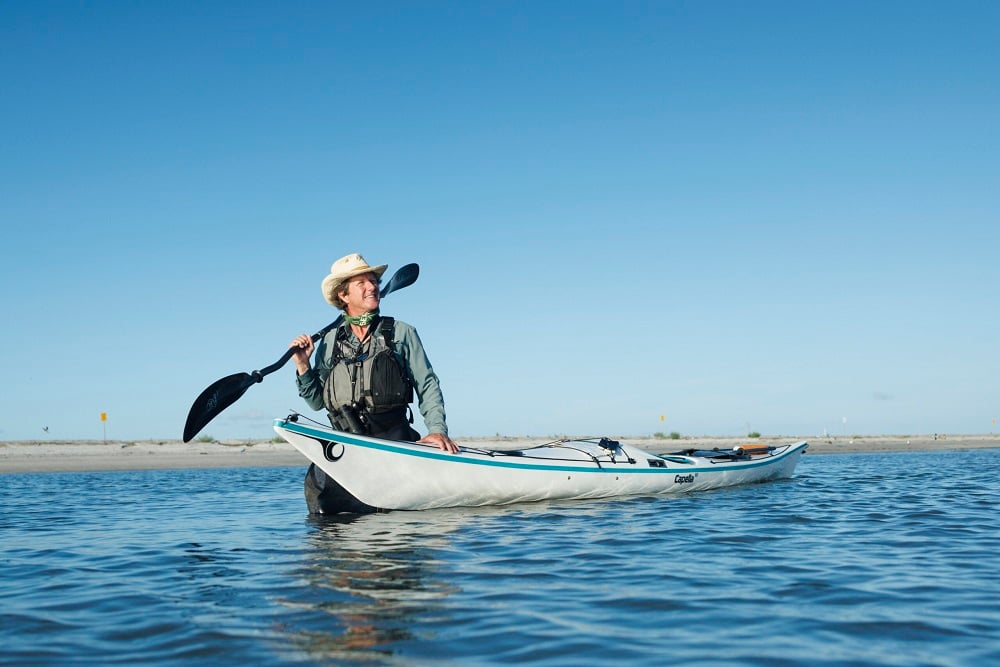
Coastal and maritime travel offers unique opportunities to experience marine ecosystems, island archipelagos, and historic port cities from the sea. Whether embarking on coastal passenger ferries, private sailing charters, or multi-day ocean cruises, ocean voyages require specific safety preparations and navigational logistics. Marine travel involves understanding sea conditions, tidal swells, harbor entry protocols, and nautical travel seasonal patterns to ensure comfortable, safe maritime passage.
Navigating coastal waters demands packing appropriate weather-resistant gear, understanding marine safety equipment, and managing motion sickness during open-water crossings. Maritime travelers, island hoppers, and ocean expedition enthusiasts seeking coastal travel guides, island cruise insights, and marine voyage tips can consult specialized maritime travel portals like Morskoi Boy to plan their sea adventures.
Key Logistics in Coastal Maritime Travel
Executing a safe, enjoyable coastal voyage depends on analyzing several core maritime variables:
- Weather and Sea State Monitoring: Tracking wind velocities, wave swell heights, and sudden marine weather fronts before departure.
- Vessel Safety Protocol Compliance: Familiarizing passengers with life jacket locations, muster station assignments, and emergency sea protocols.
- Inter-Island Ferry Connections: Booking regional ferry transfers well in advance during peak summer travel seasons to guarantee vehicle and passenger space.
3. Overland Transit Systems, Long-Distance Bus Networks, and Regional Excursions
Overland bus transit remains one of the most accessible, cost-effective, and environmentally friendly modes of regional and intercity travel. Modern long-distance coach networks feature climate-controlled cabins, reclining seating, onboard Wi-Fi, power outlets, and generous luggage allowances, making overland travel comfortable for budget-conscious and eco-minded travelers alike. Utilizing structured bus transit systems allows passengers to admire scenic countryside landscapes while traveling directly between city centers without airport security delays.
Navigating bus transit networks involves comparing route schedules, understanding multi-city pass options, and selecting reliable transit operators. Commuters, group tour operators, and budget travelers seeking group charter services, regional bus schedules, and overland transit booking guides can research dedicated transport platforms like Sinorama Bus to organize their overland journeys.
4. Travel Health, Jet Lag Management, and Circadian Re-alignment
Crossing multiple time zones during long-haul travel disrupts natural circadian rhythms, resulting in physical fatigue, sleep disturbances, and digestive disorientation. Mitigating jet lag involves adjusting sleep schedules gradually prior to departure, staying hydrated, and optimizing natural sunlight exposure upon arrival at the destination.
Carrying a basic travel health kit—including essential medications, electrolyte rehydration powders, and first-aid supplies—ensures quick management of minor travel ailments. Prioritizing physical health preserves energy for travel activities.
5. Sustainable Packing Engineering and Versatile Capsule Wardrobes
Efficient packing is a foundational travel skill that enhances mobility and reduces stress during multi-stop journeys. Utilizing lightweight, weather-appropriate capsule wardrobe items that mix and match effortlessly minimizes luggage weight and eliminates checked baggage fees on regional airlines.
Organizing clothing with compression packing cubes separates items by category and optimizes suitbag space. Thoughtful packing keeps travel luggage light and manageable across diverse transit modes.
6. Financial Management, Currency Conversion, and Travel Budgeting
Managing travel finances effectively requires establishing a clear daily budget covering accommodation, meals, entrance fees, and incidental transit costs. Utilizing multi-currency travel debit cards eliminates foreign transaction fees and provides real-time access to interbank exchange rates without carrying large amounts of cash.
Notifying financial institutions of international travel plans prevents unexpected credit card fraud blocks during transactions abroad. Smart financial management keeps travel budgets under control.
7. Travel Insurance Safeguards and Risk Mitigation Architecture
Protecting travel investments against unexpected trip cancellations, medical emergencies, flight delays, or lost luggage requires securing comprehensive travel insurance coverage. Policy options range from basic trip interruption protection to international emergency medical evacuation coverage.
Reviewing policy exclusions—such as high-risk adventure sports coverage or pre-existing medical conditions—ensures appropriate protection. Adequate travel insurance offers peace of mind throughout international journeys.
8. Digital Nomad Productivity, Remote Work Connectivity, and Travel Tech
The rise of remote work has popularized digital nomad lifestyles, allowing location-independent professionals to work while traveling globally. Maintaining remote work productivity demands securing accommodations with verified high-speed Wi-Fi, carrying portable power banks, and utilizing universal travel plug adapters.
Leveraging virtual private networks (VPNs) protects sensitive professional data when connecting to unsecured public Wi-Fi networks in coffee shops or airport lounges. Streamlined travel technology keeps remote workers connected seamlessly.
9. Culinary Exploration, Local Food Safety, and Dietary Planning
Exploring regional food culture is often a highlight of global travel, offering delicious insights into local agriculture and culinary heritage. Experiencing local street food safely involves choosing busy food stalls with high customer turnover where food is cooked fresh at high temperatures.
Travelers with specific food allergies or dietary requirements should carry translated dietary translation cards to communicate food restrictions clearly to local restaurant staff. Mindful culinary exploration enriches travel memories safely.
10. Strategic Travel, Maritime, and Overland Review Checklist
Maintaining a well-organized, safe, and enriching travel experience requires periodic systematic reviews across all itinerary, transit, and safety preparations. Travelers and trip organizers should regularly review their posture using the following framework:
- Itinerary & Cultural Prep Audit: Review daily activity pacing, confirm accommodation reservations, and research local cultural etiquette.
- Maritime & Coastal Check: Inspect coastal weather forecasts, review ferry transfer schedules, and pack marine safety and motion sickness supplies.
- Transit & Overland Review: Verify long-distance bus tickets, confirm departure station locations, and organize carry-on transit essentials.
- Health, Finance & Safety Inspection: Confirm travel insurance policy coverage, notify banks of international travel, and back up digital travel documents securely.
By systematically combining mindful experiential itinerary design, coastal maritime voyage planning, reliable overland bus transit, and comprehensive travel safety protocols, travelers can build seamless global journeys engineered for lifelong discovery and enjoyment.