




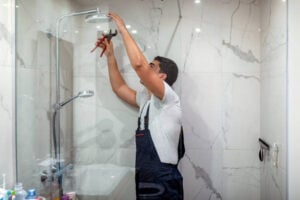
When a shower starts to stain, wobble, leak, or feel hard to use, it is fair to ask whether a repair is enough. Surface flaws can often be fixed, but repeated moisture problems or a failing base usually point to something bigger. Bathroom companies like Modern Technology Resources Inc. look at the shower as a whole system, not just the visible tile. For homeowners weighing shower replacement in Sacramento, CA, the right call depends on damage, safety, layout, and how much life the current enclosure has left.
Key Takeaways
- Cracked surfaces, soft floors, and repeated leaks can signal hidden damage.
- Replacement often makes more sense when the same repairs keep coming back.
- Layout, plumbing, ventilation, and accessibility should be reviewed together.
- A written project scope prevents surprises during the work.
How to Tell the Shower Has Reached Its Limit
A shower rarely fails in one dramatic moment. More often, small signs pile up. A bit of loose grout becomes a path for water, a dark mark near the floor points to moisture behind the wall, and a door that no longer seals lets water reach areas that were never meant to stay wet.
The first question is whether the problem is only on the surface. Fresh caulk or new grout can handle minor wear, but they will not fix a damaged shower pan, rotted subfloor, failed waterproofing, or a leak behind the wall. Many owners who end up choosing shower replacement in Sacramento, CA first spent months re-caulking the same corner, because the visible defect was only a symptom.
Warning signs that deserve a closer look:
- The floor feels soft, bouncy, or uneven when you step in.
- Cracked tile, loose panels, or broken grout keep showing up in the same spot.
- Water collects outside the enclosure even when the door or curtain is used carefully.
- A musty smell, stains, or mold come back after regular cleaning.
- The shower is hard to enter, exit, clean, or use safely because of its age or layout.
A slow leak is easy to miss because it may never drip through a ceiling or leave a puddle. Water can travel behind trim, under flooring, or into the wall cavity instead. A careful inspection should cover the shower pan, lower walls, nearby flooring, plumbing connections, and the subfloor where it can be reached.
Mistakes That Turn a Simple Upgrade Into a Bigger Job
One common mistake is covering an old problem with new material. New tile can make a shower look clean while damaged backing stays behind it. If water has already reached framing or the subfloor, that wet material has to be replaced before the new enclosure goes in, or the same problem returns under a nicer finish.
Another is focusing on looks and ignoring daily use. A tall curb, slick floor, narrow opening, or awkward valve position can make a new shower less comfortable than the old one. Think about who uses the shower now and how that may change in the next ten years.
The transition between the shower and the rest of the room is easy to overlook. Floor height, door swing, baseboards, and wall trim all affect how finished the project looks and how well it keeps water in. A quick sketch or site measurement reveals conflicts before materials are ordered.
Sacramento’s long, hot, dry summers can make old caulk shrink and crack faster. That alone does not mean replacement, but it does make regular checks worthwhile. A short look around corners, valve openings, and the threshold catches wear before it becomes a moisture problem.
Preparing for the Work
Document the problem before anything comes out. Photos of stains, cracks, loose trim, or water outside the enclosure help explain when and where the issue happens. Note whether it shows up after every shower or only when water hits a certain wall.
A replacement can tie up the bathroom for several days or longer, depending on demolition, repairs, inspections, and materials. Plan where everyone will shower during the work and move personal items away from dust. In a one-bathroom home, this detail is part of the decision, not an afterthought.
These steps keep the project clear:
- Confirm the shower size, door opening, drain position, and ceiling height.
- Choose fixtures and niche locations before the walls are closed.
- Ask how hidden damage will be documented and priced if found.
- Confirm who handles debris removal, final cleanup, and permits.
Material choices should balance looks with upkeep. Textured floor tile adds traction, and large-format wall panels cut down on grout lines. Neither replaces proper waterproofing and sealed connections, because installation details matter more than decorative features.
Planning the Replacement
Once it is clear the enclosure has reached the end of its life, the next step is not choosing tile. Start by deciding what the new shower must do. A good new shower installation plan might aim for easier cleaning, safer entry, more storage, better lighting, or a layout that works as mobility needs change.
The review should include the surrounding bathroom too. Tearing out an old shower can expose old drywall, damaged flooring, weak framing, or outdated supply lines. If the shower size or drain location changes, the job grows beyond a simple swap, so the scope should separate removal, repair, waterproofing, installation, and finish work.
Permits matter when the project changes plumbing, electrical, ventilation, or the room layout. Requirements differ between the City of Sacramento and the surrounding county, so confirm them before demolition. Do not assume every bathroom project follows the same process.
Before choosing a replacement plan, consider:
- Whether the existing drain, supply lines, and framing suit the new design.
- Whether a low-threshold or wider entry would improve daily safety and comfort.
- Whether tile, solid-surface panels, or acrylic will be easiest to clean.
- Whether the exhaust fan removes enough moisture to protect the new finishes.
- Whether the scope includes waterproofing, trim, fixtures, cleanup, and inspections.
The lowest first quote is not always the lowest total cost if it leaves out wall repair, disposal, waterproofing, or finish details. A clear proposal should explain what happens if hidden damage turns up once the old shower is out. Settling that before work starts beats reacting to each surprise.
Frequently Asked Questions
Can a shower be replaced without changing the bathroom layout?
Often, yes. Keeping the same footprint and drain location reduces disruption, but plumbing, framing, and surrounding surfaces still need inspection. A like-for-like replacement is simpler, though hidden water damage can still change the work.
Are cracks in grout always a reason to replace the shower?
No. A small area of failed grout can be repaired if the backing and waterproofing are still sound. Repeated cracks, loose tiles, movement underfoot, or moisture behind the wall suggest a deeper problem.
How long does a shower replacement take?
It depends on demolition, materials, plumbing changes, hidden damage, inspections, and custom items. A prefab panel system can go in within a few days, while a custom tiled shower with subfloor repair can take one to two weeks or more.
What is the most important part of a new shower?
Water control. The shower pan, wall waterproofing, corners, seams, and valve openings must work together. Attractive tile cannot make up for gaps or poor drainage underneath.
Should accessibility be considered even if it is not needed yet?
It is worth considering. A wider entry, grab-bar backing, a handheld shower, and a slip-resistant floor help future users without making the room look clinical, and planning them now avoids costly changes later.
Does replacing a shower always require a permit?
Not always. Replacing finishes is usually treated differently from moving plumbing, changing electrical, altering walls, or changing the layout. Confirm local requirements before work begins.
Making the Final Decision
A shower needs an upgrade when its problems go deeper than dated color or style. Repeated leaks, hidden moisture, unstable surfaces, poor access, and recurring repairs all deserve a closer look, and a careful inspection plus a realistic scope helps you replace for the right reasons.
Before scheduling work, list the problems you see, take clear photos, and note when leaks happen. Then have a qualified bathroom professional inspect the enclosure, pan, walls, plumbing, and ventilation, and ask for a written scope covering demolition, waterproofing, fixtures, cleanup, and permits. The goal is a shower that fits the room, supports safe daily use, and stays dry without constant repairs.