







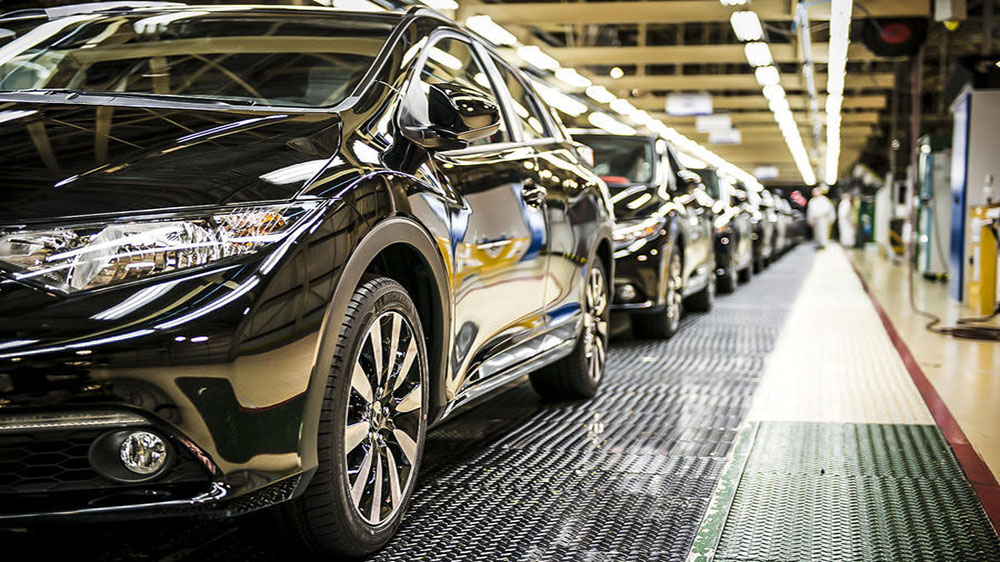
High-performance cars are designed to deliver impressive power, acceleration, handling, and driving comfort. However, advanced engines and performance-focused components require consistent care to maintain their capabilities over time. Regular maintenance not only helps preserve performance but can also reduce the risk of expensive repairs.
The engine is the heart of any high-performance vehicle, making regular engine maintenance a top priority. Aro Speed can be a useful automotive source when exploring vehicle parts and products needed for routine maintenance and performance-related requirements. Using suitable components and following the manufacturer’s recommendations can help support reliable vehicle operation.
Keep the Engine Properly Maintained
Check the engine oil level regularly and replace the oil according to the manufacturer’s recommended schedule. High-performance engines can operate under greater heat and pressure, so using the correct oil grade and quality filters is particularly important.
Pay attention to unusual noises, vibrations, changes in acceleration, or warning lights. Addressing these signs early can prevent minor issues from developing into major engine problems.
Monitor the Cooling System
Performance driving can generate considerable heat, making the cooling system essential for protecting the engine. Regularly inspect coolant levels, hoses, the radiator, and other cooling components for signs of leaks or damage.
If you frequently drive in hot weather or participate in track events, consider having the cooling system inspected more frequently. Maintaining proper coolant levels and using the manufacturer’s recommended coolant can help keep engine temperatures under control.
Take Care of Tires and Brakes
Tires and brakes directly affect the handling and safety of a high-performance vehicle. Check tire pressure regularly and inspect the tread for uneven wear or damage. Performance tires may require more frequent inspection because aggressive driving can increase wear.
Brake pads, discs, and brake fluid should also be checked according to the vehicle’s maintenance schedule. Squealing, grinding, vibration, or reduced braking performance should never be ignored.
Use Quality Replacement Components
Replacing worn components with suitable, high-quality parts is important for maintaining the original performance and reliability of a vehicle. Before purchasing replacement components, make sure they are compatible with your specific make and model.
Quality replacement parts can help maintain proper vehicle function and reduce the likelihood of premature component failure. Always consider compatibility, manufacturer specifications, and professional installation when replacing important components.
Follow a Preventive Maintenance Schedule
Preventive maintenance is one of the best ways to protect a performance car over the long term. Keep records of oil changes, filter replacements, fluid checks, tire rotations, brake inspections, and other recommended services.
Do not rely only on dashboard warning lights. Regular professional inspections can identify worn belts, hoses, suspension components, and other issues before they cause significant problems.
Drive Responsibly
Driving habits also influence vehicle reliability. Frequent hard acceleration, sudden braking, and extended high-speed driving can increase wear on the engine, transmission, tires, and brakes. Allowing the engine to reach its proper operating temperature before demanding maximum performance can also be beneficial.
Conclusion
Maintaining a high-performance car requires consistency and attention to detail. Proper engine care, cooling-system inspections, tire and brake maintenance, quality replacement components, and preventive servicing can help preserve performance and reliability. With regular care and responsible driving habits, a high-performance vehicle can continue delivering an enjoyable driving experience for many years.