





Many of us use our smartphones to capture quick snapshots of daily habits. You might snap a picture of a new desk setup to check your posture, photograph a skin reaction to see if it changes over time, or take a quick photo of a meal to remember ingredients. These images collect in camera rolls alongside grocery lists, receipts, and family outings, quickly getting buried under countless unrelated files.
When you revisit those photos months later, the original purpose is often lost. You may remember that you felt fatigued or changed a routine, but the exact details slip away. Creating a dedicated visual digital archive gives structure to these personal records, turning scattered snapshots into a meaningful timeline of your everyday health and lifestyle adjustments.
Why Context Matters When Saving Health Images
An image provides immediate visual evidence, but it rarely tells the complete story on its own. A photo of a swollen ankle or a modified exercise posture shows what something looked like at a single moment, yet it cannot explain the circumstances surrounding it. Without a note detailing your sleep quality, physical activity, or recent dietary changes, the picture loses much of its practical value.
Adding context transforms an ordinary image into a reliable record. In digital media, understanding the background of an image is central to understanding its true meaning. Creative platforms dedicated to visual storytelling, such as Story Wheel, demonstrate how important it is to explore the narrative behind every photograph. When documenting your personal wellness journey, applying that same principle ensures that every picture you save is accompanied by essential background notes, observations, and relevant symptoms.
A practical way to begin is by pairing each photo with a brief written log. Describe why you took the picture, how you felt at that exact moment, and any adjustments you recently introduced into your daily routine. Keeping these notes attached directly to the visual file helps you spot gradual patterns that might otherwise escape notice.
Setting Up a Simple Folder and Tagging System
To keep your archive usable, you need a storage structure that prevents health images from disappearing into your main photo stream. You do not need complicated software to achieve this. A standard folder system on your computer or phone, combined with consistent naming conventions, is usually the most dependable approach.
Start by creating a top-level folder on your primary device dedicated entirely to wellness records. Inside, create subfolders based on broad categories rather than specific dates. For instance, you might use categories for workspace ergonomics, physical therapy routines, nutrition logs, and skin observations. Grouping by topic makes it far easier to compare images over extended periods.
When saving new entries, adopt a straightforward routine to keep everything clear:
- Rename the image file with a descriptive label indicating the subject and specific focus.
- Create a short companion text document in the same folder to store your written notes.
- Apply consistent tags such as physical activity, sleep, or nutrition to speed up searches.
- Move the image out of your general camera roll immediately so it remains safely organized.
Consistency is far more important than complexity. A basic folder with descriptive file names will remain accessible for decades, even if you decide to change operating systems or switch devices down the road.
Connecting Personal Records with Reliable Health Reading
Keeping track of personal observations is only half of the equation. To make sense of your notes and pictures, you often need to consult broader wellness and lifestyle resources. Understanding how general health habits influence daily energy, posture, or digestion helps you ask better questions when speaking with medical professionals.
Rather than relying on unverified social media posts, make a habit of reading well-researched educational articles. Informative platforms like under-news.com offer helpful articles written by medical contributors covering nutrition, wellness habits, and healthy living practices. Exploring well-rounded publications provides helpful general knowledge that can inform the questions you write down in your personal archive.
When you find an article that sheds light on an issue you are tracking, save a link or summary in your companion text file. For example, if you are documenting ergonomic adjustments to reduce neck tension and read an article on desk ergonomics, note the main concepts alongside your posture photos. Linking educational material directly to your personal observations creates a comprehensive reference library tailored to your daily routine.
Cross-Referencing and Verifying Your Digital Sources
As your digital archive grows, you will likely accumulate dozens of reference links, guidebooks, and article summaries. A disorganized collection of links can quickly become overwhelming, making it difficult to locate the exact source you read weeks earlier. Maintaining clear research habits ensures that your reference materials remain trustworthy and easy to navigate.
It is equally vital to verify where your information originates before incorporating new routines into your lifestyle. Anyone who spends time researching topics online knows that false information spreads easily. Reviewing our companion guide on how to organize digital bookmarks can help you establish clear folders and verification steps for your saved reading materials.
Separate your research into distinct bookmark categories, such as professional wellness guidelines, practical exercise references, and meal planning resources. Add a quick note to each bookmark indicating why you saved it and whether the author holds relevant expertise. This disciplined approach ensures that your personal records reflect balanced, credible information rather than passing online trends.
Maintaining Privacy and Routine Maintenance
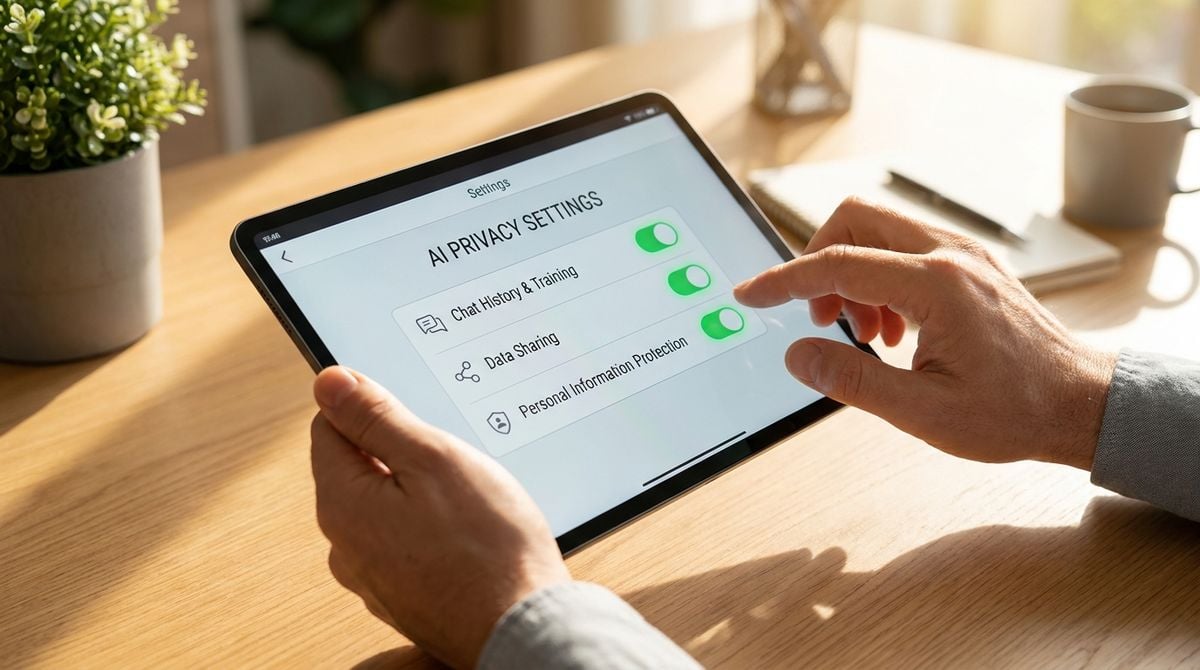
Personal health observations and photos require thoughtful security measures. Because these files contain private details about your life, you should take precautions to protect them from unauthorized access or accidental loss. Storing your archive on an encrypted external drive or within a private, password-protected folder on your primary computer adds a crucial layer of safety.
If you choose to synchronize your archive across multiple devices using cloud storage, ensure that multi-factor authentication is active on your account. Avoid sharing wellness folders through public links, and periodically audit which devices currently have access to your storage accounts. Simple security hygiene keeps your personal visual log confidential and protected.
Finally, establish a predictable habit of reviewing your archive every few months. Take a few minutes to clean out blurry pictures, remove duplicate notes, and archive older files that you no longer need on your mobile device. Regular upkeep prevents clutter from accumulating and ensures that your digital health journal remains a calm, functional, and genuinely helpful resource for your ongoing well-being.