


Mercedes owners are a funny group. The car feels so smooth and quiet that it’s easy to forget it needs anything. Then one day a warning pops up, the estimate lands, and everybody’s surprised. It’s rarely a surprise to us.
We work on German cars at European Auto Motors every day, and Mercedes Benz maintenance fills a good part of our week. So here’s the straight version. What gets missed, what it costs, and how to avoid it.
Why Mercedes Benz Maintenance Gets Skipped
Honestly, it’s because the car hides things well. Soft ride, quiet cabin, no drama. Problems build slowly under all that polish. A seal starts weeping, the coolant gets old, the brake fluid soaks up moisture, and none of it feels like anything from the driver’s seat. By the time you notice, it’s already expensive. Regular Mercedes Benz maintenance is basically catching all that while it’s still cheap.
The Oil Change Argument
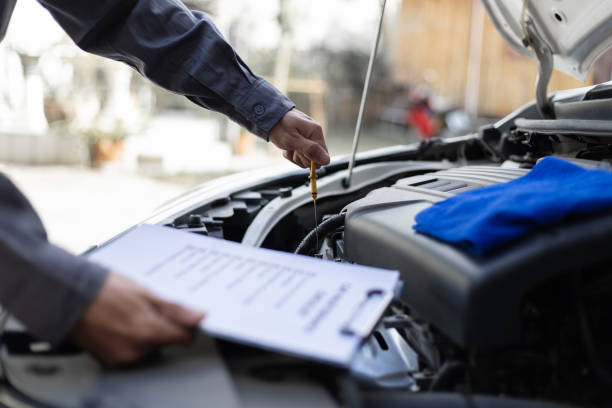
Dashboard says 10,000 miles or more. We say too long. These engines run hot and the oil wears out faster than the schedule admits, especially with short trips and city traffic. For most drivers, we like 5,000 to 7,500 miles with the correct approved synthetic. Cheap oil is a bad bet because the engines are picky about spec. Same logic applies to a Porsche oil change, by the way. Hot, tight engines don’t forgive tired oil. Whatever you drive, check the level between visits, since many of these engines burn a little as they age.
Fluids Nobody Thinks About
Brake fluid, coolant and transmission fluid. Out of sight, out of mind. Brake fluid takes on moisture, so every two years is smart. Coolant every four or five years. Transmission fluid is where people argue. Plenty of folks hear lifetime fill and believe it. Around 40,000 to 60,000 miles we’d change it anyway. Old fluid wears out clutches and valve bodies, and that repair is nowhere near small.
Brakes And Tires
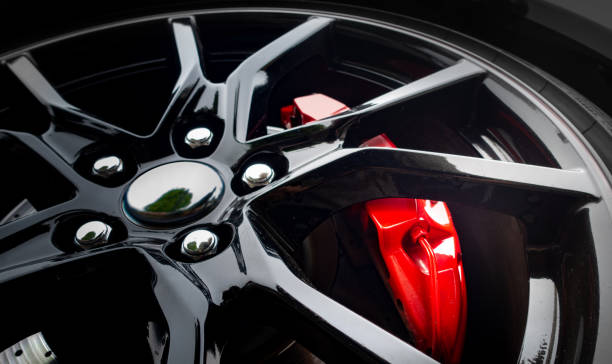
Mercedes brakes are strong, and they eat pads on heavier models. Watch the wear light and don’t ignore squealing. Tires matter more than people admit. Cheap tires change the way the car feels, and old ones are scary in the rain. Check the date codes. Around six years is time to replace them, even if the tread looks fine.
Suspension And Steering
This is where age shows up. Bushings get soft, the steering feels a bit floaty, and the car doesn’t track like it used to. On models with air suspension, a slow leak can leave one corner sagging overnight. Don’t wait on that one. A tired air spring puts extra stress on the compressor, and then you’re replacing two things instead of one. A quick inspection every year catches most of it.
Electronics And Warning Lights
Modern Mercedes cars are packed with modules and sensors. A warning light could be a loose gas cap or something real, and you can’t tell without a proper scan. Cheap parts store readers only show part of the picture. A shop with the right diagnostic tools can read every system, not just the engine. Batteries matter too. A weak one causes strange electrical problems that look expensive and turn out to be a battery. Test it every year.
Why A Specialist Makes A Difference
Not every shop that fixes cars should be touching a Mercedes. A european auto repair specialist sees these cars every week, so they know which models leak where, which sensors act up, and which recommended services you can safely skip. That experience saves you money even if the hourly rate looks higher. Ask a few things before you commit. Do they have Mercedes diagnostic equipment? Will they show you the old parts? Is the work under warranty? If the answers are vague, keep shopping.
Simple Mercedes Service Schedule
Rough guide, nothing fancy. Oil and filter every 5,000 to 7,500 miles. Brake fluid every two years. Coolant every four or five years. Transmission fluid around 40,000 to 60,000 miles. Spark plugs around 40,000 on most gas engines. Air and cabin filters once a year. Battery test yearly. Keep your receipts, too. A fat folder of records helps at resale and helps the next mechanic understand the car.
Conclusion
A Mercedes will look after you if you look after it. Oil on time, fresh fluids and honest inspections cover most of it. Mercedes Benz maintenance isn’t exciting, but it keeps small things small. That’s really the whole secret, and it works on every German car. Whether it’s a Mercedes in the driveway or a Porsche oil change on the 911 in the garage, the rule is the same.
If you’re not sure where your car stands, start with an inspection. Bring your records and a list of anything odd you’ve noticed. A good european auto repair specialist will tell you what needs attention now, what’s coming up and what can wait. And yes, we handle everything from a quick Porsche oil change to a full Mercedes inspection.
So call European Auto Motors. Routine Mercedes Benz maintenance, a second opinion on a scary estimate, or a Porsche oil change you’ve been putting off, we’ll tell you straight what your car needs. A little maintenance today beats a nasty surprise tomorrow.
Frequently Asked Questions
How often does a Mercedes Benz need maintenance?
About once a year or every 10,000 miles. Go sooner if you do lots of short trips or stop and go driving.
Is Mercedes Benz maintenance really that expensive?
More than a basic car, yes. But skipping service usually costs more in the end, and a good independent shop keeps it fair.
How often should I get a Porsche oil change?
Once a year or about every 10,000 miles is a solid baseline. Go shorter if the car sees hard driving or lots of short trips.
Why use a european auto repair specialist instead of a general shop?
They see these cars every week, have the right diagnostic tools and know the common problems, so they find the real cause faster and skip unnecessary work.
Can I use an independent shop without losing my warranty?
Usually yes, as long as proper parts and fluids are used and the work is documented. Ask about their experience with your exact model.