


A guy came into Red Cliffs Tactical, Inc. last fall with five hundred bucks and a plan to build “the best budget ar15 pistol anybody ever saw.” By the end of the week he’d spent eight hundred and still didn’t have a working gun. Parts he didn’t need, parts that didn’t fit, a trigger he ended up swapping anyway. It happens a lot, and it’s mostly avoidable.
So let’s talk about how to actually do this cheap without ending up with a pile of regret.
What Budget Really Means Here
Budget doesn’t mean junk. It means spending money where it counts and not spending it where it doesn’t. A cheap pistol that jams every other mag isn’t a deal, it’s a paperweight.
For most people, a fair budget ar15 rifle scopes lands somewhere between five hundred and eight hundred dollars, depending on what’s on sale and how much you build yourself. Go much lower and you’re usually cutting corners somewhere you’ll regret. Go higher and you’re drifting out of budget territory.
Figure out your number first. Then stick to it, which is the hard part.
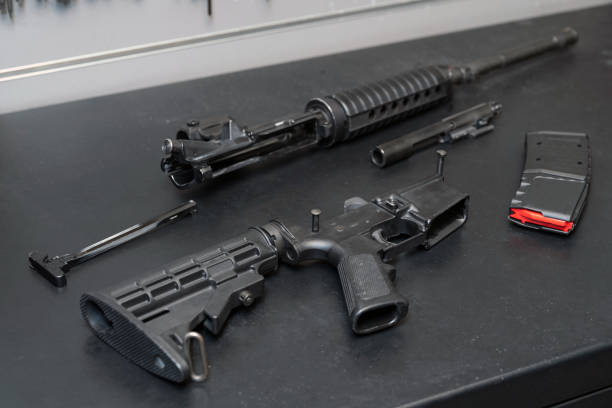
Buy Complete Or Build Your Own
Both work. Buying a complete pistol is simpler. You get a gun that’s been put together and function tested, and often with a warranty. Less headache.
Building is cheaper sometimes, and it’s a good way to learn how the gun works. But it takes time, a few tools, and patience. And if you buy mismatched parts, the savings disappear fast. I’ve seen plenty of builds cost more than a complete gun, mostly because of mistakes and returns.
If it’s your first AR, I’d lean toward buying complete and upgrading later. If you’ve built before, go ahead and build.
Barrel Length And Caliber
Most AR15 pistols run 7.5 to 12.5 inches. Shorter is more compact but louder, with more blast and less velocity. Around 10.5 is a nice middle spot for a lot of people, though it’s personal.
Caliber is usually 5.56 or .223 Wremington… well, .223 Remington, which is fine. Some folks go with 300 Blackout because it works well in short barrels. It’s a good round, but ammo costs more, so factor that into your budget. If you’re really watching dollars, 5.56 keeps range days cheaper.
Where To Save And Where Not To
Here’s the blunt part. Save on handguards, fancy grips, and cosmetic stuff. Nobody at the range cares what color your furniture is.
Don’t save on the bolt carrier group, the barrel, or the magazines. Those are what make the gun run. A bad bolt carrier group or a bargain bin mag will give you headaches. A decent trigger is worth a little extra too, because a gritty mushy trigger makes every shot harder than it needs to be.
If you can only upgrade one thing, start with the trigger or the magazines. Both are cheap and make a big difference.

Braces, Stocks, And The Legal Mess
This one changes a lot. Rules on pistol braces have been through court fights and rewrites, and they could shift again. Check current federal rules and your state and local laws before you buy or modify anything. Some places have limits on features, barrel length, or magazine size.
Don’t take advice from a random forum post that’s two years old. Ask a local dealer or a legal professional if you’re unsure. It’s a lot cheaper than a mistake.
Sights And Optics
A budget pistol doesn’t need a fancy optic. Iron sights work, though they’re hard on short guns because of the small sight radius. A basic red dot is a good first upgrade and it makes aiming much easier.
You don’t need anything expensive. A mid range red dot that holds zero and has decent battery life is plenty. Mount it right, tighten it down, and check it after a few mags.
Magnified optics are less common on pistols, but if you want one, a low power variable works. Just remember a short pistol isn’t the easiest platform to shoot at distance.
Magazines And Ammo
Magazines are the cheapest way to make your gun more reliable, so don’t skip them. Stick with known brands. Steel, aluminum, or good polymer, all work if the maker is solid. Skip the sketchy no name stuff.
For ammo, buy bulk when you can find it on sale. Practice rounds don’t have to be fancy. But test the gun with a few different brands, because some pistols are picky. Short barrels sometimes get fussy with certain loads.
Practice And Maintenance
Cheap guns need a little extra care. Clean it after range trips, lube the moving parts, check the screws. Short barrel pistols run hot and dirty, so don’t let it go too long between cleanings.
And shoot it. A lot of people buy a budget pistol and then never shoot enough to learn it. You’ll catch problems early if you run a few hundred rounds and pay attention to how it behaves.
Where To Try Before You Buy
If you can, handle a few pistols in person. Weight, balance, how the controls feel, none of that shows up on a spec sheet. Shoot a few models if you get the chance, or ask other shooters what they run and what they’d change.
A day at a range helps a lot here. You see real recoil, real blast, and real reliability, and you can compare notes with folks who’ve already made mistakes you can skip.

Conclusion
The best budget ar15 pistol isn’t the cheapest one. It’s the one that runs, fits your budget, and doesn’t force you to replace half of it in a month. Spend on the parts that matter, skip the cosmetic stuff, and test before you trust it.
Once you’ve got the pistol running, you’ll probably start thinking about optics. Do some homework on ar15 rifle scopes too, even if you’re only using a red dot for now, since a lot of the same mounting and zeroing rules carry over. Good glass and a solid mount always beat a pile of random accessories.
At Red Cliffs Tactical, Inc., we’d rather help you get it right the first time than sell you something twice. Check your local laws, ask questions, and take your time. And when you’re ready to upgrade, whether it’s a red dot or one of the many ar15 rifle scopes out there, buy quality where it counts and let the rest wait.
Frequently Asked Questions
What is the best budget AR15 pistol?
There isn’t one answer for everybody. Look for a pistol with a reliable bolt carrier group, a decent barrel, and a good magazine, in the five hundred to eight hundred dollar range. Complete guns from established makers are usually the safest bet.
Is it cheaper to build or buy an AR15 pistol?
Sometimes building is cheaper, but not always. Mistakes, returns, and tools can eat up savings. For a first AR, buying complete is often simpler and more reliable.
What barrel length is best for an AR15 pistol?
Most people like 7.5 to 12.5 inches. Around 10.5 is a popular middle ground between size and performance. Shorter barrels are louder and lose more velocity.
Can I use ar15 rifle scopes on a pistol?
You can, though most people stick with red dots or low power variables on pistols. A short gun isn’t the easiest platform for high magnification, so think about how you’ll actually shoot it.
What should I upgrade first on a budget AR15 pistol?
A better trigger or better magazines. Both are affordable and improve reliability and feel quickly. Cosmetic parts can wait until you know what you actually need.