






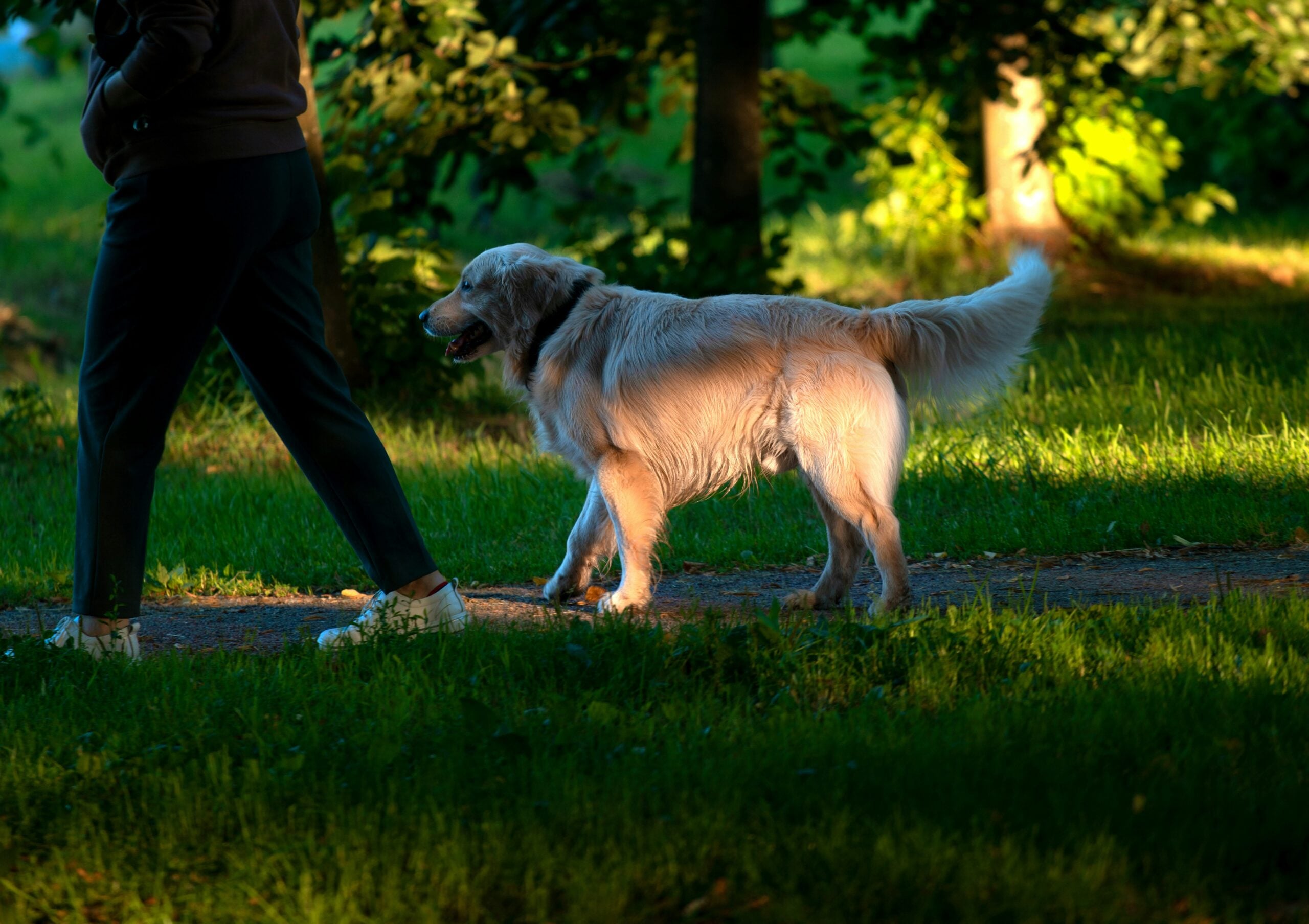
A dog can understand a familiar instruction in one moment and seem to forget it in another. Perhaps your dog waits patiently before dinner but becomes pushy when food is being prepared. Maybe your dog walks calmly at the beginning of an outing but starts pulling when something catches their attention. These differences can leave owners wondering whether their dog truly understands what is expected.
Often, the challenge is not simply teaching a command. It is helping the dog respond appropriately when circumstances change. A well-planned approach to Dog Trainer services can help owners identify these situations, establish clearer expectations, and practice useful behaviors in a structured way.
For families across Long Island, New York, Always Faithful Dog & Puppy Training offers private in-home lessons through its Leadership Dog Training approach. The focus is on improving communication between owners and dogs while developing practical skills that fit everyday life.
Understanding Why Dogs Respond Differently From One Situation to Another
Dogs do not automatically apply every learned behavior to every new setting. A response that works in a quiet room may become harder when the dog encounters an unfamiliar sound, an exciting smell, or an unexpected visitor.
This is why it is important to consider the circumstances surrounding a behavior instead of judging progress by one successful attempt.
Familiar Instructions Can Become Harder Under Pressure
Imagine that your dog reliably comes when called inside the house but hesitates when playing outdoors. The outdoor environment may offer more interesting distractions, and your dog may not yet have enough practice responding under those conditions.
The answer is not necessarily to repeat the cue more loudly. Instead, return to a manageable level of difficulty and build up gradually.
You can work toward stronger responses by:
- Practicing familiar cues in a quiet, low-distraction setting.
- Increasing the challenge only when your dog is responding consistently.
- Using a secure environment or appropriate leash management when practicing recall.
- Keeping practice sessions short enough to maintain attention.
- Reviewing the exercise if your dog repeatedly struggles.
Progress may look different from one dog to another. Age, temperament, past experiences, and the surrounding environment all influence how a dog learns.
Separate Excitement From Disobedience
A dog that becomes highly excited around visitors or other dogs may struggle to respond even when the owner has practiced a skill at home. Treating every unsuccessful response as deliberate defiance can make it harder to identify what the dog needs.
Observe the dog’s body language and the intensity of the situation. If the dog cannot settle or focus, increase the distance from the distraction, simplify the exercise, or pause the interaction when safe to do so.
A professional assessment can help determine which skills need attention and whether the behavior calls for additional support.
Build Reliability Through Small, Repeatable Exercises
Reliable behavior develops through practice, not through expecting a dog to perform perfectly after one lesson. Owners can make the process more manageable by choosing one skill and breaking it into smaller steps.
For example, teaching a dog to wait calmly at an open doorway can begin with a brief pause in a quiet setting. Once the dog understands the exercise, the owner can gradually introduce more realistic circumstances while maintaining safe control.
Create a Simple Practice Schedule
A consistent schedule helps prevent training from becoming something that happens only when a problem occurs. Choose a few everyday moments when you can practice without rushing.
A weekly plan might look like this:
- Monday: Practice a familiar cue in a quiet room.
- Tuesday: Work on a calm pause before beginning a routine activity.
- Wednesday: Review leash handling in a manageable environment.
- Thursday: Practice settling while the household is occupied.
- Friday: Repeat the skill that needs the most attention.
- Weekend: Review progress and identify what to practice next.
This is only an example, not a fixed program for every dog. Adjust the schedule to your dog’s age, energy level, health, and learning needs. Puppies, for instance, need appropriate rest and short learning opportunities rather than lengthy sessions.
The most important part is consistency. Repeated, manageable practice makes it easier to recognize what is improving and where more guidance may be useful.
What Private In-Home Lessons Can Address
Some behavior challenges are closely connected to the household environment. A dog may struggle with visitors, follow family members constantly, become excited during preparations for a walk, or have difficulty settling while daily activities are underway.
Private in-home lessons allow owners to discuss these concerns where they occur. They can explain their routines, demonstrate relevant situations when appropriate, and learn how to apply a training plan in the home.
Establish Rules That Work for the Whole Household
Dogs receive guidance from every person who interacts with them. If family members have different expectations, the dog may receive inconsistent information.
Consider a household where one person allows the dog to jump up during greetings while another expects all four paws to remain on the floor. The dog may continue jumping because the response to that behavior varies.
A shared plan should explain what the dog is expected to do, how family members should respond, and how to practice the alternative behavior.
Useful household priorities can include:
- Calm greetings when people enter the home.
- Appropriate boundaries around food and kitchen activity.
- A predictable routine for going outdoors.
- Comfortable rest periods without unnecessary interruptions.
- Consistent responses to familiar instructions.
These rules should be practical enough for everyone to follow. If a particular behavior is difficult to manage safely, seek qualified professional guidance rather than attempting a challenging exercise without support.
The Leadership Dog Training Approach at Always Faithful
Always Faithful Dog Training follows a Leadership Dog Training philosophy centered on owner-dog communication and consistent guidance. The company aims to help owners better understand their dogs and develop clearer expectations during everyday interactions.
Its stated philosophy is “No Treats, No Clickers, No Shock Collars, No Gimmicks.”
For prospective clients, understanding the trainer’s approach is an important part of choosing a service. Ask how the trainer evaluates your concerns, what the lessons involve, and how you will be guided through practice between appointments.
Owners Need Practical Skills, Not Just Instructions
A useful lesson should help an owner understand how to continue working with the dog after the session. That includes knowing when to practice, how to recognize difficulty, and how to adjust the environment when a situation becomes too challenging.
For example, if your dog is learning to remain calmer around visitors, you may need to plan greetings in advance and introduce the exercise at a level your dog can manage. The appropriate steps depend on the individual dog’s behavior and comfort.
Private training also creates an opportunity to discuss the owner’s questions directly. Rather than trying to follow generic advice that may not fit the situation, owners can seek guidance based on their specific goals.
Choosing a Dog Trainer on Long Island
Searching online for Dog Training near me is a useful starting point, but selecting a service requires more than comparing search results. Consider the behaviors you want to address, the training format you prefer, and how the trainer will help you continue practicing at home.
Before making a decision, ask a few practical questions.
What Should You Discuss During an Initial Consultation?
Your dog’s main challenges: Explain what happens, when it happens, and what you have already tried.
The training process: Ask how the trainer plans to approach your priorities and how the plan may change as your dog progresses.
Your role in the lessons: Find out what you will be expected to practice and how the trainer will help you understand each exercise.
Your preferred setting: If you want help with household behavior, ask whether private in-home lessons are available in your part of Long Island.
Realistic expectations: Ask how progress will be assessed and what factors may affect the timeline. Be cautious of guaranteed outcomes that do not account for individual differences.
If your dog has a history of biting, severe fear, or dangerous reactivity, disclose this before beginning training. Such concerns may require a qualified behavior professional and specific safety arrangements.
Make Training Part of Your Everyday Routine
Training does not have to take over your schedule. Many useful skills can be practiced during ordinary activities, provided the situation is safe and the exercise is appropriate for your dog.
You might practice a familiar cue before beginning a walk, encourage a calm pause before opening a door, or work on settling while you complete a quiet household task. These moments help you observe how your dog responds in practical situations.
Avoid introducing too many challenges at once. If your dog struggles, make the exercise easier and try again when conditions are more suitable. Recognize small improvements, and remember that rest and appropriate activity are important parts of a dog’s overall well-being.
The aim is to develop skills that remain useful beyond a formal lesson. With clear expectations and continued practice, owners can work toward more predictable interactions and a better understanding of their dogs.
Start a More Focused Training Journey on Long Island
Choosing a training service is an opportunity to look beyond a single unwanted behavior and consider the everyday skills you want your dog to develop. A clear plan, practical exercises, and consistent owner involvement can make the learning process more organized.
If you are searching for Dog Training near me on Long Island, Always Faithful Dog & Puppy Training offers private in-home lessons based on its Leadership Dog Training philosophy. You can discuss concerns involving puppy development, household manners, leash behavior, and communication with your dog.
Contact Always Faithful Dog & Puppy Training to request a free phone consultation and learn whether its approach is suitable for your dog and your location.
Start with one behavior you would like to improve, establish a realistic goal, and build from there. Every useful step can help you work toward a more manageable daily routine with your dog.