






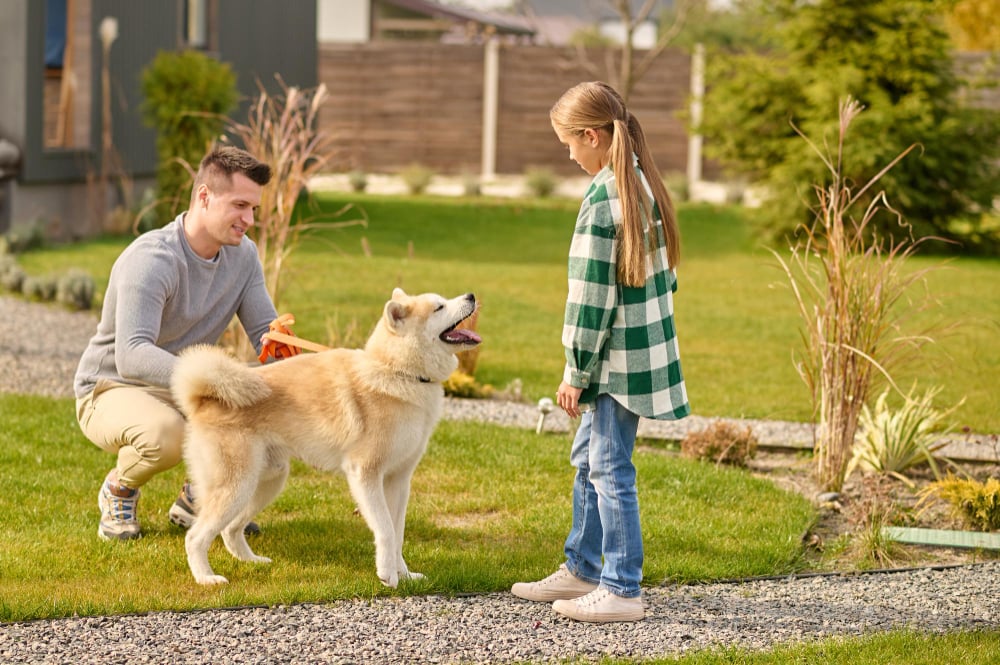
Every dog has a different personality, learning history, and set of needs. One dog may struggle to remain calm when someone visits, while another may pull on the leash or ignore familiar commands when something more interesting catches its attention. Although these challenges can look different, they share one important consideration: a training plan should reflect the individual dog rather than rely on a single solution for every situation.
Effective Dog training begins by identifying what you want to improve and establishing realistic steps toward that goal. For dog owners in Boston, MA, a thoughtful plan can make training more organized and help turn everyday interactions into opportunities to practice useful skills.
Always Faithful Dog & Puppy Training provides private in-home lessons through its Leadership Dog Training approach. The company’s philosophy emphasizes communication between dogs and owners, with a focus on helping people understand their dogs and establish clearer expectations.
Begin With the Outcome You Want to See
Before starting a training program, describe the behavior you would like to change. Instead of setting a broad goal such as having a well-behaved dog, identify a specific situation that would make daily life easier.
For example, you might want your dog to wait calmly before going outside, respond more reliably when called, or settle down while your family eats dinner. These goals are easier to evaluate because they describe an observable behavior.
Turn a Frustrating Habit Into a Practical Goal
Use the following examples to make your training priorities more specific:
- Leash pulling: Work toward walking with a manageable amount of tension on the leash rather than allowing every walk to become a pulling contest.
- Jumping on visitors: Establish a consistent greeting routine that encourages your dog to approach people more calmly.
- Ignoring familiar cues: Practice a known response in easier situations before gradually introducing distractions.
- Excessive excitement at home: Develop routines that help your dog transition from active periods to quieter activities.
- Puppy nipping: Identify the situations in which nipping occurs and create appropriate opportunities for rest, play, and learning.
A clear goal gives you a starting point. It also helps you explain your concerns to a professional trainer and determine whether the training plan is addressing the issue you originally wanted to improve.
Make Progress Easier to Recognize
Dog owners sometimes feel that training is not working because they focus only on whether a behavior has disappeared completely. In reality, progress may begin with smaller changes, such as a shorter period of barking, a quicker response to a familiar cue, or fewer reminders during a routine activity.
Keeping simple notes can help you recognize these improvements.
Use a Weekly Behavior Record
Choose one or two priorities and record what happens during relevant situations. You do not need a complicated spreadsheet or lengthy journal. A few brief observations can provide useful information.
Include details such as:
- The situation in which the behavior occurred.
- What your dog did and how long it lasted.
- What you did in response.
- Whether your dog was able to follow the expected behavior.
- What you may need to adjust during the next practice session.
For example, if your dog becomes excited when the doorbell rings, note whether your dog can respond to a familiar instruction before approaching the entrance. Over time, these observations can help you determine whether the exercise is becoming easier or needs to be simplified.
Avoid expecting identical responses every time. A dog’s behavior may vary with distractions, stress, fatigue, health, and the difficulty of the situation. If a behavior changes suddenly or appears connected to pain or distress, seek veterinary advice.
Why the Home Environment Belongs in the Training Plan
Training should prepare dogs for the situations they encounter with their owners. A skill practiced in a quiet setting may need additional work before it becomes reliable during an exciting or unfamiliar situation.
Private in-home lessons offer an opportunity to discuss challenges in the environment where they occur. Rather than describing every problem from memory, owners can show the trainer the relevant routines and receive guidance on how to approach them.
Examine the Small Moments That Shape Daily Behavior
Consider a dog that repeatedly runs toward the kitchen whenever food is prepared. The issue may involve several connected habits: following people closely, responding to food smells, and struggling to settle while the household is active.
A useful plan would identify the individual skills involved and address them in manageable steps. This might include establishing an appropriate resting area, practicing calm behavior during short food-preparation periods, and maintaining consistent household expectations.
The same principle can apply to other concerns. A dog that becomes overexcited before a walk may benefit from a more structured preparation routine. A puppy that struggles to settle in the evening may need a review of its daytime activity, rest opportunities, and household schedule.
The goal is not to correct everything simultaneously. It is to identify the most important starting point and build from there.
How Leadership Dog Training Fits Into the Process
Always Faithful Dog & Puppy Training uses a Leadership Dog Training philosophy that emphasizes the relationship and communication between the dog and owner. This approach focuses on helping owners understand their dog’s behavior and provide consistent guidance during everyday interactions.
The company’s stated philosophy is “No Treats, No Clickers, No Shock Collars, No Gimmicks.”
For prospective clients, it is useful to understand how a trainer’s philosophy translates into a practical lesson. Ask how the trainer will address your specific concern, what you will learn during the session, and how the recommended techniques should be practiced between appointments.
Training Should Include the Owner, Too
A training session is only one part of the process. Owners also need to understand how to apply the guidance independently when the trainer is not present.
For instance, if your dog is learning to respond more consistently to a familiar cue, you need to know when to practice, how to keep the exercise manageable, and what to do when your dog struggles. Clear instructions make it easier to maintain the same approach throughout the week.
Private lessons can also provide an opportunity to discuss differences between family members’ routines. When everyone understands the plan, the dog has a better chance of receiving consistent guidance.
Choosing the Right Type of Support in Boston
Searching for Dog Training near me can reveal a range of services, but the most suitable option depends on your goals and the level of support you need. Some owners want help establishing puppy routines, while others need guidance with leash manners, household behavior, or responses to distractions.
Before choosing a training service, consider the following factors.
Questions Worth Asking Before You Book
Does the service address your main concern?
Explain the behavior you want to improve and ask how the trainer would approach it. A clear discussion can help you understand whether the service fits your needs.
Will you learn what to practice between lessons?
Look for guidance that you can apply independently. Ask how the trainer explains exercises, evaluates progress, and adjusts the plan when something is not working.
Is the approach appropriate for your dog?
Age, temperament, health, past experiences, and the severity of a behavior can all affect the training process. More serious issues, including biting or significant fear, may require specialized behavior support.
Are the expectations realistic?
Training takes time, consistency, and practice. Be cautious of promises that guarantee a particular outcome or timeline regardless of the dog’s circumstances.
Does the service offer the format you prefer?
If you want to work on household routines directly, ask whether private in-home lessons are available and whether your specific location is within the service area.
These questions can help you compare options based on practical considerations rather than choosing a service solely because it appears first in search results.
Build a Routine That Supports Long-Term Learning
Once you have identified your priorities, make practice a manageable part of the week. A short session focused on one skill can be easier to maintain than a long session that attempts to address several unrelated behaviors.
Choose a time when your dog is able to pay attention, reduce unnecessary distractions at first, and increase the difficulty gradually. If your dog repeatedly struggles, return to an easier version of the exercise instead of continuing to make the situation more challenging.
It is also important to recognize when your dog needs a break. Rest, exercise appropriate to the individual dog, and opportunities to explore safely all contribute to daily well-being.
Consistency does not mean demanding perfection. It means continuing to provide understandable guidance, observing the results, and adjusting your approach when needed.
Take the Next Step With Always Faithful Dog & Puppy Training
A successful training plan starts with a clear understanding of your dog’s needs. By identifying specific goals, observing behavior, and practicing appropriate skills consistently, you can make training more focused and easier to evaluate.
If you are exploring Dog Training near me Boston MA, Always Faithful Dog & Puppy Training offers private in-home lessons based on its Leadership Dog Training approach. The service may be worth discussing if you want guidance with household manners, leash behavior, puppy development, or everyday communication.
Contact Always Faithful Dog & Puppy Training to request a free phone consultation, explain your concerns, and learn whether its training approach is suitable for your dog.
The next step does not have to involve changing every habit at once. Start with one meaningful goal, create a practical plan, and work toward progress that supports a better daily life for you and your dog.