





Comfort is one of the most important factors when choosing everyday clothing. While colours, patterns, and trends often attract attention, the way a garment is constructed determines how it feels during daily activities. From the placement of seams to the choice of fabric and the shape of sleeves, every construction detail can influence movement, breathability, durability, and fit. Clothing that looks attractive but feels restrictive may remain unused, whereas thoughtfully constructed garments can become reliable wardrobe essentials.
Understanding clothing construction helps shoppers make informed decisions about the garments they wear regularly. It also explains why two outfits made from similar materials can feel completely different. Brands such as Siddiqi World demonstrate the importance of considering garment details when exploring clothing that combines personal style with practical everyday wear.
1. Fabric Selection Determines Comfort
Fabric is one of the first elements influencing how clothing feels against the skin. Different materials have different levels of softness, breathability, stretch, and moisture absorption. These properties affect how comfortably a garment performs throughout the day.
Cotton is widely used for casual clothing because it is generally breathable and comfortable. Linen is another popular choice for warm weather because of its lightweight structure and airflow. Wool can provide insulation in colder conditions, while fabrics containing elastane can offer additional flexibility.
The best material depends on the garment’s purpose and the environment in which it will be worn. Lightweight fabrics may suit summer shirts, whereas heavier materials can work well for outerwear.
Fabric quality also matters. Rough textures, stiff finishes, or unsuitable material combinations can cause discomfort during extended wear. Checking the fabric composition and understanding its care requirements can help shoppers select clothing that suits their daily routines.
2. Proper Fit Supports Natural Movement
A garment’s fit influences comfort just as much as its fabric. Clothing that is too tight may restrict movement, while excessively loose garments can feel awkward or interfere with everyday activities.
Well-constructed clothing provides enough room for the body to move naturally. Shirts should allow comfortable shoulder movement, trousers should accommodate sitting and walking, and jackets should provide sufficient space for layering when needed.
Fit also varies according to the garment’s intended style. Tailored clothing typically follows the body’s shape more closely, while relaxed designs offer additional room. Neither option is automatically more comfortable; the result depends on accurate proportions and suitable construction.
When trying on clothes, consider movements beyond simply standing in front of a mirror. Sit down, raise your arms, bend your elbows, and walk a few steps. These actions can reveal pulling, tightness, or other fit issues that may become noticeable during everyday use.
3. Seam Placement Affects How Clothing Feels
Seams hold garment pieces together, but their placement and finishing can influence both comfort and appearance. Poorly finished seams may create friction against the skin, while bulky stitching can make certain areas feel uncomfortable.
Flat, smooth seams are particularly useful in garments worn close to the body. Shirts, dresses, and lightweight tops benefit from careful finishing that reduces irritation and maintains a clean interior.
Seam placement also affects movement. Seams positioned around the shoulders, underarms, and hips should accommodate the body’s natural range of motion. Reinforced stitching may be appropriate in areas that experience repeated stress, helping the garment maintain its structure over time.
For everyday clothing, inspect the inside as well as the outside. Neat stitching, secure thread ends, and smooth seam allowances can indicate thoughtful construction and may contribute to a more comfortable wearing experience.
4. Sleeve and Shoulder Construction Matters
The shoulder and sleeve areas play a significant role in upper-body comfort. If these sections are poorly proportioned, a garment may pull across the back, restrict arm movement, or create unwanted folds.
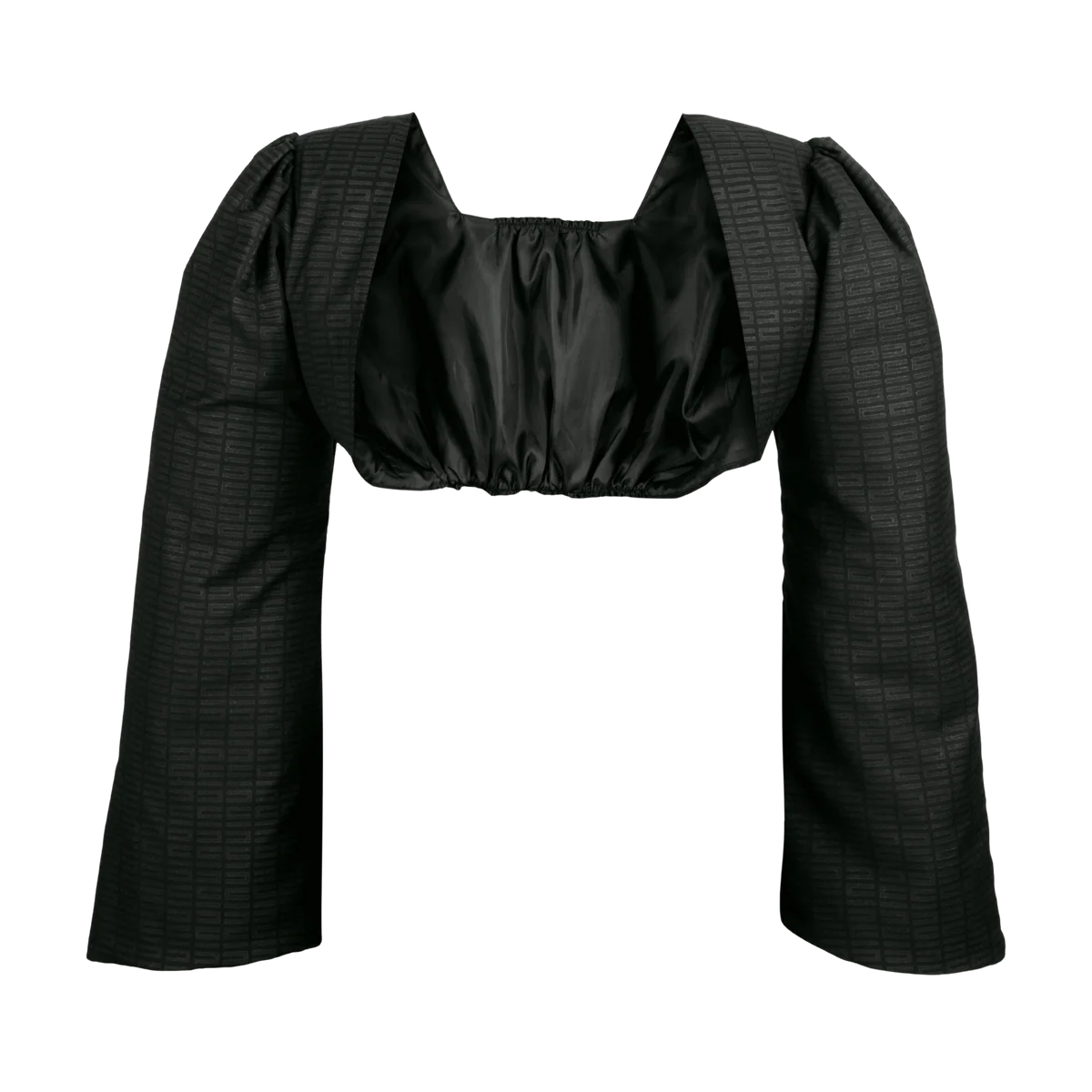
Different sleeve designs serve different purposes. Fitted sleeves create a streamlined appearance, while raglan sleeves use diagonal seams extending toward the neckline and can provide a different range of movement. Relaxed sleeves offer additional room, whereas structured sleeves help garments maintain a defined shape.
The armhole is equally important. An armhole that is too small may restrict movement, while one that is poorly shaped can cause the garment to shift when the arms are raised.
Siddiqi World reflects the value of paying attention to clothing details that contribute to both appearance and wearability. When selecting shirts, blazers, or dresses, checking shoulder alignment and sleeve comfort can help ensure that the garment works well throughout the day.
5. Breathability and Airflow Improve Daily Wear
Clothing construction affects how easily air circulates around the body. Breathability is especially important during warm weather, physical activity, and long periods spent outdoors.
Lightweight fabrics, suitable garment shapes, and appropriate openings can support airflow. Loose-fitting shirts may allow more air movement than tightly fitted alternatives, although the final result also depends on fabric structure and the surrounding conditions.
Layering can influence temperature as well. Wearing several heavy garments in a warm environment may lead to discomfort, while lightweight layers allow greater flexibility when temperatures change.
Construction details such as lining, fabric density, and garment length also affect how clothing feels. A lined jacket may provide structure and warmth, but its materials should suit the intended season.
Choosing clothing according to local weather and daily activities helps maintain comfort without sacrificing personal style.
6. Waistbands, Cuffs, and Closures Influence Fit
Small construction features often have a noticeable effect on everyday comfort. Waistbands, cuffs, buttons, zippers, and adjustable closures determine how securely a garment fits and how easily it can be worn.
An overly tight waistband may feel uncomfortable while sitting, whereas a poorly fitted waistband can cause trousers or skirts to shift during movement. Elasticated sections and adjustable closures can improve flexibility when appropriately designed.
Cuffs also influence comfort. Sleeves should remain in place without feeling restrictive around the wrists. Buttons and zippers should operate smoothly, and their placement should not create unnecessary pressure against the body.
These details are especially important in clothing worn for extended periods. A garment with well-designed closures can be easier to adjust, remove, and style for different situations.
7. Weight Distribution and Garment Structure
The way a garment distributes its weight can affect how it feels throughout the day. Heavy decorative elements, thick linings, or uneven construction may cause clothing to pull in certain areas.
Balanced construction helps garments sit naturally on the body. In jackets, for example, shoulder structure and lining influence how the garment hangs. In dresses, the distribution of fabric around the waist and skirt affects movement and the overall silhouette.
Lightweight garments are not always more comfortable, just as structured garments are not necessarily restrictive. The ideal balance depends on the garment’s purpose, fabric, and design.
For everyday use, consider whether a garment feels balanced when worn and whether its structure supports comfortable movement. Thoughtful construction should help clothing maintain its intended shape without creating unnecessary strain.
8. Durability and Maintenance Support Long-Term Comfort
Comfort is not limited to the first time a garment is worn. Clothing should ideally retain its fit, softness, and functionality after repeated use and washing.
Durable stitching, suitable fabric choices, and quality finishing can help garments withstand regular wear. Poorly constructed seams may loosen, while unsuitable materials may shrink, stretch, or lose their original texture.
Care instructions are another important consideration. Some fabrics require gentle washing or careful drying to maintain their shape. Others are designed for more convenient everyday maintenance.
Following the manufacturer’s care guidance helps protect the garment’s construction and extend its useful life. Before purchasing clothing, consider whether its maintenance requirements suit your schedule and lifestyle.
Conclusion
Clothing construction influences everyday comfort through fabric selection, fit, seam placement, sleeve design, breathability, closures, and durability. Each detail contributes to how a garment feels, moves, and performs during daily activities. By evaluating these features together, shoppers can choose clothing that balances attractive design with practical functionality.
Siddiqi World encourages a thoughtful approach to clothing by recognizing the importance of details that shape both style and wearability. Whether selecting casual outfits, professional garments, or distinctive fashion pieces, understanding construction can lead to more confident wardrobe decisions. When researching products associated with the phrase Security Sleeves in US, consider their intended purpose, material, fit, and construction to determine whether they meet your specific comfort and practical requirements.