




Choosing the right fabric for a wedding guest outfit is just as important as selecting the design, colour, or silhouette. The fabric influences how an outfit looks, feels, and moves throughout the celebration. From elegant silk dresses to lightweight chiffon ensembles and richly textured velvet outfits, different materials create different effects. The right choice can help you feel comfortable while maintaining a polished appearance during a wedding ceremony, reception, or festive gathering.
When selecting wedding guest clothing, it is important to consider the season, venue, time of day, level of formality, and personal preferences. A fabric that works beautifully for an indoor winter reception may feel uncomfortable at an outdoor summer wedding. Understanding the characteristics of common fabrics makes it easier to choose an outfit that balances elegance, practicality, and individual style.
1. Consider the Wedding Season
The season is one of the first factors to consider when choosing fabric for a wedding guest outfit. Temperature and humidity can influence how comfortable a material feels, particularly during long ceremonies and celebrations.
For summer weddings, lightweight and breathable fabrics can help you stay comfortable. Chiffon, lawn, and lightweight cotton blends may be suitable for daytime gatherings, depending on the outfit’s construction. Organza can also create an airy appearance, although its structure and lining may affect overall comfort.
Winter weddings often allow for richer fabrics such as velvet, heavier silk, and textured materials. These fabrics can create a luxurious appearance while offering more coverage. However, indoor heating and crowded venues should also be considered when selecting heavier clothing.
For spring and autumn celebrations, medium-weight fabrics can provide flexibility. Choosing materials according to the weather helps ensure that your outfit remains comfortable throughout the event.
2. Understand the Characteristics of Silk
Silk is a popular choice for formal clothing because of its smooth texture, natural lustre, and elegant drape. It can create a refined appearance without requiring excessive embellishment.
Different silk varieties offer different characteristics. Some have a fluid drape, while others provide more structure. This versatility makes silk suitable for formal shirts, long dresses, traditional suits, and sophisticated evening outfits.
Silk can work particularly well for wedding receptions and evening celebrations where a polished appearance is desirable. Rich colours and subtle embroidery can enhance its natural beauty.
However, silk garments may require careful handling and specialized cleaning, depending on the fabric and construction. Before purchasing a silk outfit, check the care instructions and consider whether you can maintain the garment properly after the event.
3. Choose Chiffon for Lightweight Elegance
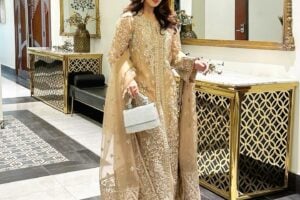
Chiffon is known for its lightweight, sheer appearance and flowing movement. It is commonly used for dupattas, sleeves, overlays, and dresses that benefit from a soft silhouette.
For wedding guests, chiffon can be a practical option for events where comfort and graceful movement are priorities. Its light texture can also balance heavily embroidered trousers or a more structured shirt.
Because chiffon is often transparent, garments may require suitable lining. The lining affects the outfit’s weight, coverage, and comfort, so it is worth examining the complete construction rather than considering the outer fabric alone.
Chiffon also works well with delicate embroidery and subtle embellishments. When paired with coordinated accessories, it can create a sophisticated look for daytime weddings, engagement ceremonies, and formal family gatherings.
4. Explore the Structure of Organza
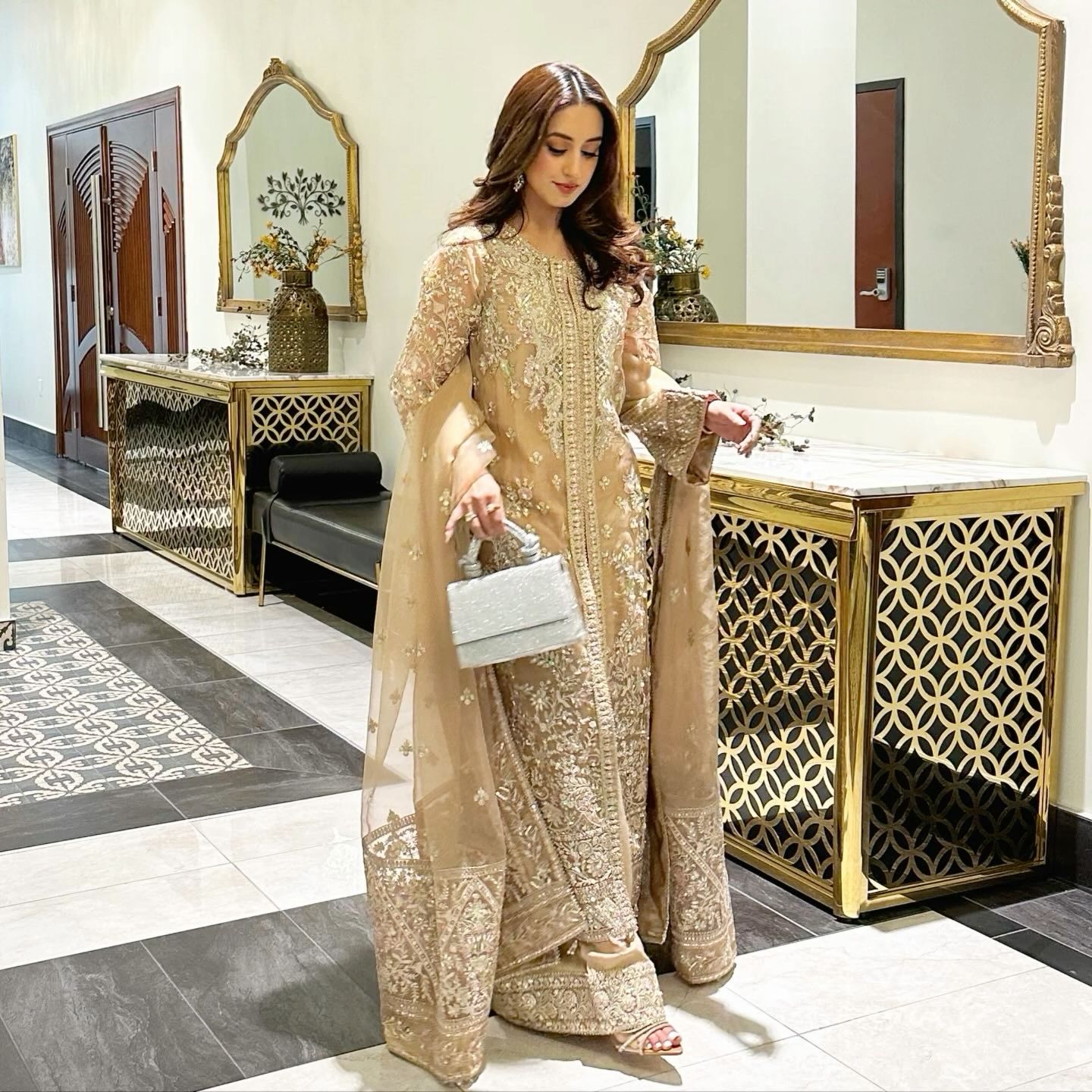
Organza is a lightweight fabric with a crisp texture that helps clothing maintain its shape. Unlike softer materials that fall close to the body, organza can create volume and defined silhouettes.
It is frequently used in dupattas, decorative sleeves, layered skirts, and statement details. Its slightly transparent appearance can add dimension to an outfit without making every element look heavy.
Organza may be suitable for wedding guests who prefer structured and contemporary formalwear. It can also complement traditional Pakistani outfits featuring embroidery or layered designs.
However, organza can feel stiff compared with softer fabrics, depending on its composition and finish. Consider how it feels against your skin and whether the outfit allows comfortable movement. A well-designed garment should combine the fabric’s structure with a practical fit.
5. Consider Velvet for Winter Celebrations
Velvet is often associated with winter weddings and formal evening events because of its plush texture and rich appearance. Its surface reflects light differently from smoother fabrics, creating depth and visual interest.
Velvet can be particularly effective in deep colours such as maroon, emerald green, navy, and plum. These shades often complement the fabric’s texture and work well with traditional embroidery or understated metallic accessories.
For wedding guests, velvet can be suitable for formal dresses, shirts, jackets, and traditional ensembles. It can provide a sophisticated look even when the design uses relatively simple embellishments.
Nevertheless, velvet can feel warm and heavy, making it less suitable for hot weather or crowded outdoor venues. Consider the event’s temperature and duration before choosing a velvet outfit.
6. Evaluate Fabric Quality and Construction
The name of a fabric alone does not determine the quality of a garment. Weave, fibre composition, finishing, lining, and stitching all influence how clothing looks and performs.
Before purchasing an outfit, examine the fabric closely. Look for consistent texture, neat seams, secure embellishments, and a lining that feels comfortable against your skin. Check whether embroidery creates excessive weight or pulls the fabric out of shape.
It is also useful to understand the difference between natural fibres and synthetic alternatives. Polyester blends, for example, can offer durability and easier maintenance, while their breathability and texture vary according to construction and quality.
Read product descriptions carefully and ask about fabric composition when information is unavailable. Understanding these details helps you make a more informed decision and choose clothing that suits your needs.
7. Match Fabric to the Wedding Venue
The venue can influence both the appearance and practicality of your outfit. Outdoor garden weddings, indoor banquet receptions, and destination celebrations may require different clothing choices.
For an outdoor daytime wedding, lightweight materials may be preferable, especially when temperatures are high. Fabrics that move comfortably and do not require constant adjustment can make the event more enjoyable.
Indoor evening receptions often provide greater flexibility for silk, velvet, organza, and embellished fabrics. However, consider the venue’s temperature, seating arrangements, and expected activities.
If the celebration involves dancing or moving between locations, select a fabric and silhouette that allow freedom of movement. An elegant outfit should be practical enough to wear comfortably for several hours.
8. Coordinate Fabric with Colour and Embellishments
Fabric texture affects how colours and decorative details appear. A deep shade may look especially rich on velvet, while lighter colours can highlight the delicate appearance of chiffon or organza.
For heavily embroidered outfits, consider fabrics that support the embellishments without becoming uncomfortable. Smooth materials can provide a balanced background for intricate threadwork, while textured fabrics may complement simpler decorative details.
Laadoo offers inspiration for exploring Pakistani formalwear that combines elegant silhouettes, refined fabrics, and distinctive design elements. When selecting a wedding guest outfit, consider how the material, colour, embroidery, and accessories work together rather than choosing each element independently.
The goal is to create a coordinated appearance that suits the celebration and reflects your personal taste.
Conclusion
Choosing the right fabric for a wedding guest outfit involves balancing seasonal comfort, visual appeal, quality, and practicality. Silk offers a refined finish, chiffon provides lightweight movement, organza adds structure, and velvet creates a rich appearance for cooler celebrations. By considering the venue, weather, garment construction, and level of formality, you can select an outfit that feels comfortable and looks appropriate for the occasion.
A carefully chosen fabric also helps your clothing remain useful beyond a single event, especially when the design can be styled with different accessories. Whether you prefer traditional silhouettes or contemporary formalwear, exploring Luxury Pakistani Clothing by Laadoo can provide inspiration for discovering elegant wedding guest outfits that combine beautiful fabrics with sophisticated styling.