






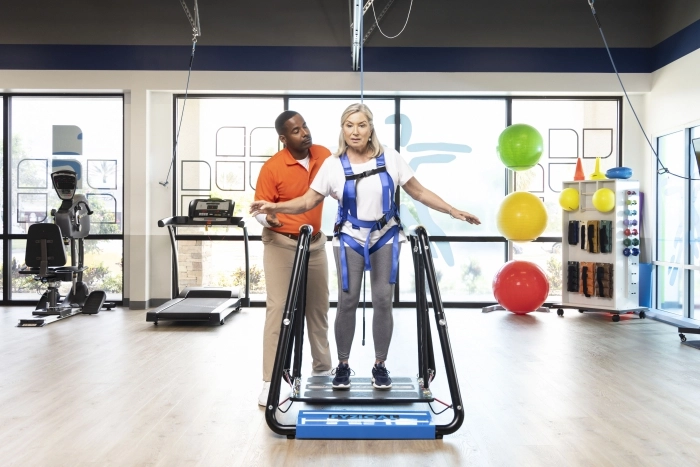
Orthopedic rehabilitation plays an important role in helping people recover from injuries, surgical procedures, and physical conditions that affect their muscles, bones, joints, and connective tissues. Everyday activities such as walking, climbing stairs, lifting objects, or getting out of bed can become challenging when pain or restricted movement interferes with normal body function. A structured rehabilitation program focuses on improving these abilities through appropriate exercises, movement training, and individualized care. With professional guidance, individuals can gradually rebuild strength, develop better flexibility, and regain confidence in their physical abilities.
At FYZICAL Therapy and Balance Centers – Marietta, the focus is on helping individuals understand their movement challenges and work toward practical recovery goals. Orthopedic rehabilitation Marietta GA services can support people dealing with different musculoskeletal concerns, including joint stiffness, muscle weakness, sports-related injuries, and recovery following surgery. Every person’s physical condition and recovery timeline are different, which makes an individualized approach important. Understanding the source of movement limitations allows a physical therapist to recommend suitable techniques and exercises that support steady progress.
Common Conditions That May Require Orthopedic Rehabilitation
Musculoskeletal problems can develop for several reasons, including accidents, repetitive movements, sports participation, aging, and everyday physical demands. Some individuals experience sudden injuries, while others gradually notice stiffness, discomfort, or reduced flexibility. Conditions affecting the knees, shoulders, hips, back, and neck can interfere with normal routines if they are not addressed appropriately. Rehabilitation helps individuals work on the physical limitations associated with these concerns while developing healthier movement habits.
Several common conditions may benefit from a professionally guided rehabilitation program:
-
Joint injuries: Problems involving the knee, shoulder, hip, or ankle can affect stability and movement.
-
Muscle strains: Overstretching or damaging muscle fibers may cause weakness and discomfort.
-
Sports injuries: Physical activities can sometimes result in ligament injuries, sprains, or overuse conditions.
-
Post-surgical limitations: Procedures involving joints or other orthopedic structures may require rehabilitation to restore function.
-
Back and neck problems: Restricted movement and muscular weakness can make ordinary activities uncomfortable.
Recognizing these concerns early can help individuals explore appropriate treatment options. FYZICAL Therapy and Balance Centers – Marietta encourages a thoughtful approach to physical recovery, where treatment recommendations are based on individual needs, medical history, and functional abilities. A qualified healthcare professional can assess symptoms and determine whether physical therapy is an appropriate part of the recovery process.
How Personalized Physical Therapy Supports Recovery
A successful rehabilitation experience begins with understanding the individual’s current physical abilities and recovery expectations. During an initial evaluation, a physical therapist may assess posture, joint movement, muscle strength, balance, flexibility, and functional mobility. This information helps identify areas that require attention and provides a foundation for developing realistic treatment goals. Instead of following the same routine for everyone, personalized care considers the person’s condition, activity level, and everyday responsibilities.
Orthopedic rehabilitation Marietta GA programs may include therapeutic exercises, mobility activities, strength development, and functional movement training. These approaches are selected according to the individual’s needs and adjusted as physical abilities change. For example, someone recovering from a knee injury may need exercises that improve lower-body strength and stability, while another person experiencing shoulder limitations may benefit from carefully selected mobility activities. Consistent participation and professional supervision can help individuals develop better movement control and work toward improved physical independence.
The Role of Strength and Flexibility in Physical Recovery
Muscle strength and joint flexibility are essential for maintaining comfortable movement throughout the day. When muscles become weak or joints lose their normal range of motion, even simple activities may require additional effort. Rehabilitation exercises can help address these limitations by gradually challenging the body in a controlled manner. Improving strength around affected joints may also provide better support during everyday movements, including walking, reaching, bending, and standing.
Flexibility training is another valuable part of many orthopedic treatment plans. Gentle stretching and guided mobility exercises can help improve movement patterns and reduce restrictions caused by stiffness. However, exercises should always match the individual’s physical condition and tolerance. Performing movements incorrectly or increasing activity too quickly may aggravate existing symptoms. A physical therapist can demonstrate proper techniques, recommend suitable exercise levels, and make adjustments as recovery progresses.
Rehabilitation After Orthopedic Surgery
Surgical procedures involving the knees, hips, shoulders, and other joints often require a period of rehabilitation. Although surgery may address an underlying structural problem, restoring strength, coordination, and functional movement usually takes additional time. Physical therapy can help individuals gradually return to activities by following a recovery plan that respects medical instructions and the body’s healing process.
The rehabilitation process may involve several stages, depending on the procedure and the surgeon’s recommendations. Early activities might focus on gentle movement and managing physical limitations, while later sessions may introduce strengthening exercises, balance activities, and functional training. At FYZICAL Therapy and Balance Centers – Marietta, individuals can explore rehabilitation support designed around their recovery requirements. Following professional guidance and maintaining realistic expectations can make the transition back to daily responsibilities more manageable.
Why Balance and Coordination Matter During Rehabilitation
Balance and coordination are important components of physical independence. They help people maintain stability while walking, changing direction, standing from a seated position, and navigating different surfaces. Injuries, weakness, joint problems, and certain medical conditions can interfere with these abilities. When balance becomes less reliable, individuals may feel uncertain during everyday activities and become more cautious about movement.
Rehabilitation may include exercises that improve postural control, body awareness, and coordination. These activities can involve controlled weight shifting, supported standing movements, and walking exercises suited to the person’s abilities. A physical therapist can assess stability concerns and determine which techniques are appropriate. Developing better balance can support safer movement and help individuals feel more comfortable participating in their usual routines.
Building Healthy Movement Habits for Long-Term Results
Recovery is not limited to completing therapy appointments. The movement habits individuals develop outside the treatment environment can also influence their physical well-being. Maintaining appropriate activity levels, using correct lifting techniques, taking movement breaks, and following prescribed exercises can contribute to better physical function. Small adjustments to daily routines may help reduce unnecessary strain and encourage more comfortable movement.
FYZICAL Therapy and Balance Centers – Marietta recognizes the value of education throughout the rehabilitation journey. Learning how the body responds to different movements allows individuals to make more informed decisions about physical activity. A therapist may provide guidance on home exercises, posture awareness, activity modification, and gradual progression. These recommendations should reflect the person’s current abilities rather than relying on a general routine that may not be suitable for everyone.
Choosing the Right Rehabilitation Support in Marietta
Selecting an appropriate rehabilitation provider is an important decision for anyone experiencing movement difficulties or recovering from an injury. Individuals should consider the provider’s qualifications, treatment approach, communication style, and ability to address their particular concerns. A clear understanding of treatment goals can also help patients feel more involved in their recovery.
When exploring orthopedic rehabilitation Marietta GA options, it is helpful to look for care that considers both immediate limitations and longer-term functional goals. FYZICAL Therapy and Balance Centers – Marietta provides a local point of contact for individuals interested in physical therapy and movement-related support. Asking questions about evaluations, treatment recommendations, exercise expectations, and progress assessments can help individuals understand what to expect before beginning a rehabilitation program.
Conclusion
Orthopedic rehabilitation can make an important difference in how individuals manage injuries, recover after surgery, and address physical limitations that interfere with everyday life. Through guided exercises, strength development, flexibility training, and functional movement activities, rehabilitation aims to improve physical abilities while supporting a gradual return to normal routines. The right treatment approach depends on each person’s condition, goals, and recovery requirements.
FYZICAL Therapy and Balance Centers – Marietta offers an opportunity for local residents to explore professional physical therapy support for their movement and recovery needs. Whether someone is dealing with joint discomfort, recovering from an orthopedic procedure, or hoping to improve everyday mobility, a personalized rehabilitation plan can provide a structured path forward. With appropriate professional guidance, consistent participation, and realistic expectations, individuals can work toward better movement, greater confidence, and improved physical independence.