




Introduction
Hair restoration has become an increasingly popular option for individuals experiencing hair thinning, receding hairlines, or noticeable hair loss. Among the available techniques, Follicular Unit Extraction (FUE) is widely recognized for its minimally invasive approach and ability to create natural-looking hair restoration results. Understanding the factors that influence successful outcomes is important for anyone considering this procedure. FUE Hair Transplant in Abu Dhabi offers an approach to restoring hair density by transferring individual hair follicles from a donor area to regions experiencing hair loss. However, the final appearance and overall success of the procedure depend on several important factors, including hair characteristics, donor hair quality, scalp condition, treatment planning, and post-procedure care. Understanding these elements helps individuals develop realistic expectations and make informed decisions about their hair restoration journey.
Understanding the FUE Hair Transplant Technique
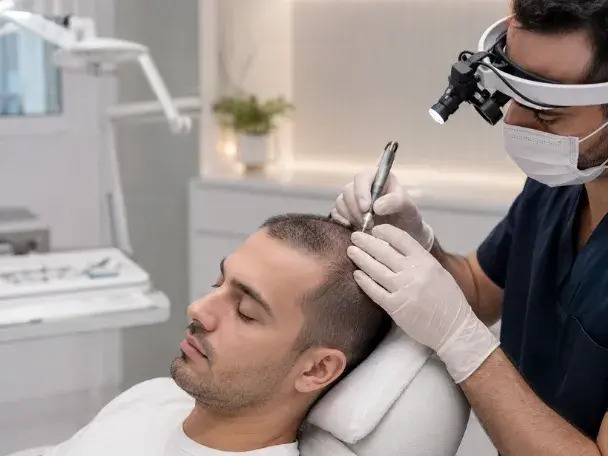
FUE is a hair restoration technique in which individual follicular units are extracted from a donor area, usually the back or sides of the scalp. These follicles are then carefully placed into areas affected by hair thinning or hair loss. Unlike traditional strip-based techniques, FUE does not require removing a large section of scalp tissue.
The technique focuses on preserving individual follicles during extraction and implantation. Proper handling and placement are important because each follicle contributes to the overall appearance, density, and direction of the restored hair. The objective is to create a balanced hairline and natural coverage that complements the individual’s facial features.
Quality of Donor Hair
The quality of donor hair is one of the most important factors influencing FUE hair transplant results. Donor follicles are generally collected from areas of the scalp that are less affected by common patterns of hair loss.
Hair thickness, texture, density, and follicular strength can influence the final appearance. Thicker hair strands may provide more visual coverage, while finer hair may require a different placement strategy to achieve a balanced result.
The availability of healthy donor follicles also determines how much coverage can be achieved. Individuals with a strong donor area may have more options for addressing thinning regions. Careful assessment of donor hair helps establish realistic expectations and supports effective treatment planning.
Individual Hair Characteristics
Every individual has unique hair characteristics that can influence the appearance of transplant results. Hair colour, natural texture, strand thickness, and curl pattern all contribute to the visual outcome.
For example, curly or wavy hair may create the appearance of greater volume because individual strands cover a wider visual area. Straight hair may require more careful distribution to achieve a similar appearance.
The contrast between hair colour and scalp tone can also affect how dense the transplanted area appears. When there is a significant contrast, the scalp may remain more visible between individual strands. Considering these characteristics during treatment planning helps create results that complement the individual’s natural appearance.
Extent and Pattern of Hair Loss
The extent of existing hair loss plays an important role in determining the expected outcome. Individuals experiencing mild or moderate thinning may have different restoration requirements compared with those who have extensive hair loss.
The pattern of hair loss also influences follicle distribution and treatment planning. Some individuals primarily experience a receding hairline, while others notice thinning around the crown or throughout the upper scalp.
Understanding the affected areas allows the restoration plan to focus on suitable coverage. It is also important to consider the possibility of continued natural hair loss because existing hair may become thinner over time. A carefully planned approach considers both current concerns and potential future changes.
Experience and Precision in the Procedure
The precision involved in extraction and implantation can significantly influence FUE hair transplant results. Each follicular unit must be handled carefully to preserve its structure and support successful placement.
Extraction requires attention to the angle, depth, and direction of individual follicles. Careful implantation is equally important because the natural growth direction and angle help determine how the restored hair will look.
Hairline design also requires attention to facial proportions and natural hair growth patterns. An excessively straight or densely designed hairline may appear unnatural. A balanced design aims to complement existing facial features while maintaining a natural appearance.
Number of Grafts and Hair Distribution
The number of grafts used during an FUE hair transplant is another important consideration. A graft may contain one or several hair follicles, depending on the natural follicular grouping.
The required graft quantity depends on the size of the treatment area, existing hair density, donor availability, and desired coverage. However, a greater number of grafts does not automatically guarantee better results.
Strategic distribution is important for creating a natural appearance. Single-hair grafts may be suitable for the front hairline, while multi-hair grafts can contribute to greater density behind it. Appropriate placement helps create a gradual transition between the hairline and the surrounding scalp.
Scalp Health and Skin Condition
The condition of the scalp can influence the overall hair restoration process. A healthy scalp provides an important foundation for follicle placement and healing.
Factors such as scalp circulation, tissue condition, and existing skin concerns may be considered during the initial assessment. The condition of the recipient area can also influence treatment planning.
An appropriate evaluation helps identify individual requirements and determine whether additional attention is needed before proceeding. Maintaining suitable scalp care according to professional guidance can support the overall restoration process.
Post-Procedure Care and Recovery
Post-procedure care is another important factor influencing the final appearance of transplanted hair. Following the recommended instructions helps protect the treated areas during the initial recovery period.
The scalp requires time to recover after follicle extraction and implantation. Individuals may receive specific guidance regarding washing, sleeping positions, physical activities, and scalp protection.
Avoiding unnecessary pressure or friction on the treated area is particularly important during the early recovery stage. Following professional recommendations helps maintain a suitable environment for the transplanted follicles.
Recovery experiences can differ between individuals, so it is important to understand that the timeline may not be identical for everyone.
Hair Growth Cycle and Result Timeline
Hair transplantation results develop gradually because transplanted follicles follow natural hair growth cycles. Initial shedding of transplanted hair can occur during the early stages, which is generally considered part of the expected growth process.
New hair growth usually becomes noticeable over the following months. As time passes, the transplanted hair gradually develops greater length and coverage.
The final appearance may take approximately 9 to 12 months to become more evident, although some individuals may require additional time to appreciate the full outcome. Patience is important because hair restoration is a gradual process rather than an immediate transformation.
Age and Long-Term Hair Loss Patterns
Age and individual hair loss patterns can also influence long-term FUE hair transplant results. Hair loss may continue to progress even after a successful procedure, particularly in individuals experiencing hereditary hair thinning.
Younger individuals may have changing hair loss patterns, making long-term planning especially important. A suitable restoration strategy considers the possibility that additional areas may become thinner in the future.
Understanding these changes helps establish realistic expectations and supports a balanced approach to hair restoration. The objective is not only to improve current hair coverage but also to maintain a natural appearance as hair characteristics change over time.
Realistic Expectations and Personalised Planning
Realistic expectations are essential when considering FUE hair transplantation. Although the technique can improve hair coverage and create a fuller appearance, individual outcomes vary.
Factors such as donor hair availability, scalp condition, existing hair density, and the extent of hair loss determine what may be achievable. Some individuals may prioritise restoring their frontal hairline, while others may focus on improving crown coverage.
Personalised treatment planning helps align the procedure with individual needs and natural hair characteristics. Understanding the expected level of coverage and the gradual growth timeline can make the overall experience more manageable.
Conclusion
Several factors influence FUE hair transplant results, including donor hair quality, hair thickness, scalp condition, the extent of hair loss, graft distribution, and the precision of follicle placement. Post-procedure care and natural hair growth cycles also contribute to the final appearance. Every individual has different hair characteristics and restoration requirements, which means results can vary. Understanding these factors helps establish realistic expectations and highlights the importance of personalised planning. With appropriate assessment, careful follicle handling, and suitable recovery practices, FUE hair transplantation can support natural-looking hair restoration and improved hair coverage.
Frequently Asked Questions
What is the most important factor influencing FUE hair transplant results?
Donor hair quality is one of the most important factors because the thickness, density, and availability of healthy follicles influence the potential coverage and appearance.
How does hair thickness affect FUE hair transplant results?
Thicker hair strands can create the appearance of greater coverage, while finer strands may require more strategic placement to achieve a balanced look.
How long does it take to see FUE hair transplant results?
Initial growth generally develops over several months, with more complete results often becoming noticeable within approximately 9 to 12 months.
Does the number of grafts determine the final outcome?
The number of grafts contributes to coverage, but their quality, survival, placement, and distribution are equally important for achieving natural-looking results.
Can existing hair loss affect transplanted hair results?
Continued hair loss can change the overall appearance of the scalp over time. Long-term treatment planning considers both transplanted and existing hair.
Does scalp condition influence FUE hair transplantation?
Yes. Scalp condition is considered during treatment planning because the health and characteristics of the recipient area can influence the restoration process.
Why is post-procedure care important after FUE hair transplantation?
Following professional aftercare instructions helps protect the treated area during recovery and supports the conditions needed for transplanted follicles to develop.
Are FUE hair transplant results the same for everyone?
No. Results vary according to individual hair characteristics, donor availability, hair loss patterns, scalp condition, and treatment planning.