




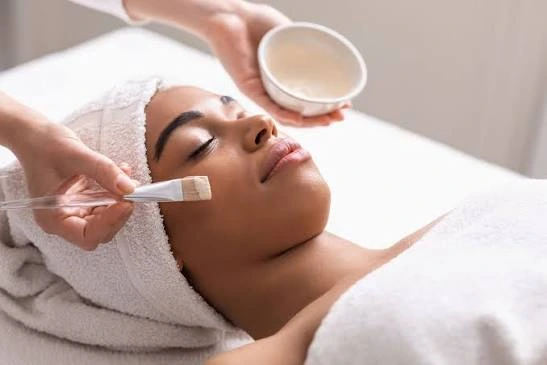
Uneven skin tone can affect the overall appearance of the complexion, making the face look dull, patchy, or less radiant. Dark spots, pigmentation, acne marks, and sun-related discoloration are common concerns that can develop over time. These changes may create differences in skin colour and make achieving a smooth, balanced complexion more challenging. Chemical peels are a popular skin rejuvenation treatment designed to improve these concerns by encouraging the removal of damaged surface cells and supporting natural skin renewal. Chemical Peels in Abu Dhabi offer an approach to addressing uneven skin tone while improving overall skin texture and brightness.
The treatment uses carefully selected chemical solutions to exfoliate the outer layers of the skin. Depending on the formulation and treatment depth, chemical peels can target different concerns, including dullness, pigmentation, rough texture, and visible acne marks. Understanding how this treatment works can help individuals determine whether it is suitable for their skin goals.
Understanding Uneven Skin Tone and Its Causes
Uneven skin tone occurs when certain areas of the complexion appear darker or lighter than the surrounding skin. This variation can develop because of several factors, including excessive sun exposure, acne-related pigmentation, hormonal changes, and the natural ageing process.
Sun exposure is one of the common contributors to pigmentation. Ultraviolet radiation can stimulate melanin production, leading to dark spots and patches that become more noticeable over time. Similarly, acne can leave behind discoloured marks even after active breakouts have disappeared.
Dead skin cell accumulation can also contribute to a dull appearance. When these cells remain on the skin’s surface, they can make the complexion look uneven and reduce its natural radiance. Chemical exfoliation helps address this concern by encouraging the removal of accumulated surface cells.
How Chemical Peels Brighten Uneven Skin
Chemical peels work by applying a specialised solution that loosens the bonds between dead skin cells. This process encourages the shedding of damaged surface layers and supports the appearance of fresher skin underneath.
As the skin renews itself, areas affected by surface pigmentation and dullness may gradually appear more balanced. The treatment can also improve the appearance of rough patches, helping the complexion look smoother and more refreshed.
Different peeling formulations work at different depths. Some primarily exfoliate the outermost skin layer, while others reach deeper layers to address more persistent pigmentation concerns. Selecting an appropriate formulation depends on skin type, pigmentation patterns, sensitivity, and individual treatment goals.
Reducing the Appearance of Dark Spots and Pigmentation
Dark spots can develop because of sun exposure, previous breakouts, and other changes in melanin production. These marks may create an inconsistent complexion, particularly when they appear across the cheeks, forehead, or chin.
Chemical peels can help improve the appearance of certain types of superficial pigmentation by removing pigmented surface cells and promoting skin renewal. With an appropriate treatment approach, darker areas may gradually become less noticeable.
The results depend on the depth and cause of pigmentation. Surface-level discoloration may respond differently from deeper pigmentation, which can require a more carefully planned treatment approach. A skin assessment helps determine the most suitable peeling solution and expected improvements.
Improving Acne Marks and Post-Blemish Discoloration
Acne-related marks are another common reason people consider chemical exfoliation. Even after blemishes have healed, dark spots can remain on the skin and affect its overall appearance.
Chemical peels can support the improvement of these marks by encouraging the removal of pigmented surface cells. Certain formulations also help improve skin texture, making the complexion appear more refined.
Individuals with acne-prone skin may benefit from selected peeling solutions that help clear accumulated dead skin cells and improve the appearance of congested pores. However, the treatment should be selected according to the current condition of the skin and the type of acne-related marks present.
Enhancing Skin Texture and Natural Radiance
Uneven skin tone is not always related to pigmentation alone. Roughness, accumulated dead skin cells, and irregular surface texture can also make the complexion appear less radiant.
Chemical peels encourage exfoliation, helping remove dull surface cells and reveal smoother-looking skin. As the outer layer becomes more refined, light may reflect more evenly across the complexion, contributing to a brighter appearance.
This improvement in texture can make the skin look fresher and more polished. It may also help create a more consistent appearance across different facial areas.
Which Chemical Peel Is Suitable for Uneven Skin?
Different chemical peeling solutions are designed to address different skin concerns. The appropriate option depends on the individual’s complexion, pigmentation depth, and overall skin condition.
Glycolic acid peels are commonly used to exfoliate the surface and improve the appearance of dullness, uneven texture, and superficial discoloration. Their exfoliating properties support the removal of accumulated dead skin cells.
Lactic acid peels offer a milder exfoliating approach and may be considered for individuals seeking improvements in surface dullness and uneven tone. Their suitability depends on individual skin characteristics.
Salicylic acid peels are often selected for oily and acne-prone skin. They can help address clogged pores, excess surface oil, and acne-related concerns that contribute to an uneven complexion.
Other formulations may be considered for specific pigmentation patterns. Choosing the right treatment requires an assessment rather than relying on a particular peel simply because it is popular.
What Happens During a Chemical Peel Treatment?
The treatment generally begins with an assessment of the skin to understand its texture, pigmentation, sensitivity, and specific concerns. This evaluation helps determine the appropriate chemical solution and treatment depth.
The skin is cleansed to remove surface impurities, oil, and makeup. The selected peeling solution is then carefully applied to the targeted area according to the treatment protocol.
The solution works on the outer layers of the skin to encourage exfoliation and renewal. Once the application is complete, it is removed or neutralised according to the formulation being used.
The treatment process varies depending on the type of peel and the individual’s skin needs. The overall approach is designed to improve skin clarity, texture, and brightness through controlled exfoliation.
How Many Sessions May Be Needed for Brighter Skin?
The number of chemical peel sessions depends on the condition being treated and the depth of pigmentation. Individuals with mild surface dullness may notice improvements with a different treatment schedule than those dealing with persistent dark spots or post-acne pigmentation.
Some people may observe a fresher appearance after an initial session, while more noticeable improvements often develop gradually through a planned series of treatments.
Skin renewal takes time, and treatment intervals should be determined according to the formulation and individual response. Allowing the skin to recover between sessions is an important part of achieving balanced results.
Maintaining a Brighter and More Even Complexion
Maintaining the appearance of brighter skin involves following an appropriate skincare routine after treatment. Sun protection is particularly important because ultraviolet exposure can contribute to the development of new pigmentation.
Using suitable sunscreen helps protect the complexion from UV-related discoloration. Gentle cleansing and appropriate moisturising products can also support skin hydration and comfort.
Harsh exfoliating products should not be introduced without suitable guidance, particularly while the skin is undergoing renewal. A consistent skincare approach can help maintain improvements in texture and overall complexion.
Who Can Consider Chemical Peels for Uneven Skin?
Chemical peels may be suitable for individuals experiencing dullness, superficial pigmentation, acne marks, rough texture, and uneven skin tone. However, not every formulation is appropriate for every complexion.
People with different skin types may require different peeling strengths and treatment approaches. Individuals with deeper pigmentation or particular skin conditions may need additional assessment before proceeding.
A personalised consultation helps identify the underlying cause of discoloration and determine whether chemical exfoliation is an appropriate option. This approach supports more realistic expectations and helps establish suitable treatment goals.
Conclusion
Chemical peels can be a useful option for improving uneven skin tone by encouraging exfoliation, removing accumulated surface cells, and supporting natural skin renewal. They can help reduce the appearance of superficial dark spots, acne marks, dullness, and rough texture while promoting a smoother and brighter-looking complexion.
Chemical Peels in Abu Dhabi provide different treatment options based on individual skin concerns and pigmentation patterns. Selecting an appropriate formulation and following a consistent skincare routine can support gradual improvements in skin clarity and radiance. With a personalised approach, individuals can work towards a more balanced complexion and healthier-looking skin.
FAQs
Can chemical peels brighten uneven skin tone?
Yes, chemical peels can improve the appearance of uneven skin tone by exfoliating damaged surface cells and encouraging skin renewal. They may help reduce superficial pigmentation and dullness.
Are chemical peels suitable for pigmentation?
Certain chemical peels are designed to address superficial pigmentation, dark spots, and uneven complexion. The appropriate formulation depends on the cause and depth of discoloration.
Can chemical peels help with dark spots?
Chemical peels can help make some dark spots less noticeable by encouraging the removal of pigmented surface cells. Deeper pigmentation may require a different treatment approach.
Do chemical peels improve acne marks?
Yes, selected chemical peels can improve the appearance of post-acne discoloration and superficial marks. They may also help refine uneven skin texture.
How long does it take to notice brighter skin after a chemical peel?
Some individuals notice a fresher appearance after the initial treatment, while more significant improvements may develop over several sessions. The timeline depends on the peel type and individual skin condition.
Which chemical peel is best for uneven skin?
Glycolic acid, lactic acid, and salicylic acid peels are among the options used for different skin concerns. The most suitable choice depends on pigmentation, skin type, texture, and treatment goals.
Can chemical peels improve dull and tired-looking skin?
Yes, chemical peels help remove accumulated dead skin cells that contribute to dullness. This exfoliation can reveal smoother and more radiant-looking skin.
How often should chemical peels be performed?
Treatment frequency depends on the chemical formulation, peeling depth, and individual skin response. Appropriate intervals should be established during a professional skin assessment.
Are chemical peels suitable for all skin types?
Different formulations can accommodate different skin types, but not every peel is suitable for everyone. Skin tone, sensitivity, pigmentation concerns, and overall skin condition should be evaluated before treatment.
Can chemical peels provide long-lasting brightness?
Chemical peels can support longer-term improvements in skin appearance when combined with appropriate skincare and consistent sun protection. Maintenance requirements vary according to individual skin concerns and treatment results.