



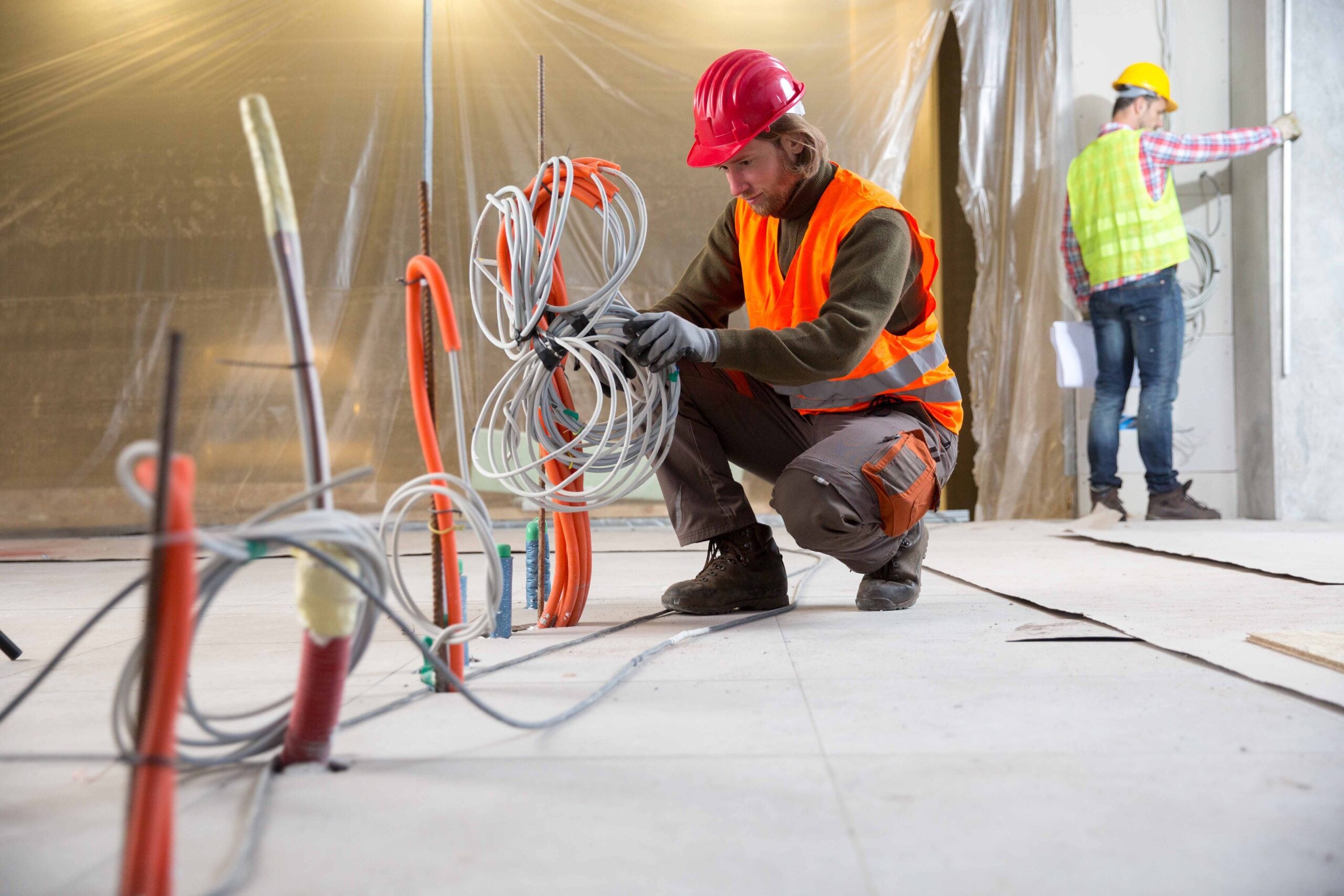
Workplace safety depends on more than clear walkways, emergency exits, and fire extinguishers. Electrical systems also play a major role in protecting employees, customers, and equipment. From overloaded circuits to damaged wiring, small electrical problems can create serious risks if ignored. Professional Commercial Electrical Remodeling in San Jose can help businesses address outdated systems, improve electrical reliability, and create safer working environments without unnecessary disruption to daily operations.
Whether you manage an office, retail store, warehouse, or restaurant, understanding how electrical work affects safety can help you make better maintenance decisions. A qualified commercial electrician can identify hazards, recommend practical improvements, and ensure that electrical installations meet applicable safety requirements.
Why Electrical Safety Matters in Commercial Buildings
Commercial buildings often use more electrical equipment than residential properties. Computers, refrigerators, industrial machinery, lighting systems, and heating or cooling equipment may operate simultaneously throughout the day. As demand increases, older electrical systems can struggle to handle the additional load.
An overloaded circuit may cause frequent breaker trips, while damaged insulation can expose live wires. In some situations, these problems can lead to electric shock, equipment damage, or electrical fires.
Regular inspections and timely repairs help businesses identify these concerns before they become emergencies. More importantly, a well-maintained electrical system allows employees to perform their duties with fewer avoidable hazards.
How Commercial Electricians Identify Workplace Hazards
A commercial electrician does more than repair outlets or replace faulty switches. Their work often involves examining the complete electrical system to identify weaknesses that could affect workplace safety.
Inspecting Wiring and Electrical Panels
Electrical panels distribute power throughout a building. If a panel is damaged, incorrectly labeled, or overloaded, maintenance workers may face unnecessary risks when troubleshooting electrical problems.
An electrician can inspect panel connections, circuit protection, wiring conditions, and signs of overheating. Burn marks, unusual buzzing, a burning smell, or repeatedly tripping breakers should never be ignored.
Businesses should also ensure that electrical panels remain accessible. Storing boxes, cleaning supplies, or office furniture directly in front of panels can delay emergency access and make maintenance more difficult.
Checking Outlets, Cables, and Equipment
Damaged extension cords, loose outlets, and exposed wiring can create hazards in busy workplaces. These issues are especially concerning in workshops, kitchens, warehouses, and areas where employees frequently move equipment.
During an inspection, a professional may identify problems such as:
- Frayed cables or damaged electrical insulation.
- Loose receptacles and cracked outlet covers.
- Extension cords being used as permanent wiring.
- Electrical equipment exposed to moisture or physical damage.
- Missing or unsuitable grounding and circuit protection.
Employees should report these issues promptly instead of attempting repairs themselves. Qualified professionals can determine the appropriate solution and reduce the chance of an accident.
How Electrical Remodeling Improves Workplace Safety
Electrical remodeling becomes particularly important when businesses expand, change their layouts, or install equipment that requires additional power. An older electrical system may not have been designed for modern workplace demands.
Commercial Electrical Remodeling in San Jose can help businesses update outdated wiring, improve circuit distribution, and make electrical systems more suitable for their current operations. However, the specific improvements required depend on the building’s condition, electrical load, and intended use.
Supporting Modern Equipment and Electrical Loads
Imagine a small office that adds several workstations, printers, charging stations, and a commercial coffee machine. If all this equipment is connected to circuits designed for much lighter use, the electrical system may become overloaded.
An electrician can calculate expected loads, assess existing circuits, and determine whether additional circuits or panel upgrades are necessary. Proper load distribution helps reduce nuisance breaker trips and overheating risks.
Businesses should avoid solving recurring power problems by repeatedly resetting breakers or adding more power strips. These actions do not address the underlying cause and may increase the risk of an electrical incident.
Improving Lighting and Emergency Visibility
Good lighting helps employees move safely through corridors, stairways, storage rooms, and work areas. Poorly illuminated spaces can increase the likelihood of trips, falls, and mistakes when handling equipment.
During a remodeling project, an electrician can recommend suitable lighting placement, replace inefficient fixtures, and evaluate emergency lighting where required. Exit signs and emergency lights should also be tested according to applicable requirements and the manufacturer’s instructions.
These improvements are particularly useful in buildings that operate after dark or have areas where natural light is limited.
Preventing Electrical Fires Through Proper Installation
Electrical fires can begin when wiring deteriorates, connections loosen, circuits become overloaded, or equipment generates excessive heat. In commercial settings, a fire may threaten employees, customers, inventory, and neighboring properties.
A commercial electrician helps reduce these risks by installing suitable circuit breakers, correcting wiring defects, and selecting electrical components appropriate for the environment.
For example, a restaurant kitchen may require electrical equipment and protective measures suited to heat, moisture, and frequent cleaning. A warehouse may need wiring and fixtures protected against physical damage or dust, depending on its operations.
During commercial electrical remodeling in San Jose, businesses should ask their electrician to explain which safety improvements are essential, which are recommended, and which depend on future expansion plans.
Fire prevention also requires everyday attention. Employees should report warm outlets, unusual electrical smells, sparks, or unexplained power interruptions. If an electrical fire occurs, workers should follow the emergency plan, evacuate when necessary, and never use water on energized electrical equipment.
Maintaining Compliance With Electrical Safety Requirements
Electrical safety involves more than installing equipment that appears to work correctly. Commercial properties must follow applicable electrical codes, permitting requirements, and workplace safety rules.
A qualified electrician can help determine which requirements apply to a particular project and coordinate inspections when necessary. Depending on the work, this may involve grounding, bonding, overcurrent protection, appropriate wiring methods, and correctly installed electrical equipment.
Businesses should also maintain records of inspections, repairs, permits, and equipment upgrades. These documents help facility managers track recurring problems and provide useful information during future maintenance or remodeling projects.
When considering commercial electrical remodeling services in San Jose, property managers should verify the contractor’s licensing where required, insurance, relevant commercial experience, and familiarity with local permitting procedures.
Clear communication is equally important. Before work begins, discuss the project scope, expected downtime, access restrictions, and temporary safety measures. This preparation helps employees understand which areas are restricted and how normal operations may be affected.
Building Better Electrical Safety Habits at Work
Professional electrical work is essential, but daily workplace habits also matter. Employees and managers can help prevent hazards by following straightforward procedures.
Useful practices include:
- Keep electrical panels, disconnects, and emergency exits unobstructed.
- Avoid connecting multiple high-power devices to one outlet or power strip.
- Keep cords away from water, heat sources, sharp edges, and busy walkways.
- Report damaged equipment instead of continuing to use it.
- Never bypass circuit breakers or remove protective covers.
- Ensure that only qualified personnel perform electrical repairs.
Managers should also establish a clear reporting process so employees know whom to contact when they notice an electrical concern. For workplaces with specialized equipment, training should explain safe operating procedures and the importance of following lockout/tagout requirements during applicable servicing activities.
These simple measures complement professional inspections and help create a workplace where safety is part of everyday decision-making.
Choosing the Right Time for Electrical Upgrades
Electrical improvements are easier to plan before a small issue becomes a major disruption. Businesses should consider a professional assessment when renovating offices, adding machinery, expanding workspaces, or experiencing repeated breaker trips.
Aging electrical panels, insufficient outlets, inconsistent lighting, and frequent electrical repairs may also indicate that an upgrade deserves attention.
Before approving a project, ask the electrician to provide a clear explanation of the identified hazards, recommended work, expected costs, and any required permits. Prioritize immediate safety concerns first, then plan other improvements according to operational needs and budget.
Investing in Commercial Electrical Remodeling in San Jose can help businesses prepare their electrical systems for changing demands while addressing safety concerns that may otherwise go unnoticed. The goal is not simply to modernize a building but to support reliable operations and protect the people who use it every day.
Frequently Asked Questions
1. How does a commercial electrician improve workplace safety?
A commercial electrician identifies electrical hazards, repairs damaged wiring, checks circuit protection, evaluates electrical loads, and recommends improvements. These measures help reduce the risks of electric shock, overheating, and electrical fires.
2. When should a business consider commercial electrical remodeling?
Consider remodeling when expanding a workspace, installing new equipment, experiencing recurring breaker trips, or dealing with outdated wiring and insufficient outlets. A professional assessment can determine which upgrades are necessary.
3. Can electrical remodeling help prevent workplace fires?
Yes. Correcting overloaded circuits, damaged wiring, loose connections, and unsuitable electrical installations can reduce fire risks. However, businesses must also maintain equipment, train employees, and follow appropriate emergency procedures.
4. How can businesses choose a qualified commercial electrician in San Jose?
Check the contractor’s relevant commercial experience, licensing where required, insurance, references, and familiarity with local electrical codes and permits. Request a written estimate that explains the proposed work, safety priorities, and expected disruption to business operations.