





Nobody wakes up and decides the framing on line 3 has to go. It’s more like a hundred small cuts. A cart that won’t fit through the new aisle. A guard rail somebody had to torch off and weld back on, for the third time this year. A bench two inches too low for the guy on the second shift. None of it is a disaster. All of it costs time. Here are five signs a line has outgrown its fixed frames, and why plenty of shops are switching to aluminum framing material.
Sign One: Layout Changes Keep Requiring Cutting and Welding
Look at the floor after a layout change. Torch marks. Grinder dust. A welder who’s been called in again. Steel frames are tough, sure, but once they’re built, they’re built. Move a rail or add a shelf and somebody’s cutting and welding while the line sits there. T-slot framing doesn’t work like that. Parts get added, moved or taken off with simple tools. No welding.
Sign Two: Product Changeovers Take Longer Than They Should
Next up is changeover. If switching products means rebuilding a fixture or digging around for some one-off bracket, the frame is in the way. With modular frames, a crew can slide a stop over, move a panel, swap an accessory, and get back to work. Short runs hurt a lot less when a station can change quickly.
Sign Three: Workstations Don’t Fit the People Using Them
Operators usually spot this one first. They’re reaching too high or bending too low, or working around a bench that was never right to begin with. Fixed-height stations are hard to fix. Adjustable frames can go up, down or sideways to suit whoever’s standing there. MiniTec’s own page lists adjustable ergonomic stations for manufacturing and assembly as a common use.
Sign Four: Frames Rust or Need Constant Repainting in Damp Areas
Damp areas chew through plain steel. Rust shows up, paint peels, and maintenance ends up repainting frames every so often. Aluminum doesn’t rust the same way. MiniTec says it resists corrosion on its own, no paint or coating needed. In cleanrooms and food lines, a smooth closed-face profile is also easier to wipe down.
Sign Five: Every Small Change Waits on an Outside Fabricator
And then there’s the waiting. If every little change goes to an outside fabricator, a quick fix turns into a long wait. Kits that arrive cut to length and labeled to match the drawings let a plant’s own people build and rebuild. For bigger jobs, a supplier can do the design and the assembly. It comes down to control. The line shouldn’t stop because a frame is on someone else’s schedule.
How MiniTec Solutions Helps Production Lines Stay Flexible
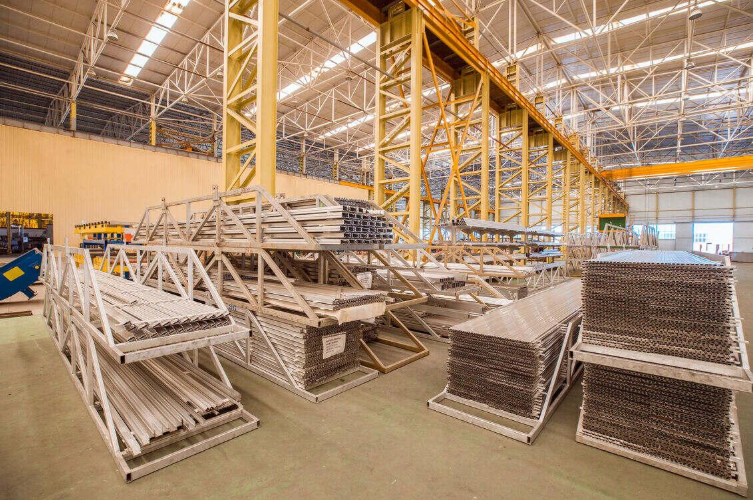
MiniTec Solutions keeps stock in Huntsville, Alabama, and sells T-slot aluminum framing material plus the parts that go with it. The profile range covers a few kinds of work:
- 30 Series: light jobs, like compact enclosures and sensor mounts
- 45 Series: medium duty, for workstations, conveyor frames and safety guards
- 45 Series Heavy-Duty: thicker walls for big dynamic loads, machine bases and robotic cells
- Closed-Face Series: smooth profile for cleanrooms, medical equipment and food lines
Customers can order parts or a custom kit, cut to length and labeled, built from a drawing. MiniTec sends drawings and a bill of materials for approval before the project goes ahead. Fully assembled structures can be built at the Huntsville facility. Design help is free. Shipping goes nationwide, except to Michigan and New York.
FAQs
What does a flexible framing system mean in manufacturing?
It means frames made from standard, adjustable parts instead of welded one-piece structures. T-slot profiles bolt together with hex tools, so a plant can add shelves, move rails or reshape a station without cutting or welding. Changes go faster, and the same parts can be used again.
Is aluminum framing strong enough for a production line?
For a lot of jobs, yes. Workstations, conveyors, guards and enclosures are common uses. Heavier loads need bigger or heavy-duty profiles, bracing and solid connections. Aluminum is less stiff than steel, so the loads, spans, and bending should be checked with the supplier before anyone approves the design.
Why is aluminum framing material popular in damp or clean environments?
Aluminum material resists corrosion, so it won’t need to be painted or coated. It is easier to clean and ideal for humid environments. Closed-face profiles for cleanrooms and food handling will be easy to wash and disinfect. Be sure to check with your cleaning supply manufacturer to ensure your cleaning solution is compatible.
How long does it take to change a layout with T-slot framing?
It depends on the change, but it’s usually quicker than cutting and welding steel. Adding a shelf or sliding a stop takes little time with hex tools. Bigger rebuilds still need a plan, a parts list and ideally a drawing, so nobody’s guessing halfway through. That prep pays off.
What should a plant prepare before asking a supplier for a custom framing kit?
You should include sketches, general dimensions, intended use and loading for your frame. Include door, panel or any moving part information. With this, MiniTec Solutions will create a bill of materials and design to be approved by you. The quote will be based on your design and specifications, including timing.