




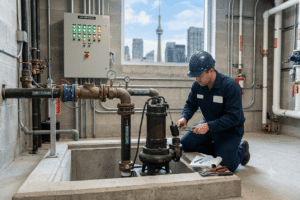
Improve sanitation and protect the environment by adopting responsible wastewater management practices. Sanco Environmental Solutions recognises the importance of maintaining effective sewage systems in residential, commercial, and industrial properties. Regular sewage tank cleaning helps control waste accumulation, maintain drainage performance, and reduce the risk of unpleasant odours, blockages, and environmental contamination.
1. Schedule Routine Sewage System Inspections
Regular inspections help identify sludge accumulation, leaks, and drainage problems before they become serious.
Property owners should monitor:
- Changes in drainage speed
- Persistent sewage odours
- Unusual moisture around tank areas
- Signs of wastewater backup
2. Choose Appropriate Cleaning Intervals
Cleaning frequency depends on tank size, wastewater volume, usage patterns, and system condition. Professional assessments help determine when maintenance is necessary and reduce the risk of unexpected overflow.
3. Follow Safe Waste Handling Practices
Sewage may contain harmful microorganisms and hazardous gases. Trained professionals use suitable protective equipment and specialised tools to carry out cleaning safely. Sewage tanks should never be entered without proper training and confined-space safety procedures.
4. Prevent Blockages Through Better Waste Disposal
Avoid flushing items that can obstruct wastewater systems. Grease, sanitary products, wipes, and other unsuitable materials can contribute to blockages and increase maintenance requirements.
5. Protect Soil and Water Resources
Responsible sewage collection and disposal help prevent contamination of nearby land and water sources. Sanco Environmental Solutions highlights the importance of appropriate sanitation practices and environmentally responsible waste management.
Conclusion
Effective wastewater management requires regular inspections, safe cleaning procedures, and responsible disposal practices. By prioritising sewage tank cleaning and preventive maintenance, property owners can support better sanitation, reliable drainage, and a cleaner environment.