




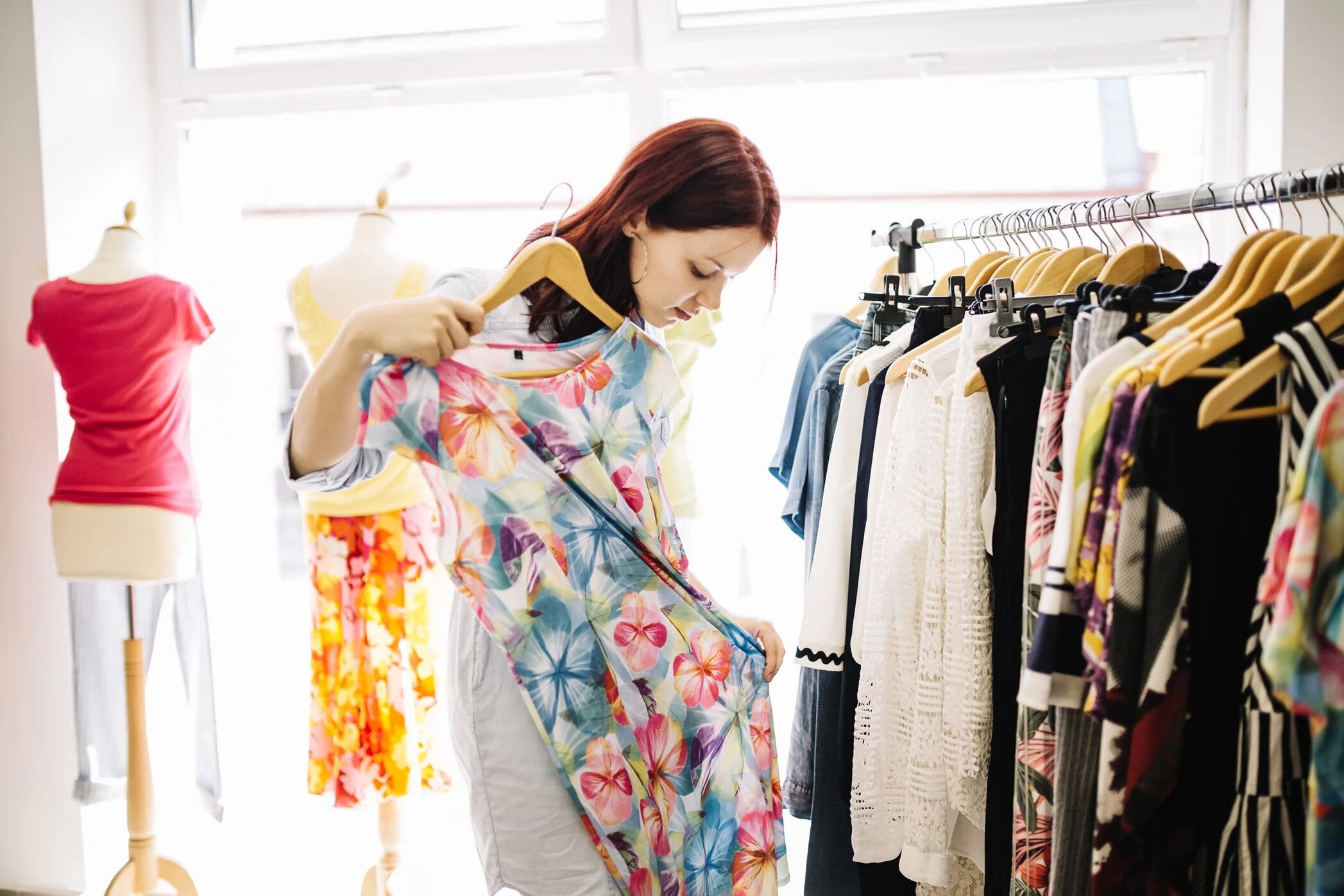
Seasonal fashion buying offers valuable opportunities for UK retailers, but poor timing and uncertain demand can turn a promising order into a financial burden. When sourcing bulk clothing for sale, retailers need to consider changing weather, customer demand, delivery schedules and the actual cost of holding unsold stock.
A boutique ordering summer dresses too early may struggle with unexpected cold weather. Similarly, winter knitwear arriving late in the season could leave little time to achieve profitable sales. These situations can affect cash flow and reduce the budget available for future collections.
Understanding seasonal buying risks helps independent retailers, online sellers and market traders make better purchasing decisions. Careful planning can reduce unnecessary markdowns, improve stock turnover and support healthier profit margins.
Why Seasonal Fashion Buying Creates Financial Risks
Seasonal clothing demand changes throughout the year, but customer buying patterns are rarely completely predictable. Spring and summer usually bring greater interest in lightweight garments, while colder months create opportunities for knitwear, coats and jackets.
However, UK weather can change these patterns. An unusually warm autumn may delay demand for heavier clothing, while a cooler summer could affect sales of dresses and other lightweight styles.
Retailers also need to consider changes in fashion preferences, local competition and customer spending. Ordering large quantities based only on last year’s results can create problems when current demand differs.
Buying More Stock Than Customers Need
Lower wholesale prices can encourage retailers to purchase larger quantities. Although buying in bulk may reduce the cost per garment, excessive orders can tie up money in products that sell slowly.
For example, imagine a boutique purchases 200 summer dresses and sells only 90 before seasonal demand declines. The remaining 110 dresses represent money that cannot immediately be used for new collections.
The retailer may need to offer discounts, store the garments until another season or accept a lower profit margin.
A more practical approach is to review previous sales, identify popular sizes and estimate how many units can realistically sell within the available period.
Ordering Too Late for Seasonal Demand
Timing is equally important when buying seasonal fashion.
Winter coats delivered towards the end of February may have a shorter selling period than those available earlier in the season. Likewise, festive clothing purchased close to Christmas leaves limited time for promotion and sales.
Retailers should account for supplier processing times, delivery arrangements and the time required to prepare product listings or shop displays.
The lowest purchase price may offer little benefit when stock arrives after its strongest selling opportunity.
Understanding Clearance Prices and Seasonal Stock Value
Discounted fashion can help retailers control buying costs, but price alone should never determine a purchasing decision.
Garment quality, available sizes, seasonal relevance and expected customer demand all influence whether a clearance order offers genuine value.
Assessing Clearance Clothing Before Buying
Retailers considering wholesale clearance clothing should first understand what the available stock contains.
Clearance ranges may include discontinued styles, surplus quantities or clothing from previous seasons. These garments are not necessarily damaged or unsuitable for resale, but their commercial value depends on their condition and relevance to current demand.
For example, discounted winter jackets purchased in March may need to remain in storage until colder weather returns. During that period, the retailer’s money remains tied up, and customer preferences may change.
Before placing an order, buyers should check fabric composition, garment measurements, size availability, product condition and applicable return terms.
They should also consider whether the stock includes a balanced selection of sizes. A clearance lot containing mostly unpopular sizes may prove difficult to sell, even when the purchase price appears attractive.
Calculating the Real Cost of Discounted Fashion
When evaluating discount wholesale clothing, retailers should calculate the full cost of purchasing and selling each item.
The wholesale price is only one part of the calculation. Delivery, packaging, payment processing, selling fees and potential markdowns can all affect profitability.
Consider this hypothetical example:
| Cost or revenue | Amount |
| Wholesale garment cost | £6.00 |
| Allocated delivery and packaging | £1.50 |
| Other direct selling costs | £1.50 |
| Total direct cost | £9.00 |
| Expected selling price | £15.00 |
| Contribution before overheads and tax | £6.00 |
If the garment later sells for £10 instead of £15, the contribution falls to £1, assuming the other costs remain unchanged.
This example shows why a large advertised discount does not always lead to a strong financial return.
Retailers should calculate expected margins using realistic selling prices and allow for possible reductions before committing to seasonal orders.
Practical Ways to Reduce Seasonal Buying Risks
Seasonal uncertainty cannot be eliminated, but retailers can manage it through better purchasing decisions and regular stock reviews.
The most effective approach combines past sales information with current demand, suitable product selection and realistic buying quantities.
Review Previous Sales and Current Demand
Historical sales records can help retailers understand which clothing categories perform well during particular seasons.
For example, a boutique may notice that lightweight cardigans sell consistently during spring, while heavier jumpers perform better from late autumn onwards.
However, previous results should guide decisions rather than determine them completely.
Retailers should also examine recent customer enquiries, online product performance and changing demand within their own business.
Useful questions include:
- Which products are sold without heavy discounts?
- Which sizes and colours remained unsold?
- When did demand begin to decline?
- Which categories generated repeat purchases?
These findings can help retailers adjust future orders and avoid repeating costly buying mistakes.
Choose Accessories That Support Seasonal Clothing
Fashion accessories can complement clothing ranges and provide additional sales opportunities, although their demand also varies throughout the year.
Retailers working with jewellery wholesalers uk should consider whether selected designs suit their existing customers and product categories.
Simple earrings, bracelets and necklaces may remain relevant across several seasons, while festive or heavily themed jewellery often has a shorter selling period.
Similarly, retailers evaluating wholesale tote handbags should assess materials, colours, construction and practical features.
Neutral-coloured bags may complement different seasonal clothing ranges, while highly seasonal prints may have a more limited sales window.
Buying accessories should be based on customer demand and expected resale potential rather than low wholesale prices alone.
Monitor Stock Performance Throughout the Season
Retailers should not wait until the end of a season to identify slow-moving products.
Regular stock reviews make it easier to recognise declining demand and adjust purchasing decisions before unsold quantities become difficult to manage.
One useful measure is the sell-through rate, which compares units sold with the quantity received during a selected period.
For example, if a retailer receives 100 garments and sells 60, the sell-through rate is 60%, assuming no returns or other stock adjustments.
However, this figure becomes more useful when considered alongside the time remaining in the season.
Selling 60% of stock within the first two weeks may indicate healthy demand. Selling the same percentage after several months could suggest that the remaining garments need attention.
Retailers can use this information to delay repeat orders, improve product presentation or introduce carefully planned markdowns.
Keep Enough Budget for Changing Fashion Demand
Committing the entire purchasing budget to one seasonal collection can limit a retailer’s ability to respond when demand changes.
A more flexible approach is to allocate money across essential stock, seasonal products and potential repeat orders.
For example, a boutique might begin with a smaller selection of autumn knitwear and increase quantities when sales provide stronger evidence of demand.
This approach depends on supplier availability and delivery times. Repeat ordering may not be possible for every style, particularly clearance or limited-stock products.
Retailers should therefore balance the benefits of smaller initial orders against the risk of popular garments becoming unavailable.
Make Seasonal Buying Decisions That Protect Profit
Seasonal fashion buying becomes more manageable when retailers consider demand, timing and total purchasing costs together.
A reduced wholesale price can offer value, but only when the garments have realistic resale potential. Checking product quality, selecting suitable quantities and monitoring sales can help businesses avoid unnecessary stock losses.
Retailers should also leave room in their budgets for changing customer preferences and unexpected demand.
The aim is not to avoid seasonal fashion opportunities. It is to make purchasing decisions supported by practical information rather than assumptions.
With careful planning and regular stock reviews, UK fashion retailers can reduce buying risks, protect working capital and maintain a more profitable product range.