




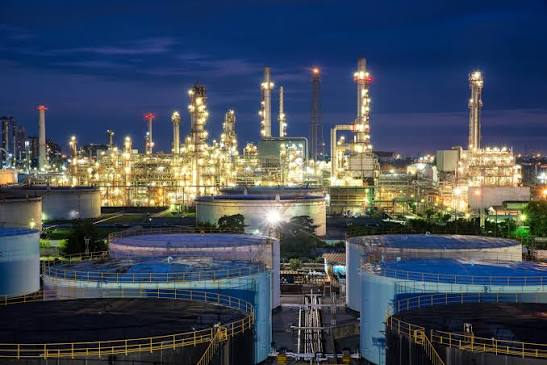
Gas plants process natural gas for transport or use. Gas plant operators must keep equipment running, maintain product quality, protect workers, and meet environmental rules. These responsibilities require constant attention because equipment faults can affect production, safety, and delivery schedules. Challenges can become harder when costs rise or operating conditions change. Regular checks, clear procedures, and timely decisions help prevent small issues from disrupting operations. They also help teams plan maintenance and use resources wisely.
How Can Equipment Failures and Downtime Be Managed?
Gas processing relies on compressors, pumps, valves, heat exchangers, and pipelines. A failure in one area can interrupt production and raise repair costs. Operators can limit these problems by monitoring equipment and fixing faults early.
- Preventive Maintenance: Follow service schedules and replace worn parts before they fail.
- Routine Inspections: Check for leaks, unusual noise, vibration, corrosion, and pressure changes.
- Condition Monitoring: Use sensors and operating data to spot equipment trouble.
- Spare Parts: Keep essential components available to avoid repair delays.
A planned maintenance program helps reduce unexpected shutdowns. Teams should record repairs and recurring faults to identify equipment that needs closer attention or replacement.
How Should Workers Manage Safety Risks?
Gas plants handle flammable materials and high-pressure systems. Workers may also face heat, noise, or harmful substances. A leak or procedural mistake can cause serious harm, so safety must guide daily work.
- Gas Detection: Test alarms and detectors, and respond quickly to warnings.
- Protective Equipment: Provide suitable clothing, eye protection, gloves, and breathing equipment where required.
- Worker Training: Teach safe procedures, equipment use, and emergency response.
- Emergency Drills: Practice evacuation, fire response, and leak-control plans.
Workers should report unsafe conditions promptly. Supervisors must review incidents, correct hazards, and keep safety procedures clear and practical.
How Can Plants Maintain Gas Quality and Process Efficiency?
Changes in gas composition, moisture, pressure, or temperature can affect processing and final product quality. Poor control may also increase energy use or damage equipment.
- Regular Testing: Check gas composition and moisture levels at key stages.
- Process Monitoring: Track pressure, temperature, flow rates, and other key readings.
- Timely Adjustments: Correct settings when readings move outside approved limits.
Consistent monitoring helps teams detect changes early and keep processes within operating requirements. Clear records can reveal recurring variations and show when equipment or settings need attention.
What Compliance and Cost Issues Should Operators Watch?
Gas plants must meet safety, environmental, and operating requirements. They also need to manage energy, maintenance, labor, and emissions-control expenses.
- Regulatory Checks: Keep permits, inspection records, and operating documents up to date.
- Emissions Monitoring: Track leaks and emissions, and address problems promptly.
- Cost Reviews: Monitor energy use, repair spending, and material costs.
- Staff Development: Train workers and plan shift handovers to reduce errors.
Requirements vary by plant, location, and gas type. Gas plant operators should work with compliance and technical teams to review obligations, plan spending, and address issues before they disrupt operations.
Conclusion
Reliable gas plant operations depend on safe practices, regular maintenance, process checks, and trained staff. Clear communication, accurate records, and timely reporting also help prevent avoidable mistakes. By addressing faults early and reviewing daily performance, plant teams can reduce downtime, control costs, protect workers, and maintain reliable operations.