





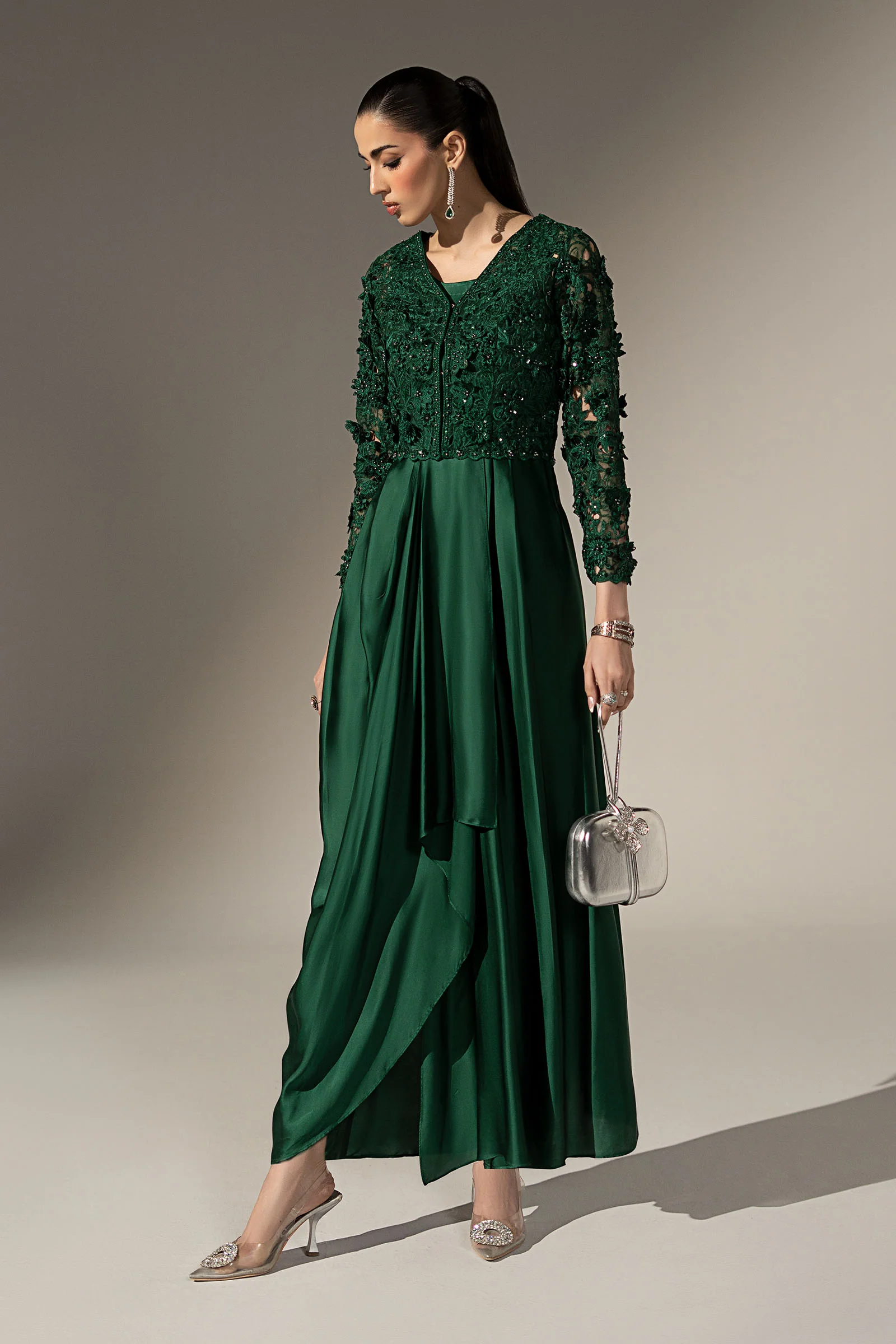
Pakistani pret takes the wait out of shopping for ethnic outfits. You can choose a look and wear it without arranging custom tailoring. Fit still matters, since traditional cuts suit different body proportions in different ways. Fortunately, with options like Maria.B. ready to wear, you can find styles that complement your shape and feel comfortable to wear.
8 Typical Ready to Wear Fitting Issues & Their Fixes
If you plan to shop for ready to wear clothing soon, keep these common fit issues and their solutions in mind to avoid problems later:
Tight Chest and Armhole Pulling
Unforgiving lawn or jacquard fabrics often pull across your upper body when you reach or lift your arms. This is because clothing sizing runs smaller through the chest. To avoid this issue, buy your widest upper body measurements instead. A tailor easily takes in a loose waist, but opening tight armholes is nearly impossible without ruining the outfit silhouette.
Trousers That Pull and Ride Up
Narrow bottoms often pull down at the waist and ride up your calves. Brands design standard bottoms with shorter lengths and narrow thighs that strain when you sit. Address by picking separate bottom sizes whenever possible. Additionally, perform a quick sit test in fitting rooms. Tailors can also easily hem long legs or alter loose waistbands. However, note that they cannot stretch tight thigh seams.
Gaping Side Slits and Tight Hips
A good tunic hangs clean against your silhouette without grabbing your hips. Wearing a tight fit makes side slits flare open. It also damages delicate fabrics. Avoid this common problem by ensuring your garment has two full inches of extra room beyond your hip size. Similarly, checking internal fabric allowances offers a simple workaround. Traditional labels pack extra margin inside the seams, letting your tailor open the hips for a relaxed, easy drape.
Deep Necklines and Short Sleeve Issues
Mass produced kurtas regularly present low-neck cuts or short sleeves that do not suit individual modesty styles. Fixed embroidery across cuffs and necklines complicates standard tailoring without damaging delicate fabric patterns. When an outfit feature attached organza borders or heavy neck patches, altering sleeve lengths requires expensive custom labor. Fortunately, the fix is simple. Just seek out modest collar designs, boat necks, or relaxed boxy silhouettes. These structured cuts offer generous coverage naturally while preserving all original embellishments.
Incorrect Crotch Curve and Front Bunching
Co ord set trousers often feature flat front designs that do not account for natural body curves. This can cause fabric to bunch across your hips or pull tightly while walking. To improve the fit, look for half elastic waistbands that provide extra stretches at the back while keeping the front smooth. Size up if the rise feels tight. Tailors often lack enough extra fabric in the crotch seams to correct poor pattern drafting.
Attached Slip Mismatch and Sizing Issues
High end ethnic wear often pairs loose outer shirts with surprisingly narrow inner slips. Stiff lining material pulls tight across your bust and hips, completely ruining an otherwise flawless outfit drape. Make sure to assess both layers together in the fitting room. If the slip binds, detach it from the main shirt seams. A simple custom stitched inner lining gives you complete freedom of movement.
Heavy Dupatta Drag and Shoulder Slippage
Weighted mirror works dupattas pull kurta shoulder seams back, causing front necklines to ride up against your neck. The sheer weight pulls fabric down your arms, ruining your posture and garment alignment. Always inspect formal wear for reinforced shoulder stitching before making a purchase. To fix persistent fabric drag, ask your tailor to add hidden press button straps inside the internal shoulder seams. Snapping these tiny hidden straps onto your undergarment lines anchors your heavy dupatta immediately, holding your neckline and shoulders steady throughout long events.
Laser-Cut Border Distortion and Hem Curling
Fancy laser cutwork along shirt borders and cuffs often lose its structure after your first wash. Factory heat applications melt delicate threads, making your hemline roll uncomfortably upward instead of hanging straight. Inspect the fabric and cutwork border before finalizing a purchase. When buying from luxury labels like Maria.B. Pakistan, intricate laser-cut extensions are typically provided unstitched. If your finished hem rolls up later, a skilled tailor can easily iron the edge flat and sew a concealed cotton piece under the border to secure a smooth downward hang.
Conclusion
Finding your ideal fit in ready to wear pieces requires knowing where common manufacturing flaws occur. Focus on key structural areas like chest widths, pant rises, and embroidered borders while trying on clothes. Taking these proactive steps ensures you invest in well-fitting outfits, allowing your tailor to handle minor adjustments while you enjoy flawless, comfortable ethnic wear.