




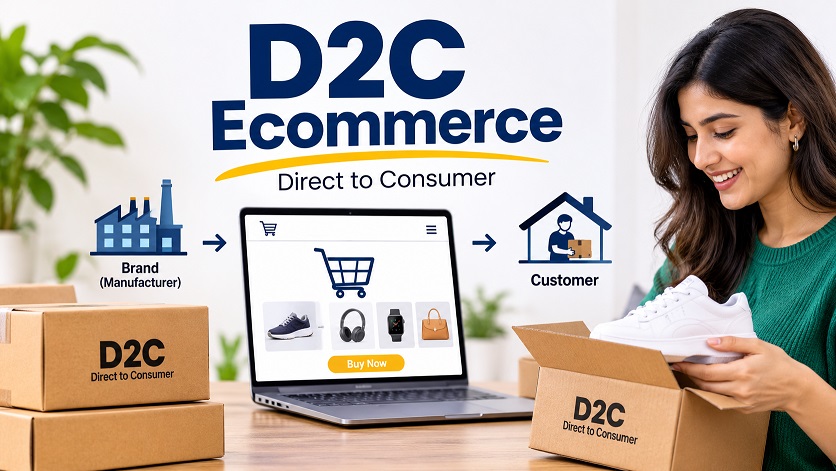
Cross-border selling gives emerging businesses direct access to international customers, but shipping food into the United States requires careful preparation. For d2c ecommerce businesses, a smooth customer experience depends on accurate product information, dependable shipping processes, and regulatory awareness. One particularly important requirement is us fda prior notice, which generally applies to food imported or offered for import into the country. Understanding how this requirement fits into fulfillment helps businesses prevent avoidable disruptions.
Why Direct-to-Consumer Food Shipping Needs Special Attention
Unlike traditional bulk shipments, direct-to-consumer orders may contain small quantities moving frequently to individual addresses. This creates a high volume of shipment records, even when each parcel is relatively simple. Food products also introduce information requirements that ordinary merchandise may not face.
Understand Which Products Are Covered
The rules depend on the nature of the goods and the circumstances of importation. Many foods for humans or animals require prior notice, although exemptions exist. Businesses should assess each product category rather than assume every parcel follows the same procedure.
What US FDA Prior Notice Means
US FDA prior notice is advance information submitted about covered food shipments before they arrive in the United States. It allows authorities to review information about incoming food and determine whether further examination may be needed.The submission generally includes details about the food, its manufacturer or grower when required, the shipper, the importer or owner, and transportation or arrival information. Exact data requirements vary by shipment circumstances.
Timing Is Important
Prior notice must be submitted within applicable advance timeframes, which differ by transportation mode. A filing that is incomplete, late, or inaccurate can interfere with the movement of a shipment. Teams should confirm the relevant deadline for each route instead of relying on a single universal cutoff.
Common Challenges for D2C Ecommerce Sellers
Incomplete Product Descriptions
Generic descriptions may not provide enough information for effective regulatory review. Maintaining clear, consistent product records helps reduce last-minute clarification requests.
Disconnected Order and Shipping Data
When order information is copied manually between systems, names, quantities, and shipment details can become inconsistent. D2c ecommerce operations benefit from a shared source of verified information across fulfillment and compliance activities.
Unexpected Changes to Shipping Plans
Carrier changes, revised arrival details, and altered shipment contents can affect filing accuracy. Businesses need a clear process for identifying changes and determining whether updates or new submissions are necessary.
How to Build a More Reliable Import Workflow
Maintain a Clean Product Catalog
Record accurate food descriptions, origin information, relevant manufacturer details, and consistent item identifiers. Review these records when sourcing or packaging changes.
Assign Clear Filing Responsibilities
Determine who prepares, verifies, and submits us fda prior notice information. Document how employees handle missing details, rejected submissions, and exceptions.
Check Confirmation Before Shipment Progresses
Build a verification step into the shipping workflow so teams can confirm that required submissions have been completed and associated confirmation information is available when needed.
Where Automation Can Help
Automated data checks can flag missing product information, inconsistent quantities, and incomplete shipping records. Integration between ordering, fulfillment, and compliance workflows can also reduce repeated data entry. However, automation should support—not replace—qualified review of unusual food products or regulatory questions.
Conclusion
Successful d2c ecommerce food shipping requires more than fast order fulfillment. Businesses need dependable product records, clear responsibilities, and awareness of import requirements. By treating us fda prior notice as an essential part of shipment planning, sellers can reduce preventable documentation problems and build more consistent cross-border customer experiences.