






Decks add comfort, beauty, and useful outdoor space to residential properties. However, constant exposure to sunlight, rain, humidity, dirt, and changing temperatures can gradually damage their appearance. Wooden boards may become gray, stained, slippery, or covered with algae and mildew. Without proper cleaning, these problems can make an outdoor deck look old and poorly maintained.
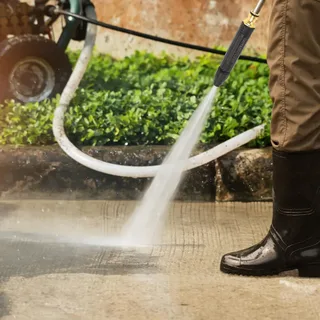
Deck pressure washing Chattanooga TN is an effective way to remove built-up dirt, surface stains, algae, and other contaminants from weathered deck boards. Chattanooga’s changing weather and humid conditions can cause outdoor surfaces to collect moisture and organic growth, making regular deck maintenance important.
Proper pressure washing helps restore the natural appearance of wood while preparing the surface for additional maintenance, such as staining or sealing. However, the cleaning process requires the correct water pressure, suitable equipment, and careful techniques to avoid damaging the wood.
Professional cleaning also helps homeowners identify surface problems that may need attention before they become more serious. Companies such as Mike Jarvis Painting can help property owners maintain exterior surfaces through professional cleaning and painting-related services.
Understanding how deck pressure washing works can help homeowners protect their outdoor spaces and keep their decks looking clean and attractive.
1. Why Weathered Deck Boards Need Professional Cleaning
Wooden decks experience constant outdoor exposure. Over time, environmental conditions leave dirt, moisture, and organic materials on the boards. These contaminants can change the appearance of the wood and make regular maintenance more difficult.
Common Causes of Weathered Deck Boards
Several environmental factors contribute to deck deterioration.
- Sunlight exposure: Ultraviolet rays gradually break down the wood’s surface and contribute to fading and discoloration.
- Rain and moisture: Frequent moisture exposure can encourage mildew and algae growth.
- Dirt accumulation: Dust, leaves, and outdoor debris settle between boards and create dirty surfaces.
- Mold and mildew: Damp conditions can encourage organic growth, especially in shaded areas.
- Temperature changes: Repeated expansion and contraction can contribute to surface wear over time.
In Chattanooga, outdoor decks may experience several of these conditions throughout the year. Areas that receive limited sunlight or have poor drainage may remain damp for longer periods.
Signs That a Deck Needs Pressure Washing
A deck may benefit from professional cleaning when its boards show visible signs of contamination.
Common warning signs include:
- Gray or dull-looking wood.
- Green or dark patches on the boards.
- Dirt trapped between deck planks.
- Slippery areas after rainfall.
- Stains caused by leaves and outdoor debris.
- Uneven discoloration across the deck surface.
These problems do not always mean the wood needs replacement. In many cases, proper cleaning can improve its appearance and prepare it for further care.
Why Early Cleaning Matters
Allowing dirt and organic growth to remain on wooden boards can make cleaning more difficult later. Regular maintenance helps prevent heavy buildup and makes it easier to identify areas that need repairs.
Therefore, timely deck pressure washing is an important part of maintaining an outdoor living space.
2. How Deck Pressure Washing Chattanooga TN Removes Dirt and Surface Buildup
Pressure washing uses controlled water pressure to remove unwanted materials from outdoor surfaces. When performed correctly, it can clean weathered deck boards without requiring aggressive scrubbing.
However, wood is more sensitive than concrete or other hard surfaces. The cleaning method must match the wood’s condition and type.
Removing Dirt and Embedded Debris
Outdoor decks collect dust, mud, pollen, leaves, and other materials. Some contaminants remain on the surface, while others become trapped in the wood’s texture and spaces between boards.
Professional pressure washing helps remove these materials through controlled water application.
For example, a deck near trees may collect fallen leaves and pollen throughout the year. When moisture mixes with this debris, it can leave dark stains on the boards.
A suitable cleaning process helps remove this buildup and reveal the wood underneath.
Cleaning Algae and Mildew
Green algae and mildew can develop on wooden decks when moisture remains on the surface.
These growths commonly appear in:
- Shaded corners.
- Areas beneath outdoor furniture.
- Spaces near garden beds.
- Sections with poor drainage.
- Areas that receive limited sunlight.
Cleaning these surfaces helps improve their appearance and reduce slippery buildup. However, pressure alone may not remove every type of organic growth. Depending on the condition of the wood, an appropriate wood-safe cleaning solution may also be necessary.
Restoring a More Natural Appearance
Weathered boards often lose their original appearance because of dirt, surface contamination, and sunlight exposure.
Removing accumulated grime can make the wood look cleaner and more consistent. However, pressure washing does not reverse sun damage or restore missing wood fibers.
For heavily faded or damaged boards, additional preparation, sanding, or refinishing may be required.
3. Choosing the Right Pressure for Safe Deck Cleaning
One of the most important parts of deck cleaning is selecting the correct pressure. Using excessive force can damage wooden boards, leaving marks that may be difficult to repair.
Professional cleaning focuses on removing contaminants while protecting the wood’s surface.
Why High Pressure Can Damage Wood
Wood has a softer and more porous structure than concrete. Excessive water pressure can forcefully remove surface fibers and create visible damage.
Potential problems include:
- Wood splintering.
- Rough or fuzzy board surfaces.
- Permanent pressure marks.
- Raised wood fibers.
- Damage around joints and edges.
- Water penetration into vulnerable areas.
These problems can make the deck harder to maintain and may increase the amount of preparation needed before staining.
Selecting Suitable Cleaning Equipment
The appropriate equipment depends on the deck’s material, condition, and level of contamination.
Important considerations include:
Adjustable pressure settings: Equipment should allow the operator to control water pressure according to the surface.
Suitable spray tips: A wider spray pattern generally distributes water more evenly than a concentrated stream.
Consistent spray distance: Maintaining a suitable distance helps prevent uneven cleaning and surface damage.
Controlled movement: Moving the spray evenly across the boards helps reduce visible cleaning lines.
Why Professional Experience Matters
Different wood types respond differently to water pressure and cleaning methods.
Older boards, softwood decking, and previously damaged surfaces may require extra care. Professional cleaning helps account for these differences rather than treating every deck in the same way.
A careful approach also reduces the risk of damaging nearby siding, outdoor furniture, landscaping, and other property features.
4. Preparing a Deck Before Pressure Washing
Proper preparation makes the cleaning process safer and more effective. Before applying water, the deck should be inspected and cleared of obstacles.
Inspecting the Deck Structure
A visual inspection helps identify problems that cleaning cannot fix.
Important areas to examine include:
- Loose or raised boards.
- Exposed nails and screws.
- Cracked or splintered wood.
- Loose railings.
- Damaged stairs.
- Areas showing signs of wood rot.
If a board is unstable or severely damaged, it may need repair or replacement before cleaning begins.
Pressure washing should not be used to hide structural problems.
Removing Furniture and Outdoor Items
Deck furniture, planters, grills, rugs, and decorative items should be moved away from the cleaning area.
This provides better access to the boards and reduces the risk of water damage to personal belongings.
It also makes it easier to clean spaces that are normally covered by outdoor furniture.
Protecting Nearby Surfaces
Preparation should also include protecting surrounding areas.
For example:
- Move delicate outdoor decorations.
- Protect electrical equipment.
- Cover vulnerable plants when appropriate.
- Keep doors and windows closed.
- Check nearby surfaces for loose paint or damaged materials.
Nearby painted surfaces may require additional protection because pressure washing can remove weak or peeling paint.
Checking Drainage and Water Flow
Water should be able to drain away from the deck without collecting around the foundation or entering unwanted areas.
Checking drainage before cleaning helps prevent unnecessary moisture problems.
Good preparation creates a cleaner working environment and allows the washing process to focus on the actual condition of the boards.
5. What Happens After Pressure Washing and Why Drying Matters
Pressure washing is only one stage of proper deck maintenance. After cleaning, the wood needs enough time to dry before additional treatments are applied.
This step is especially important when the deck will receive a stain or protective coating.
Allowing Wooden Boards to Dry
Wood naturally absorbs moisture. Even when the surface looks dry, water may remain inside the boards.
Applying stain or sealant too soon can interfere with how the product penetrates and adheres to the wood.
The drying period depends on several factors:
- Weather conditions.
- Air temperature.
- Humidity levels.
- Sunlight exposure.
- Wood type.
- Board thickness.
- Overall moisture content.
Rather than following a fixed drying schedule, homeowners should check the wood’s moisture level and follow the coating manufacturer’s instructions.
Inspecting the Surface After Cleaning
Once the boards are dry, a second inspection can reveal problems that were hidden beneath dirt and organic buildup.
These may include:
- Deep discoloration.
- Small cracks.
- Splintered areas.
- Peeling old stain.
- Exposed wood fibers.
- Signs of moisture damage.
This inspection helps determine whether the deck needs sanding, repairs, or refinishing.
Considering Deck Staining and Sealing
Pressure washing removes surface contaminants, but it does not provide long-term protection by itself.
Depending on the wood’s condition, staining or sealing may help protect the surface from moisture and sunlight.
Deck stain can also improve the appearance of weathered boards by adding color and creating a more consistent finish.
However, the wood must be properly prepared and sufficiently dry before treatment.
A complete maintenance process may include cleaning, drying, surface preparation, staining, and sealing when appropriate.
6. How Regular Exterior Cleaning Protects Other Outdoor Surfaces
Deck maintenance is often part of a larger exterior cleaning plan. Other outdoor surfaces also collect dirt, stains, and organic growth that can affect the property’s overall appearance.
Cleaning multiple exterior areas can help create a more consistent and well-maintained outdoor environment.
The Connection Between Deck and Driveway Cleaning
Driveways experience different types of surface contamination than wooden decks.
Concrete driveways commonly collect:
- Vehicle tire marks.
- Oil and grease stains.
- Mud and dirt.
- Pollen and leaves.
- Algae and mildew.
Driveway cleaning in Chattanooga TN helps remove these contaminants and improve the appearance of concrete surfaces.
However, concrete and wood require different cleaning techniques. Concrete can generally tolerate more pressure than many wooden deck boards, although its condition and surface finish still matter.
Using the same pressure settings for both materials can cause unnecessary damage.
Maintaining a Clean Outdoor Environment
A clean deck can look out of place when nearby walkways, driveways, and exterior surfaces remain heavily stained.
An organized exterior maintenance plan may include:
- Removing dirt from wooden decking.
- Cleaning concrete walkways.
- Washing driveway surfaces.
- Removing appropriate organic buildup.
- Inspecting exterior areas for visible damage.
This approach helps maintain a more attractive appearance throughout the property.
Identifying Areas That Need Additional Attention
Exterior cleaning can also reveal maintenance issues that may otherwise remain unnoticed.
For example, cleaning around a deck may reveal damaged trim, peeling paint, or deteriorating exterior wood.
These problems may require separate repair or painting services.
Regular exterior maintenance is therefore about more than appearance. It also helps homeowners recognize developing problems and plan suitable improvements.
7. Why Homeowners Should Choose Experienced Exterior Cleaning Professionals
Although some homeowners attempt to clean their decks themselves, professional assistance can be helpful when boards are heavily weathered, stained, or damaged.
The right cleaning approach depends on the condition of the wood, the type of contamination, and the desired results.
Understanding Different Deck Conditions
Not every deck requires the same cleaning process.
A lightly dirty deck may need gentle washing, while an older deck with stubborn organic buildup may require additional preparation and suitable cleaning products.
An experienced professional can assess:
- The type of decking material.
- The condition of existing stain.
- Areas with visible wood damage.
- The amount of dirt and organic growth.
- The appropriate cleaning method.
This assessment helps prevent unnecessary pressure and surface damage.
The Importance of a Complete Maintenance Plan
Cleaning should be considered part of a larger exterior maintenance strategy.
For example, a homeowner may need deck cleaning before staining, minor exterior repairs before repainting, or concrete cleaning to improve the appearance of the surrounding outdoor area.
A qualified Painting Contractor in signal mtn can help property owners understand painting and surface preparation needs when exterior improvements are planned.
How Mike Jarvis Painting Fits Into Exterior Maintenance
Mike Jarvis Painting provides painting-related services for residential and commercial properties in the Chattanooga area.
Proper surface preparation is an important part of achieving a suitable painting finish. Exterior cleaning, inspection, and preparation can help identify surfaces that need attention before painting work begins.
For homeowners planning several exterior improvements, Mike Jarvis Painting can be a point of contact for discussing painting needs and obtaining a free quote.
The most suitable maintenance plan depends on the property’s actual condition and the services required.
Frequently Asked Questions
1. How Often Should a Wooden Deck Be Pressure Washed?
The cleaning schedule depends on the deck’s exposure to sunlight, rain, trees, and moisture. Many decks benefit from regular inspection and cleaning when visible dirt, algae, or mildew begins to accumulate.
However, unnecessary pressure washing should be avoided because repeated aggressive cleaning can wear down wood fibers.
2. Can Pressure Washing Restore Gray Deck Boards?
Pressure washing can remove dirt, algae, mildew, and other surface contaminants that make deck boards look gray or dirty.
However, gray discoloration caused by long-term sun exposure and wood oxidation may not disappear through washing alone. Additional treatments, such as wood brightening or sanding, may be needed.
3. Is Pressure Washing Safe for Older Wooden Decks?
Pressure washing can be used on older wooden decks, but extra care is necessary.
Older boards may have cracks, loose fibers, or existing structural damage. A suitable cleaning method should account for the wood’s condition and use controlled pressure to reduce the risk of further damage.
4. Should a Deck Be Stained Immediately After Pressure Washing?
No. Wooden boards need sufficient time to dry before staining or sealing.
The required drying time depends on weather conditions, wood type, and moisture levels. Checking the wood’s moisture content and following the stain manufacturer’s instructions helps ensure proper application.
Conclusion
Weathered deck boards can make an outdoor space look neglected, but proper cleaning can help improve their appearance and support long-term maintenance. Dirt, algae, mildew, and other contaminants gradually build up on wooden surfaces, making regular inspection and cleaning important.
Deck pressure washing Chattanooga TN provides an effective way to remove surface buildup and prepare wooden boards for additional maintenance. However, using suitable pressure, proper equipment, and careful cleaning techniques is essential to protect the wood from unnecessary damage.
After washing, allowing the deck to dry completely and inspecting the boards helps determine whether staining, sealing, or repairs are needed. Maintaining nearby surfaces through services such as driveway cleaning in Chattanooga TN can also improve the property’s overall exterior appearance.
For homeowners planning exterior painting or surface improvements, Mike Jarvis Painting can help discuss suitable painting and preparation services.
Contact Mike Jarvis Painting today to discuss exterior maintenance needs and request a free quote for the next property improvement project.