




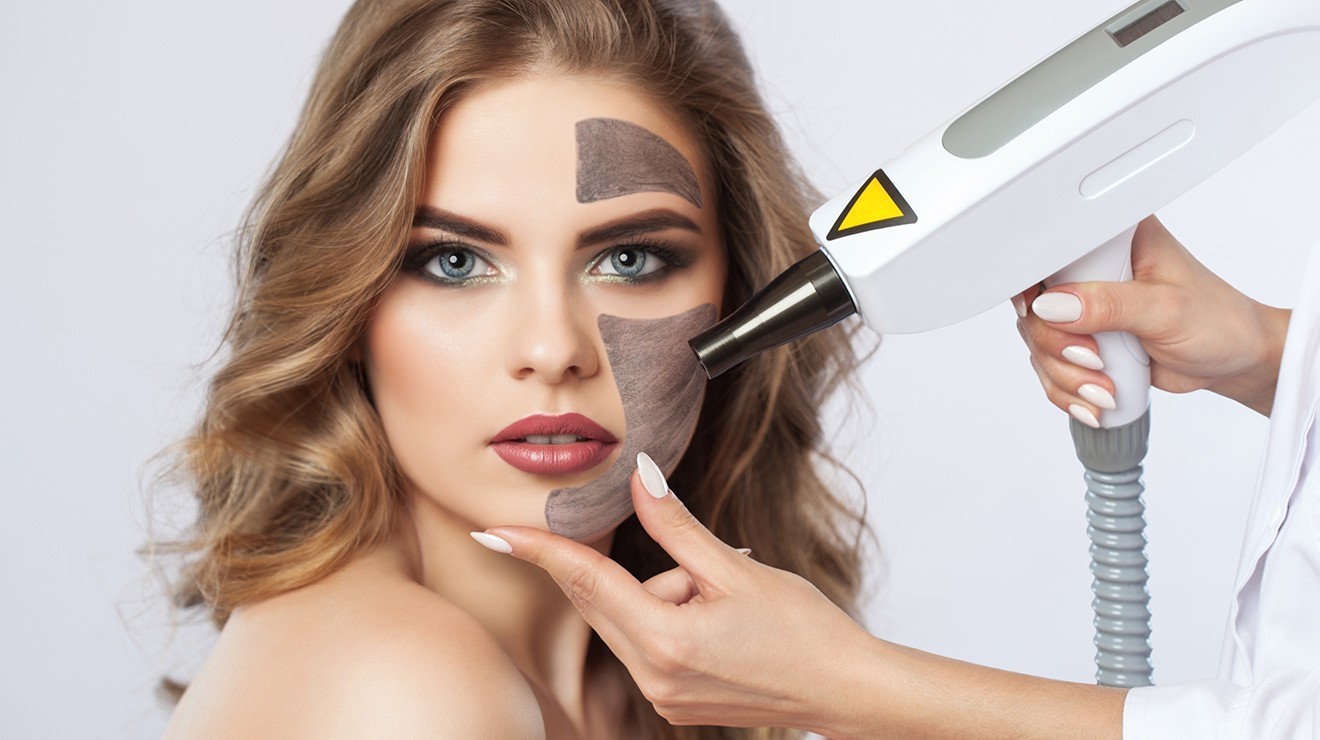
Enlarged pores are one of the most persistent skincare concerns affecting individuals across various age groups and skin types. When excess sebum, dead skin cells, and environmental pollutants accumulate within the follicular openings, pores stretch and become visibly prominent on the surface of the skin. Many people seeking smoother skin turn to Spectra Laser Carbon Peel in Abu Dhabi as a non-invasive approach to refining skin texture and restoring a balanced complexion. Understanding how this advanced light-based therapy interacts with the structural components of the skin helps clarify its effectiveness in minimizing the appearance of dilated pores.
-
Enlarged pores result from excess oil production, accumulated cellular debris, and loss of skin elasticity around the follicular opening.
-
Advanced laser carbon treatments target both surface impurities and deeper dermal structures to refine overall skin texture.
-
Exploring the biological mechanism behind laser carbon therapy reveals why it is widely utilized for pore refinement.
Understanding the Causes of Enlarged Pores
To evaluate whether a laser carbon peel can effectively shrink the appearance of pores, it is essential to first understand why pores become enlarged in the first place. Pores are tiny openings in the skin that house hair follicles and sebaceous glands, allowing natural oils (sebum) to reach the surface and keep the skin lubricated. While pore size is largely determined by genetics, several internal and external factors cause these openings to expand over time.
-
Pores serve as essential pathways for sebaceous glands to deliver protective natural oils to the epidermal surface.
-
Genetic predisposition establishes baseline pore dimensions, while environmental and physiological factors trigger visible expansion.
Excess Sebum Production and Clogging
Overactive sebaceous glands produce an abundance of sebum, particularly in individuals with oily or combination skin types. When this excess oil mixes with shedding dead skin cells and airborne pollutants, it forms a dense plug inside the pore canal. As debris builds up, the walls of the pore stretch outward to accommodate the blockage, making the opening appear significantly larger and darker.
-
Hyperactive oil glands generate surplus sebum that binds with dead keratinocytes and environmental grime.
-
Accumulated congestion physically dilates the follicular wall, creating the appearance of wide, noticeable pores.
Loss of Skin Elasticity and Collagen
As the skin ages or experiences prolonged exposure to ultraviolet radiation, the structural proteins collagen and elastin gradually degrade. These proteins form a supportive scaffolding around each pore, keeping the surrounding tissue firm and taut. When this structural support weakens, the skin begins to sag slightly, causing the circular openings of the pores to elongate and appear wider than they actually are.
-
Collagen and elastin fibers provide vital structural tension that holds pore openings tight and compact.
-
Natural aging and sun exposure degrade dermal support, leading to tissue laxity and elongated, prominent pores.
How the Spectra Laser Carbon Peel Works
The Spectra Laser Carbon Peel, often referred to as the Hollywood Peel, is a dual-stage aesthetic procedure that combines a specialized medical-grade liquid carbon lotion with a Q-switched Nd:YAG laser system. Rather than relying on harsh physical scrubs or aggressive chemical acids, this method uses photo-thermal and photo-acoustic energy to deeply purify and rejuvenate the skin.
-
The procedure pairs a liquid carbon suspension with targeted Q-switched laser pulses for deep epidermal cleansing and dermal stimulation.
-
Photo-thermal and photo-acoustic mechanisms work synergistically to clear congestion without mechanical abrasion.
The Role of Liquid Carbon
During the initial phase of the session, a thin layer of dark liquid carbon is applied evenly across the skin’s surface. Because carbon possesses remarkable absorptive properties, it naturally binds to excess sebum, dead skin cells, and microscopic impurities lodged deep within the pores. As the lotion dries over several minutes, it forms a cohesive bond with the debris lining the follicular walls.
-
Medical-grade liquid carbon acts as a magnet, binding tightly to trapped sebum, dead skin cells, and surface impurities.
-
Allowing the carbon suspension to dry ensures deep penetration into the follicular openings prior to laser activation.
Dual-Mode Laser Activation
Once the carbon has settled into the pores, the laser is passed over the skin in two distinct modes. The first pass uses a quasi-long pulse setting to gently heat the carbon and the underlying dermis, encouraging mild tissue tightening and preparing the particles for removal. The second pass utilizes a rapid Q-switched pulse that shatters the carbon particles into microscopic fragments, instantly vaporizing the carbon along with the bound oil and dead skin cells.
-
The initial laser pass delivers gentle thermal energy to warm the dermal layer and prime the carbon particles.
-
The subsequent rapid-pulse pass fragments and vaporizes the carbon, lifting away bound congestion from inside the pores.
Direct Mechanisms for Minimising Large Pores
The ability of a Spectra Laser Carbon Peel to minimize large pores stems from its simultaneous action on both the surface congestion and the deeper structural layers of the skin. By addressing the root causes of pore dilation rather than simply masking the issue, the treatment produces noticeable improvements in skin smoothness and clarity.
-
Laser carbon therapy targets both superficial blockages and underlying structural laxity to achieve comprehensive pore refinement.
-
Addressing the foundational triggers of pore enlargement promotes smoother, clearer skin texture over successive sessions.
Deep Follicular Exfoliation
Traditional facials and topical cleansers often struggle to reach the deepest recesses of clogged pores. Because the liquid carbon penetrates directly into the pore canal before being vaporized by the laser, the process clears out stubborn blackheads, oxidized sebum, and cellular buildup from the inside out. Once the internal pressure from trapped debris is relieved, the stretched pore walls can naturally relax and return to a smaller, less conspicuous state.
-
Liquid carbon reaches deep inside the follicular canal to extract stubborn blackheads and oxidized oil plugs.
-
Relieving internal congestion allows stretched pore walls to contract back toward their natural baseline size.
Sebum Regulation and Gland Contraction
The controlled thermal energy generated during the laser passes penetrates into the upper dermis, where the sebaceous glands reside. This gentle heating effect helps regulate overactive oil production by temporarily shrinking the size and activity of the sebaceous glands. With less excess oil flowing through the follicular channels, pores are far less likely to become congested and stretched again in the weeks following the procedure.
-
Targeted dermal heating moderates sebaceous gland activity, reducing overall surface oiliness.
-
Decreased sebum output prevents recurring blockages, helping pores remain tight and refined over time.
Collagen Remodeling and Tissue Tightening
Beyond clearing out existing debris, the thermal energy delivered by the laser triggers a natural wound-healing response within the dermis. Fibroblast cells are stimulated to produce fresh collagen and elastin fibers around the follicular structures. As this new collagen network matures, it tightens and firms the surrounding skin tissue, providing external structural support that pulls the edges of the pores closer together.
-
Controlled thermal stimulation activates dermal fibroblasts to synthesize new collagen and elastin proteins.
-
Reinforced structural tissue tightens around each follicle, visually shrinking the diameter of enlarged pores.
Comparing Laser Carbon Peels to Traditional Pore Treatments
Individuals exploring options for minimizing large pores often weigh laser carbon treatments against conventional topical regimens, chemical peels, and mechanical extractions. Each approach interacts differently with the skin barrier and offers varying degrees of depth and precision.
-
Evaluating laser carbon therapy alongside traditional pore-refining methods highlights key differences in precision and skin barrier preservation.
-
Understanding how each technique operates helps determine the most effective strategy for persistent pore congestion.
Topical Skincare Products
Over-the-counter toners, clay masks, and retinoids play an important role in daily maintenance by encouraging surface cell turnover and absorbing excess shine. However, topical formulations have limited penetration depth and require months of consistent application to yield modest improvements in pore size. A laser carbon peel accelerates this process by delivering immediate deep-pore clearance and targeted dermal collagen stimulation that topical creams alone cannot replicate.
-
Daily topical products help manage surface oil and mild congestion but remain limited in their penetration depth.
-
Laser carbon sessions deliver accelerated clearance and deeper dermal remodeling beyond the reach of standard creams.
Chemical Peels and Microdermabrasion
Chemical peels use exfoliating acids to dissolve dead skin cells on the surface, while microdermabrasion physically buffs away the outermost epidermal layer. While both methods improve surface brightness, aggressive chemical or mechanical exfoliation can sometimes irritate sensitive skin or leave the skin barrier temporarily compromised. In contrast, the laser carbon peel targets the carbon chromophore selectively, thoroughly exfoliating the pores while keeping the surrounding epidermal barrier intact.
-
Chemical and mechanical exfoliants strip surface skin layers, which can occasionally trigger sensitivity or barrier disruption.
-
Selective carbon targeting purifies the inside of the pore while preserving the integrity of the surrounding epidermis.
Supporting Long-Term Pore Refinement
While a single session leaves the skin noticeably cleaner and brighter, achieving lasting reduction in the appearance of large pores typically involves a structured series of sessions paired with disciplined daily skincare habits. Because skin cells continuously regenerate and sebaceous glands remain active, ongoing maintenance ensures that pores stay clear and structurally supported.
-
Sustainable pore minimization relies on completing a series of sessions complemented by consistent at-home skincare practices.
-
Ongoing maintenance prevents new debris accumulation and protects newly formed collagen fibers from degradation.
Daily Sun Protection
Ultraviolet radiation is one of the primary drivers of collagen breakdown, which directly contributes to sagging skin and widened pores. Applying a broad-spectrum sunscreen every morning protects the newly stimulated collagen network and prevents UV-induced thickening of the outer skin layer, which can otherwise trap oil inside the follicles.
-
Broad-spectrum sun protection shields dermal collagen from UV degradation, preserving skin firmness around the pores.
-
Preventing sun-induced epidermal thickening keeps follicular openings clear and prevents trapped oil buildup.
Non-Comedogenic Skincare Routine
Maintaining the clarity achieved through laser carbon sessions requires using gentle, non-comedogenic cleansers and lightweight hydrators that do not clog pores. Incorporating mild chemical exfoliants, such as salicylic acid, into a weekly routine helps dissolve excess sebum within the follicle, while topical antioxidants support ongoing skin resilience and smooth texture.
-
Non-comedogenic cleansers and moisturizers keep the skin hydrated without introducing pore-clogging ingredients.
-
Periodic use of gentle beta-hydroxy acids and antioxidants maintains follicular clarity and supports healthy skin texture.
Frequently Asked Questions (FAQs)
How many Spectra Laser Carbon Peel sessions are typically needed to see a noticeable reduction in pore size?
While many individuals observe an immediate improvement in skin clarity and surface smoothness after a single session due to deep debris removal, lasting pore minimization generally requires a series of four to six sessions spaced two to four weeks apart. This cumulative schedule allows sufficient time for sebaceous gland regulation and progressive collagen remodeling around the follicular walls.
Is the Spectra Laser Carbon Peel suitable for all skin types experiencing enlarged pores?
Yes, the Q-switched Nd:YAG laser wavelength used in this procedure safely bypasses epidermal melanin, making it suitable for a wide range of skin tones, from very fair to deeply pigmented complexions. It is particularly beneficial for oily, combination, and acne-prone skin types seeking to control excess shine and refine coarse texture without harsh surface peeling.
Can a laser carbon peel permanently eliminate pores from the skin?
No aesthetic treatment can permanently remove pores, as they are essential anatomical structures required for releasing natural oils and regulating body temperature. However, by clearing out internal congestion, moderating sebum production, and strengthening surrounding collagen fibers, the treatment significantly shrinks their visible diameter so they appear tight, smooth, and barely noticeable.
How should I prepare my skin before undergoing a laser carbon peel for pore refinement?
Preparation generally involves avoiding direct sun exposure, tanning beds, and harsh exfoliating agents such as strong retinoids or high-concentration glycolic acids for approximately five to seven days prior to the session. Arriving with clean, hydrated skin free of heavy makeup or topical irritants allows the liquid carbon to adhere evenly and ensures optimal laser absorption.