




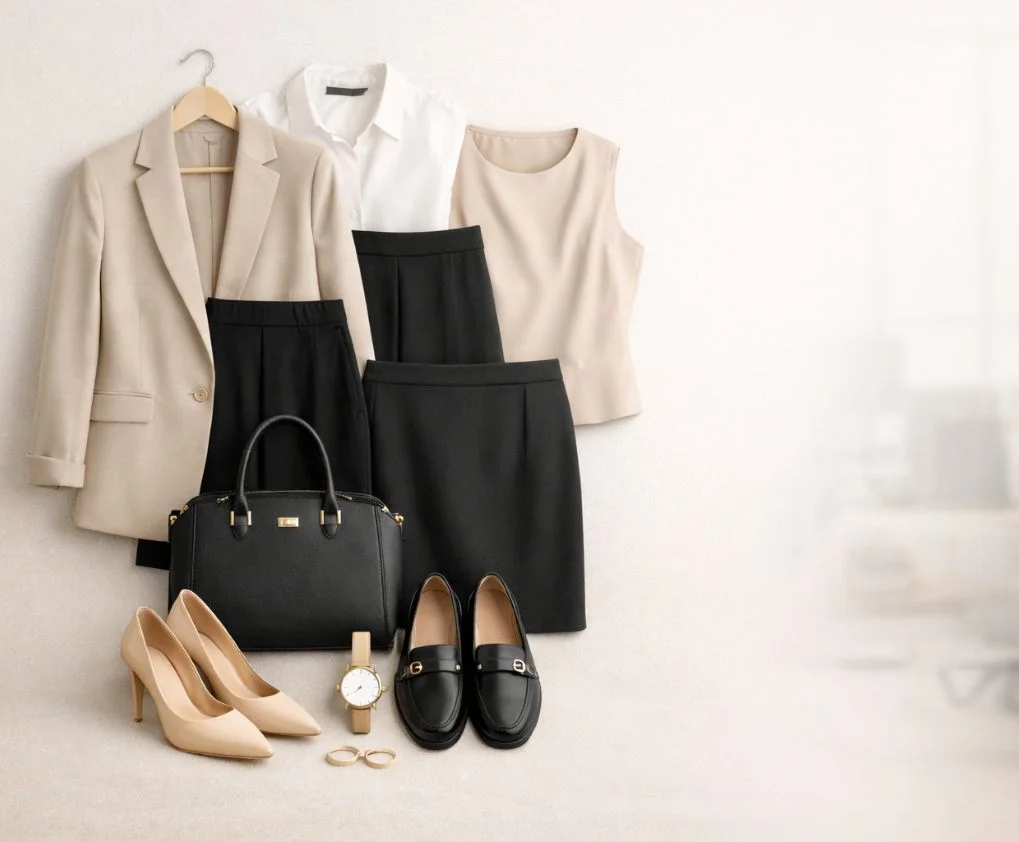
Creating a professional wardrobe does not mean filling your closet with dozens of expensive outfits. A thoughtfully planned collection of versatile clothing can make getting dressed for work easier while helping you maintain a polished and confident appearance. By choosing practical styles, coordinating colors, and investing in quality basics, you can build a wardrobe that supports your professional lifestyle. A business casual capsule wardrobe focuses on combining essential pieces that work well together, allowing you to create multiple outfits without constantly purchasing new clothing.
Whether you work in a corporate office, a creative environment, or a business with a flexible dress code, having an organized wardrobe can save time and reduce unnecessary spending. An effective office capsule wardrobe should reflect your personal style while meeting your workplace expectations. The goal is to select clothing that can be mixed and matched across different occasions, from everyday meetings to presentations and professional events. This guide explains how to build a functional business casual wardrobe step by step.
Understanding What a Business Casual Capsule Wardrobe Includes
A capsule wardrobe is a carefully selected collection of clothing designed to work together through coordinated colors, complementary styles, and versatile designs. Instead of purchasing individual outfits for every occasion, you choose essential pieces that can be combined in multiple ways. This approach makes wardrobe planning simpler and encourages more intentional shopping. It also helps reduce clutter by prioritizing clothing that you genuinely wear.
Business casual clothing generally combines the polished appearance of traditional office attire with the comfort of everyday fashion. Depending on your workplace, suitable pieces may include tailored trousers, blazers, button-down shirts, knit tops, skirts, dresses, and professional footwear. The exact requirements can vary between industries and employers, so understanding your office dress code is an important first step. Your wardrobe should feel appropriate for your professional environment without sacrificing comfort.
The biggest advantage of a capsule wardrobe is versatility. A single blazer can be paired with trousers, a skirt, or dark denim if your workplace allows it. Similarly, neutral tops can be styled with different bottoms to create several outfits. By selecting clothing with compatible colors and silhouettes, you can maximize the value of every item in your closet.
Step 1: Evaluate Your Lifestyle and Workplace Dress Code
Before purchasing anything, consider how you actually dress for work. Think about your daily responsibilities, office environment, commuting routine, and the types of professional activities you regularly attend. Someone who spends most of the day in meetings may need more structured outfits, while someone working in a creative environment may prefer relaxed combinations. Understanding these requirements prevents unnecessary purchases.
Review your employer’s dress code to identify which clothing styles are acceptable. Some workplaces allow tailored jeans, knitwear, and casual footwear, while others expect dress trousers, blouses, and formal shoes. If your workplace has specific appearance guidelines, use them as a starting point for building your collection. A successful capsule wardrobe should make it easier to follow these expectations consistently.
It is also important to consider comfort and climate. If you commute using public transportation or spend long hours at your desk, breathable fabrics and comfortable shoes may be essential. Seasonal changes should influence your choices as well. Lightweight shirts and trousers may work during warmer months, while cardigans, structured coats, and layering pieces become more useful during colder weather.
Step 2: Choose a Coordinated Color Palette
Color coordination is one of the most important elements of a functional office capsule wardrobe. Selecting a limited group of complementary colors allows you to combine different pieces without spending too much time planning outfits. Neutral shades such as black, navy, gray, beige, white, and cream are popular foundations because they work well together. You can introduce additional colors through shirts, accessories, and seasonal pieces.
Start by selecting two or three primary neutral colors that suit your personal preferences. For example, navy, black, and cream can create a sophisticated foundation for professional clothing. Add one or two complementary shades, such as burgundy, olive, soft blue, or chocolate brown, to introduce variety. A coordinated palette makes shopping easier because you can quickly determine whether a new item will work with your existing clothes.
Your color choices should also complement your skin tone and personal style. You do not need to follow a strict neutral-only approach to create a professional wardrobe. The purpose of a capsule collection is to make clothing combinations easier, not to limit self-expression. Choosing colors you genuinely enjoy wearing makes it more likely that you will use your wardrobe regularly.
Step 3: Invest in Essential Business Casual Clothing Pieces
Once you understand your workplace requirements and preferred colors, start identifying the essential clothing items for your collection. Focus on versatile pieces that can be styled in several ways rather than buying multiple outfits with similar purposes. The right combination of tops, bottoms, layering pieces, and dresses can create a practical wardrobe for different professional occasions.
Essential tops
- White and neutral button-down shirts
- Classic blouses in versatile colors
- Simple knit tops
- Fine-knit sweaters
- Professional long-sleeved shirts
These pieces can be worn with tailored trousers, skirts, and other office-appropriate bottoms. Choose comfortable fabrics that maintain their shape and are easy to care for. Simple designs are generally easier to coordinate with different outfits.
Essential bottoms
- Black or navy tailored trousers
- Straight-leg dress pants
- Neutral pencil or A-line skirts
- Dark, well-fitted jeans if permitted
- Comfortable wide-leg trousers
Having several reliable bottom options makes outfit planning much easier. Choose cuts that fit comfortably and allow natural movement throughout the working day. Well-fitted trousers and skirts can also make simple tops look more polished.
Essential layering pieces
- One structured blazer
- A neutral cardigan
- A lightweight sweater
- A professional coat or jacket
Layering pieces add versatility and help adjust outfits for changing temperatures. A blazer can make a basic shirt and trouser combination look more formal, while a cardigan offers a relaxed alternative for everyday office wear.
Essential dresses
- A simple knee-length or midi dress
- A neutral shirt dress
- A versatile wrap-style dress
Dresses are useful when you want a complete outfit without combining multiple separate pieces. Choose comfortable designs that suit your workplace dress code and can be styled with different shoes and accessories.
Step 4: Select Comfortable and Professional Footwear
Footwear plays an important role in completing a business casual outfit. Even a simple combination of trousers and a shirt can look more polished when paired with suitable shoes. However, professional footwear should also provide comfort, especially if you spend long hours standing, walking, or commuting.
Consider building your collection around a few versatile styles. Loafers, ballet flats, ankle boots, low heels, and classic pumps can complement different business casual outfits. Neutral colors such as black, brown, beige, and navy are generally easy to coordinate with professional clothing. Select footwear according to your workplace expectations and personal comfort requirements.
Quality and fit should be more important than following every footwear trend. Shoes that cause discomfort are unlikely to become regular wardrobe favorites. Look for supportive designs, suitable materials, and practical heel heights. Keeping shoes clean and in good condition also helps maintain a polished overall appearance.
Step 5: Build Multiple Outfits by Mixing and Matching
The real value of a capsule wardrobe becomes clear when you begin combining individual pieces into complete outfits. Instead of thinking about clothing as separate items, consider how different tops, bottoms, shoes, and accessories work together. A coordinated collection can create numerous combinations without requiring a large number of garments.
For example, a white button-down shirt can be paired with black trousers for a classic office outfit. The same shirt can also work with a beige skirt or navy trousers for a slightly different appearance. Adding a blazer creates a more formal look, while replacing it with a cardigan provides a relaxed alternative. Small changes can make familiar clothing combinations feel fresh.
Here are some practical business casual outfit combinations:
| Outfit combination | Suitable occasion |
| Blazer, white shirt, and tailored trousers | Meetings and presentations |
| Knit top, wide-leg trousers, and loafers | Everyday office wear |
| Midi dress and ankle boots | Business casual days |
| Button-down shirt, skirt, and flats | Client-facing appointments |
| Cardigan, neutral top, and dress pants | Comfortable office days |
| Blouse, dark jeans, and structured blazer | Relaxed workplaces |
Planning several combinations in advance can make your mornings less stressful. You can also photograph your favorite outfits and save them for days when you do not have time to experiment. This simple habit helps you make better use of your existing clothing.
Step 6: Add Accessories That Complete Your Professional Look
Accessories can make simple outfits look more intentional without requiring additional clothing purchases. A structured handbag, classic belt, understated jewelry, and suitable watch can add finishing details to business casual combinations. These items can also help express your personality while keeping your overall appearance professional.
Choose accessories that coordinate with your wardrobe colors and everyday needs. A neutral handbag, for example, can complement several outfits without requiring frequent changes. Simple earrings, delicate necklaces, and classic watches are versatile options for different professional environments. If your workplace allows more expressive styling, you can also introduce color through scarves and statement accessories.
Avoid purchasing accessories simply because they are fashionable. Instead, focus on items that complement several pieces in your collection. The purpose of a capsule wardrobe is to simplify dressing, and accessories should support that goal. A few carefully selected items are often more useful than a large collection of accessories you rarely wear.
Step 7: Shop Strategically and Focus on Quality
Building a functional business casual capsule wardrobe does not require purchasing everything at once. Start by reviewing the clothes you already own and identifying pieces that fit well, suit your workplace, and coordinate with your preferred colors. You may already have several essential items that can become the foundation of your collection. Shopping your existing closet first can prevent unnecessary spending.
Once you identify missing pieces, create a shopping list based on actual needs. Prioritize items that can be worn with several outfits, such as tailored trousers, neutral shirts, and versatile layering pieces. Consider fabric quality, construction, fit, and care requirements before making a purchase. Clothing that maintains its shape and appearance through regular wear can provide better long-term value.
You should also avoid buying clothing that looks attractive but does not fit your lifestyle. An expensive blazer is not a worthwhile investment if you rarely wear structured outfits. Similarly, trendy shoes may remain unused if they are uncomfortable for your commute. Thoughtful shopping means choosing clothing that supports your everyday routine and personal preferences.
Maintaining and Updating Your Office Capsule Wardrobe
Once your capsule wardrobe is complete, maintaining it properly will help extend the life of your clothing. Follow garment care instructions, store items appropriately, and address minor repairs before they become bigger problems. Regularly organizing your closet also makes it easier to identify which pieces you wear frequently and which items no longer serve a purpose.
Seasonal updates can keep your wardrobe practical throughout the year. During warmer months, you may rely more on breathable shirts, lightweight trousers, and comfortable flats. In colder weather, layering pieces, sweaters, structured coats, and ankle boots become more useful. You do not need to replace your entire collection whenever the seasons change; simply adjust a few items to suit the weather.
It is also worth reviewing your wardrobe every few months. Consider whether your clothing still fits comfortably, matches your professional needs, and reflects your personal style. Replace worn-out essentials when necessary and avoid accumulating duplicate items without a clear purpose. A well-maintained collection should evolve gradually as your career, preferences, and lifestyle change.
Conclusion
Building a business casual capsule wardrobe is a practical way to simplify your professional clothing choices while maintaining a polished appearance. By understanding your workplace dress code, selecting a coordinated color palette, and investing in versatile essentials, you can create multiple outfits without overcrowding your closet. The key is choosing clothing that combines comfort, quality, and personal style.
A thoughtfully organized office capsule wardrobe can also make everyday dressing more efficient and reduce unnecessary shopping expenses. Start with the pieces you already own, identify essential gaps, and gradually add clothing that works with your existing collection. With strategic planning and regular maintenance, you can develop a professional wardrobe that supports your career, fits your lifestyle, and makes getting dressed for work easier every day.