




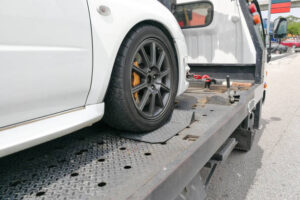
Corolla, NC is a coastal area, so wind, sand, and salt air are real conditions around a disabled vehicle, not details to add later. This advice fits cars, trucks, and SUVs stopped on public roads, driveways, or rental properties; collision scenes and flooded vehicles need emergency direction first.
Use this quick sort to frame the call:
Vehicle will not restart: Share location, make, model, drivetrain, and whether the wheels roll.
Vehicle sits off pavement: Mention sand, soft ground, gates, and the distance from parking area.
Collision or water exposure: Tell dispatch about injuries, leaking fluids, damaged wheels, or standing water before loading is planned.
Your First Call Sets the Recovery Plan
Details matter. Information from the driver’s seat gives the operator what equipment selection needs, while small facts change loading time, towing method, and where passengers wait at the roadside. That is why breakdown recovery in Corolla, NC starts with a clear description of the vehicle and its position.
What details should you send before help arrives?
Your first call should give dispatch the vehicle’s exact location, make, model, drivetrain, and condition. Dispatch uses those details to match a truck and confirm whether the vehicle rolls, steers, and has accessible tow points. Keys left inside, a locked steering wheel, or a damaged tire changes the handoff even when the engine is the only reported problem. Manufacturer tow guidance identifies approved attachment points for safe transport. A third-party parking lot adds one more detail: tell the operator who is authorized to release the vehicle.
Local Conditions Make Vehicle Recovery Different in Corolla, NC
Coastal conditions matter. Sand under tires, salt around metal, and rental-property access affect where equipment parks and how the handoff is arranged for a disabled vehicle on the property.
Why do sandy shoulders complicate roadside loading?
In Corolla, NC, a sandy shoulder complicates loading even when the vehicle itself is undamaged. Loose sand gives tires and heavy equipment less predictable footing, so an operator checks the surface before choosing a winch or ramp position. A soft shoulder is not the same as a firm driveway; the truck may need a safer alignment or a different approach. Recovery equipment must be placed on stable ground before loading begins. If traffic, water, or loose sand limits that position, emergency responders or a second unit may be needed.
Vacation rental driveways need more than an address
Vacation-rental access in Corolla, NC runs more smoothly when the person on site reports the gate, parking pad, and vehicle position before arrival. A driveway that looks open from the road narrows at a fence, parked car, or covered entrance, leaving little room to line up a ramp. Vehicle recovery equipment needs a workable approach, not merely a destination address. A property manager or guest with the key code prevents a locked gate from turning a short load into a delayed handoff. Third-floor access changes nothing for towing, but a blocked driveway does.
Salt air changes what a coastal recovery call needs
Salt air and storm conditions change what a driver should report before a coastal recovery call. Mention standing water, fresh debris, or visible corrosion near a wheel or battery area; those clues affect whether the vehicle is treated as a normal tow. Salt speeds corrosion on exposed metal, while water affects electrical systems and braking parts. Coastal weather here leaves a parked vehicle surrounded by sand or water after a rough spell. If the scene is unsafe, emergency services take priority over loading at once.Keys, wheels, and tow points change the handoff
A vehicle with nonrolling wheels needs a different loading plan from one that simply will not start. Picture a dead battery in a level driveway: a flatbed towing setup may suit it. Picture a bent wheel after a curb strike: the operator first checks whether rolling would worsen damage. A flatbed carries all four tires off the road when the vehicle and site allow that method. All-wheel drive and four-wheel drive vehicles often require manufacturer-approved transport methods, so the owner’s manual or vehicle data matters. A low gate or steep apron changes the equipment choice.
Safety Choices Protect the Vehicle and Shoulder
People come first. A disabled vehicle creates two risks at once: damage during loading and exposure beside moving traffic. Sound decisions protect people first, then the vehicle, during any roadside loading decision.
Which tow points are safe after vehicle damage?
Tow equipment should attach to the vehicle’s approved points, not the most convenient bumper or suspension part. A low bumper, loose trim, or bent wheel makes a quick-looking hookup unsafe. Wheel-lift towing raises one end, so the operator checks drivetrain, clearance, and manufacturer instructions before moving. A vehicle’s tow points or hooks are designed for specified loads, not every recovery angle. If the vehicle has severe underbody damage, transport planning changes before the truck pulls. A damaged bumper is not a rated attachment point unless the maker says so.
When is recovery unnecessary for a running vehicle?
Recovery is not always the right purchase when a vehicle is safe to drive and a repair shop is close. If the engine runs normally, steering and braking feel normal, and no warning points to an unsafe fault, a careful drive may be reasonable; if the vehicle stalls again or leaks fluid, stop using it. A jump start that only gets the car moving is not proof the battery or charging system is fixed. Manufacturer warnings and road conditions outrank convenience for every driver.
Provider Questions Separate Fit From Guesswork
Ask before accepting equipment. Matching the service to the failure matters more than accepting the first equipment label offered by phone, because a wrong fit creates delay at the vehicle.
What should you ask any recovery provider first?
Ask any provider, ‘What equipment and access details do you need before dispatch?’ A good answer names the truck type, drivetrain limits, vehicle condition, parking surface, and who will release the keys. Vague replies often lead to a second truck, a blocked gate, or an unsafe change at the roadside. Roadside assistance may solve a battery or tire problem without transport, while winching is a recovery operation for a vehicle that fails to reach firm ground under its own power. The answer changes when collision damage affects steering or wheels.
If the vehicle rolls, which towing option fits?
If the vehicle rolls, steers, and has sound tires, roadside assistance or a wheel-lift assessment may fit; if it fails to roll or has all-wheel drive, request a transport method approved for that vehicle. A simple test is not enough after impact because hidden steering or suspension damage may worsen during movement. Low-clearance vehicle owners also need ramp and approach information before accepting a flatbed. Manufacturer instructions control when the vehicle’s drivetrain, body kit, or suspension limits ordinary towing. A tight gate changes the answer again before loading begins.
Questions Drivers Ask Before Calling for Recovery
These questions cover timing, do-it-yourself limits, safety, and the details that change a vehicle handoff.
How long does vehicle recovery usually take?
Arrival time is set by location and truck availability. A roadside call with a location and vehicle description is easier to route than ‘I’m near the beach.’ Severe weather, traffic control, or a second unit changes the estimate.
Can I tow my vehicle myself?
DIY towing is not safe for most roadside breakdowns. Passenger vehicles need rated equipment, correct attachment points, and traffic protection; an improvised strap or another car may damage steering parts or create a moving hazard.
Do I need recovery if my car starts again?
You need recovery when driving risks people or the vehicle. A stalled car, damaged wheel, leaking fluid, or unsafe shoulder shifts the decision toward professional transport; a sound car that starts and drives normally may not require it.
Is it safe to load a vehicle with exposed wiring?
A vehicle with smoke, fuel odor, or exposed wiring needs emergency guidance first. Move passengers only as directed by responders, and tell the operator what you see; loading plans change when fire, chemical, or electrical hazards are present.
What is the difference between roadside help and recovery?
Roadside assistance and vehicle recovery are different services. Roadside help addresses a limited fault at the vehicle, while recovery moves or retrieves a disabled vehicle; one call may involve both, but the equipment and risks differ.
How can I tell which tow method fits?
Warning lights alone don’t tell you the right tow method. Drivetrain, wheel movement, steering condition, ground surface, and clearance give a better answer, especially after impact or water exposure.
What should I check before the truck arrives?
Ask who releases the vehicle and where the keys will be. Property staff, a locked gate, or an absent owner may stop loading even after the truck arrives, so authorization belongs in the dispatch notes.
What if my vehicle is stuck in sand in Corolla, NC?
Corolla, NC calls need extra attention to sand and weather. Tell dispatch if tires sit in soft ground, water surrounds the vehicle, or a gate limits approach; those facts affect truck placement before anyone begins loading.
Getting Help With a Disabled Vehicle
Before booking, photograph the vehicle from a safe position and note dashboard warnings, but never walk into traffic to get a better angle. Ask any provider, ‘What happens if the vehicle cannot be loaded safely on arrival?’ A good answer explains the fallback plan, names the safety limit, and tells you whether another service or location is needed. We’d rather explain that a different service fits than send the wrong truck.
When you need a breakdown recovery service in Corolla, NC, North Beach Recovery will discuss the vehicle, surface, access, and safest next step with you. Call North Beach Recovery at (252) 453-0573 when the vehicle is stopped and you need help deciding how to move it.
- "Business"
- "Inventor Resources"
- "Marketing"
- Abarta
- accountance
- ACTIVATE
- Adult 18+
- Affiliate Marketing
- AI photo editing
- Air Conditioner
- Algernon
- Alphaa
- Announces
- Annual
- Arden
- Ariana
- ArmourLite
- Artisans
- Assisted
- Automobile
- Avertising
- Avrupa
- Baby & Parenting
- Bajer
- Baronowski-Schneider
- Bathroom Remodeling
- Battery Recycling
- Behaviour-Led Learning
- Best Matrimonial Lawyer in Delhi
- BestGrowthStocks
- BetBrain
- Beyond
- BioHarvest
- Biologics
- Black
- Block
- Blog
- Blumaka
- Boardwalktech
- Boat Charter
- Books
- Brains
- Britt
- Brittany
- Brock
- Building
- Bulsara
- burger
- Business
- Business
- CaesarVerse
- Calypso
- car body repair Stockport
- Car driving School
- car inspection Dubai
- Car rental
- Cardenxe
- Career Growth
- Career Growth
- Castelnau
- CENTR
- Cesar
- Change
- charging station
- Civil aur Structural Engineering Services
- cleaning service
- Clever
- Clothing
- Cloud
- Cloud Hosting
- Coinscan
- Colife
- Commercial Roof Coating
- concrete contractors
- Concrete Lifting
- Connon
- Construction
- Consulting
- Consumer
- Copper
- Corporate Taining
- Corporate Training
- Coupons & Discounts
- crawl space insulation
- Crypto
- CryptoOG
- Curtains
- Custom Printed Papers
- Daniel
- Darshani
- Data Analysis
- Debris Removal
- Degree
- Dental Care
- Diamonds
- digital marketing
- Digital Marketion
- Dignity
- Direxion
- Display
- Ditch
- Door Installation
- Drainage Services
- driving instructor
- driving school
- Dubai to Spain Car Shipping
- E-Waste Recycling
- educaion
- education
- education
- Eileen
- Electric Scooters
- EmpowerHER
- Energy
- Engineering
- Entertainment
- Environmental Consulting
- Escort
- Escort
- Events
- Events Company
- Expands
- ExpressGene
- FairFigure
- Fashion
- FeganScott
- FemFounder
- Fence
- Fifth
- finance
- Financial
- Fishing
- Fitness
- Fiverr
- Fleks
- Florist
- FocusU Learning
- Foley
- Food
- food dogs
- Foods
- Forever
- FountainHead
- Foxhall
- Franchise
- Francisco
- Freedom
- Fresh
- Full Stack Development
- Furniture
- furniture
- Games
- Games
- Games
- Gardering
- Gate Builders
- Gathering
- General
- Glass Installation
- Global
- Golden
- GraphLinq
- Group
- Hailo
- hajj and umrah travel agency
- Health
- Healthcare Jobs
- Heat Exchanger
- Heater
- Heather
- Helen
- Hennessey
- Home & Kitchen
- Home and gardening
- Home Decoration
- home ev charging station
- Home Improvement
- Home Improvements
- Home Services
- Horse race
- Hot Tubs & Spa Accessories
- Hotel Furniture Supplier
- Humble
- HVAC
- Hydrogen
- Hygiene products manufacturer
- Industrial Cooling Solutions
- Industrial Cooling Systems
- Industrial Plastics and Machinery
- Initiative
- InspoThoughts
- Insulation
- Integrates
- interior lighting
- International Relocations UAE
- Internet
- Introduces
- Invest
- Investors
- iOS app development company in UAE
- IOS App Development Services
- iptv
- ISS Relocations
- Jewellery
- Jonah
- Jovial
- Kids & Baby Products
- Kitchen
- Kitchen Appliances
- Kodal
- Kseniia
- landscaping services
- Language
- Lawyer
- Leadership
- Leading
- Leather Jackets
- legal
- Liberty
- Life Style
- Lifestyle
- Lifestyle
- Lithium
- Local Seo
- Lovin’
- Lunnon
- Manufacturing
- MarketSmiths
- massage
- Mastery
- Mattenga
- Mattress
- Medical
- Medical & Health
- Medical Broker
- medical practice broker
- Medicus
- member portal software
- Mental Health
- Metals
- Michael
- Mindful
- Minted
- Mirela
- Mobile App Development Company in Abu Dhabi
- Mobile Repair
- Modern
- Mold Inspection
- Moments
- Monat
- Montage
- Moving From Dubai to Spain
- Moving Services
- Mozverse
- Multmetric
- Nanohydr
- Neinstein
- Netcompany
- Nevis
- Nicole
- Nikki
- Nutrition supplement
- Ocean
- Off-Roading & Overlanding
- Official
- Omnia
- Online Earning
- Online education
- online games
- online games
- Outboard Motor
- Outdoor Construction
- Pantheon
- Partnerships
- Payop
- Pegasus
- Peptides
- Peptides Suppliers
- Perceptage
- pet import rules
- Pet Relocation
- PetroSky
- Photo Studio
- Physical Therapy
- Physiotherapy
- Pioneer
- Podcast
- pool cleaning
- pool remodeling
- Popcorn
- Post Construction Cleaning Louisville KY
- Pregnancy
- Preity
- Premium Number Plates Marketplace
- Press Release
- private office coworking space
- Products
- Property
- Propy
- Real Estate
- Rebecca
- Refrigerator Repair
- Resources
- Restaurant
- Restaurant consulting
- Reveals
- Revenue
- Reward
- Rises
- Romacorp
- Roof Cleaning
- Roofing Contractor
- Roofing Contractor
- Royal
- Ryvid
- Saas
- Sales
- Sattach
- Sattaché
- scale
- Scarpe
- Scrap My Car
- security service
- Serial
- Service
- serviced Apartments
- services
- Shannon
- Sheena
- Shopping
- Sierra
- Signaling
- Silver
- Simple
- Skilled Trades & Vocational Training
- Sleep Technology
- Smarter
- Snisarenko
- SocialSharings
- Sock
- Software
- Solar Installation
- solar system
- South
- Space
- Spatial
- spiritual guide
- Sports
- sports gaming
- spray foam insulation
- Steinberg
- Steppe
- Storage service in Dubai
- Strategic
- Strategy
- SugarDaddyMeet
- Summer
- Surety
- Surges
- Swimwear & Beachwear
- SydeLabs
- TAPNET
- Taurus
- Taxi service
- Taylor
- Tech
- tech
- Technology
- Testing Instruments
- Tiles
- Timber
- Timothy
- Toilet Partitions
- Tools/Equipment
- Towing services
- Tradara
- TradingView
- Transform
- Travel
- Travel
- Trust
- Ubunzo
- Uncategorized
- Under-The-Radar
- Unstoppable
- Vanessa
- Venom
- Ventures
- Veriphy
- VKTRY
- Voltage
- Washing
- Waste
- WealthBlock
- Website
- Webvar
- Weewu
- WELL Certification
- WhatIF
- World
- Worship
- Xalles
- youtube to mp3