






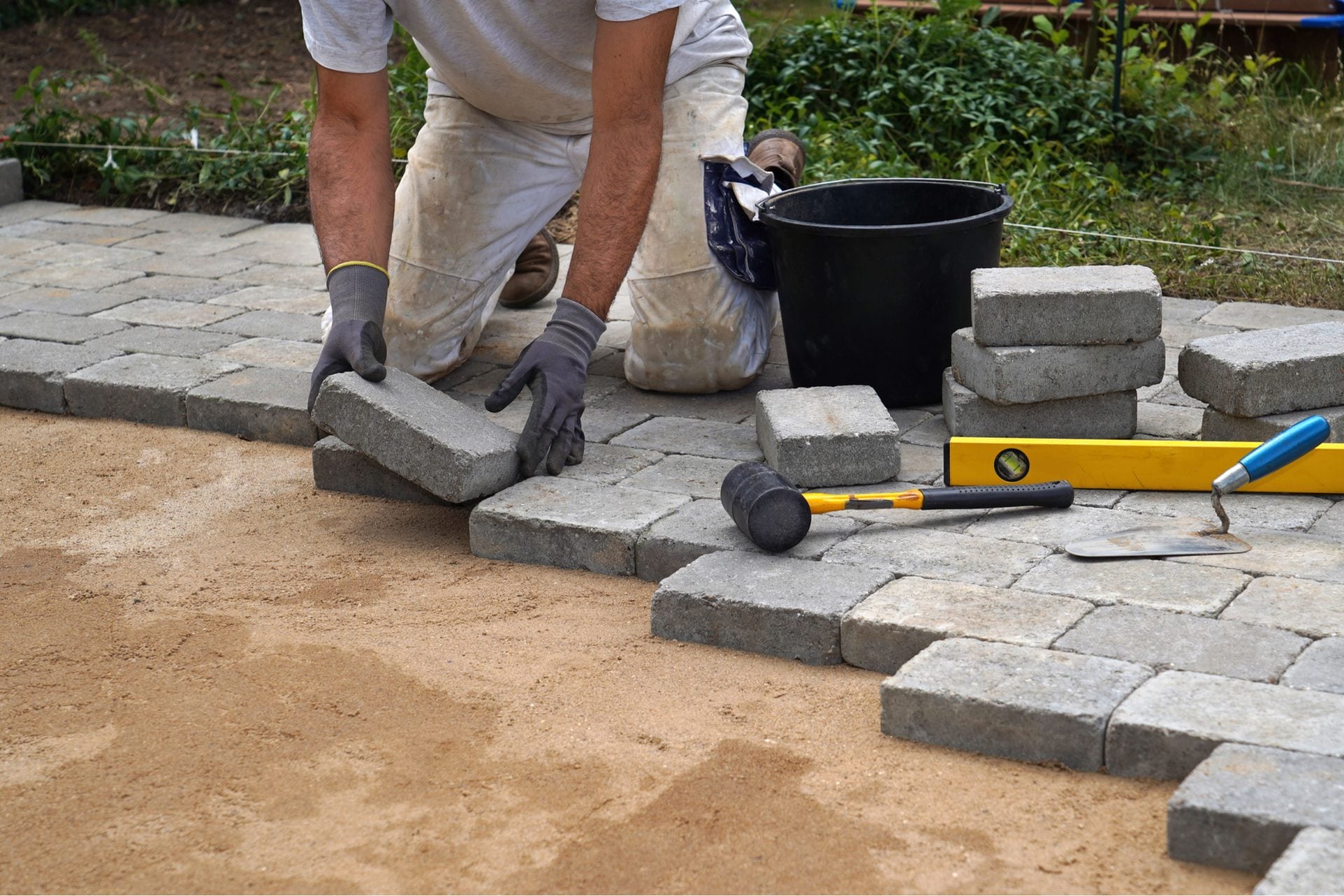
Stone patio pavers can give your backyard a clean, attractive look and create a comfortable place to relax or entertain. However, pavers may sink, shift, or become uneven when the ground beneath them is not prepared correctly. Poor drainage, loose soil, and weak base materials are common causes. Quality paver patio installation Holly, MI helps homeowners avoid these problems and enjoy a stable outdoor surface for years.
Uneven pavers are more than an eyesore. They can create tripping hazards, collect water, and make outdoor furniture wobble. The good news is that careful planning and proper installation can prevent many of these issues.
If you are planning stone paver patio installation Holly MI, understanding what causes pavers to move will help you make smart choices before construction begins.
1. Start With Proper Ground Preparation
Remove unstable soil before laying pavers
A strong patio begins below the surface. Installing pavers directly over grass, loose dirt, or poorly compacted soil can lead to settling. As the ground shifts under pressure, some pavers may drop lower than others.
Before construction, the area should be marked and excavated to the proper depth. The required depth depends on soil conditions, paver thickness, and how the patio will be used. Soft soil may need extra attention to create a stable foundation.
Create a firm and even base
After excavation, installers typically add compactable aggregate in suitable layers. Each layer needs proper compaction to reduce air pockets and limit future movement. The surface should also be graded carefully to support drainage.
Professional stone paver patio installation Holly, MI takes these steps seriously because small mistakes beneath the surface can cause visible problems later. Preparing the ground correctly helps the patio support outdoor furniture, foot traffic, and regular backyard use.
2. Build a Stable Base With Suitable Materials
Why base depth and compaction matter
The base distributes weight across the ground and helps keep individual pavers in place. If it is too thin, uneven, or poorly compacted, the patio may settle under normal use. Heavy furniture, outdoor kitchens, and frequent foot traffic can place additional pressure on weak areas.
Crushed aggregate is commonly used because it can be compacted into a firm foundation. The right material and depth depend on the site, soil type, and expected load. A bedding layer is then prepared to support the pavers evenly.
Avoid shortcuts during installation
Adding extra sand does not correct a weak base. In fact, an overly thick or uneven bedding layer can contribute to movement. Each part of the foundation has a specific purpose and should be prepared carefully.
With paver patio installation Holly, MI, proper base construction helps create a level surface that stays in place. Experienced installers also check the finished levels and use suitable edge restraints to limit spreading along the patio’s borders.
3. Manage Drainage to Protect Your Patio
Keep water from collecting beneath pavers
Water is one of the main reasons patio surfaces become uneven. When rainwater collects near the patio, it can soften the soil beneath the base. In colder weather, freezing and thawing can contribute to ground movement and shifting pavers.
The patio should be graded so water flows away from the house and toward an appropriate drainage area. The correct slope depends on the site, surrounding structures, and local conditions. Downspouts should also be checked to make sure they do not release large amounts of water beside the patio.
Watch for signs of drainage trouble
Look for puddles that remain long after rainfall, muddy edges, or water flowing toward the foundation. These signs may point to grading or drainage problems that need attention before installation.
Reliable paver patio installation Holly, MI includes planning for water movement from the start. Good drainage helps protect the base, reduces standing water, and supports a more durable outdoor living area through Michigan’s changing seasons.
4. Choose Quality Pavers and Secure the Edges
Select materials suited to your property
Stone and concrete pavers come in different shapes, sizes, textures, and thicknesses. The best choice depends on the patio design, expected use, and appearance of your home. Consistent sizing can also make it easier to create an even surface and neat joints.
Choose pavers designed for outdoor ground installation. Follow the manufacturer’s recommendations for bedding, spacing, and joint materials rather than relying on appearance alone.
Prevent pavers from spreading
Even a well prepared base can lose stability if the patio edges are not properly supported. Edge restraints help hold the outside pavers in position and prevent the pattern from gradually spreading under regular use.
Professional paver patio installation Holly, MI brings the base, pavers, joint material, and edge restraints together as one system. This matters for patios with curved borders, walkways, or connected seating areas. Proper installation helps maintain clean lines and reduces the chance of gaps developing over time.
5. Maintain Your Patio and Address Early Warning Signs
Check the surface throughout the year
Routine checks can help you spot small problems before they become larger concerns. After heavy rain or seasonal temperature changes, look for loose pavers, widening joints, standing water, and areas that feel uneven underfoot.
Simple maintenance includes sweeping away debris, removing weeds from joints, and keeping drainage paths clear. Avoid directing concentrated water flow onto the patio or washing away joint material with excessive pressure.
Act before the problem spreads
If one section begins sinking, the cause may be a weak base, water damage, or movement in the surrounding soil. Simply adding sand over the top usually will not solve the underlying issue.
A professional can assess the affected area and determine whether individual pavers need to be lifted, the base corrected, and the surface reset. Timely attention can help protect the rest of the patio and keep the space safe for family and guests.
Frequently Asked Questions
- Why do stone patio pavers sink?
Pavers often sink because of loose soil, poor compaction, inadequate base material, or water washing away support beneath the surface.
- Can uneven patio pavers be fixed?
Yes. A contractor may lift the affected pavers, correct the base, and reinstall them at the proper level.
- Does drainage affect patio stability?
Yes. Poor drainage can soften the ground and contribute to settling, especially during Michigan’s freeze and thaw cycles.
- How deep should a patio paver base be?
The required depth varies with soil conditions, paver type, and expected use. A site assessment helps determine the right foundation.
- How can I make my paver patio last longer?
Use suitable materials, ensure proper base compaction and drainage, secure the edges, and check the surface regularly.
Conclusion
Sinking or uneven stone patio pavers often result from problems beneath the surface. Proper excavation, a compacted base, effective drainage, secure edges, and routine maintenance all help keep your patio stable. Planning these details carefully can reduce future problems and protect your outdoor investment.
For dependable paver patio installation Holly, MI, Driftwood Landscape, Pavers & Retaining Walls can help you plan an attractive patio with the right foundation for your property. Contact the team to discuss your backyard goals and schedule a consultation in Holly or nearby Michigan communities.