




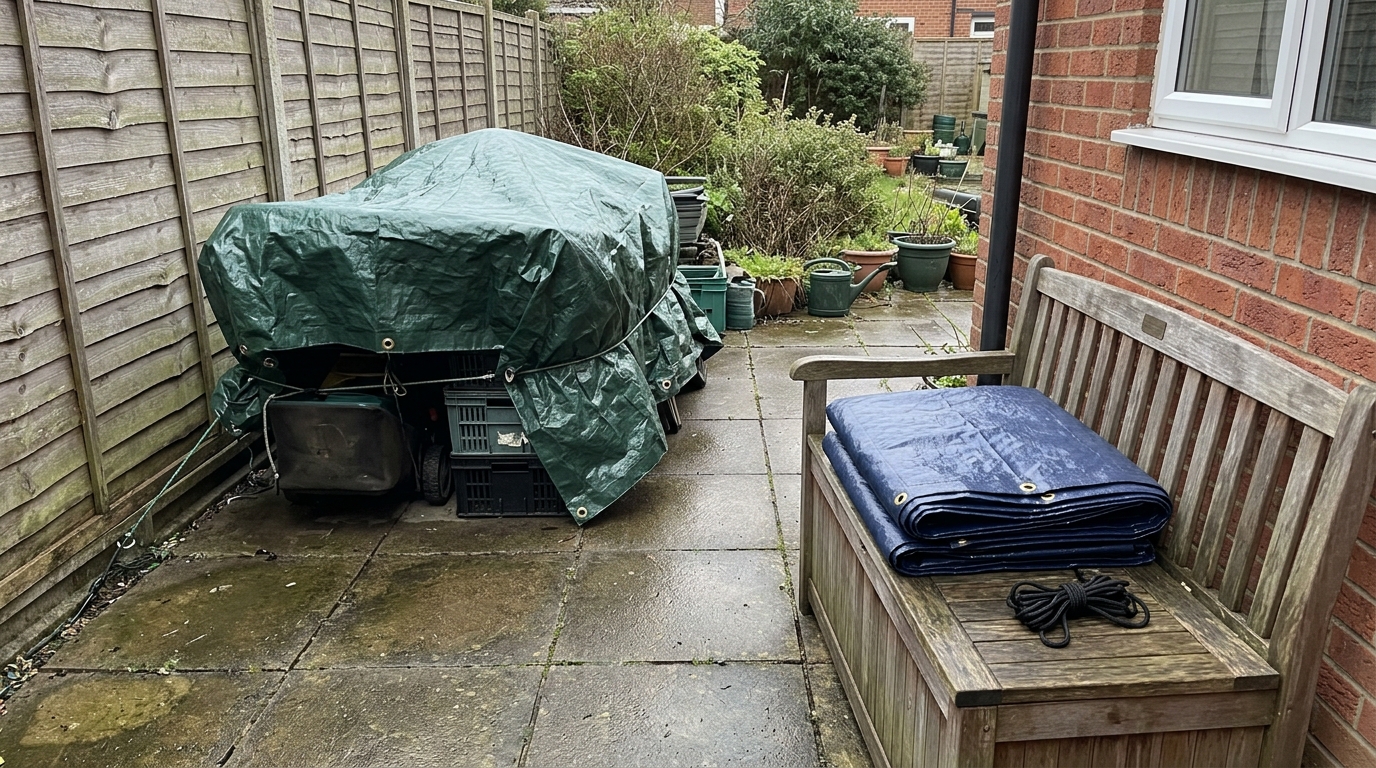
Why Long Term Storage Needs Protection
Your stored items need to be well protected from rain, dust, sunlight, and harsh weather. A quality cover will help you maintain the condition of the item, extending its life. Heavy-Duty Covers are a realistic answer for how to protect garden furniture, machinery, timber, tools, building materials, and more both at home and at industrial workplaces.
Choosing Materials That Last Longer
Material really does count when buying a cover for the long term. You might be tempted to save a few dollars with a cheap sheet to start with, but it can tear or turn faded after months spent outdoors. Heavy duty tarpaulin covers usually have a heavy woven fabric centre with a protective layer to shed water and can be reinforced at the edges with eyelets and other features.
Keeping Stored Items Dry And Clean
Moisture can lead to all sorts of problems when stored. You may have noticed your wooden planks absorbing water, your metalworking tools rusting, or furniture stored in a dampened room growing mould. A waterproof cover is there to protect your stored items from the rain, but it also requires a proper fitting, with enough room for airflow between your stored items.
Shielding Goods From Intense Sunshine
Sunlight for a long time can cause damage to a lot of products kept under. Plastic products can fade, rubber weaken and some materials colour fade. The UV resistant tarpaulin minimises the impact of harsh sunlight. This means this material is ideal to use in storage yards outside, in gardens and in open areas. Look out for the specifications before you buy because not all tarpaulins have the same sun resistance.
Understanding The Correct Cover Size
Attaching a tarp to a storage shed Size is more important than you might imagine. Anything that is left exposed to the elements by a small sheet can get soaked by rain. Anything that is secured on all sides but is too large and swings in the wind gets blown around. Make sure to buy a sheet large enough that it extends far enough around the entire storage area.
Utilising Durable Eyelets And Fixings
The tarp you buy must be able to be secured firmly. Metal eyelets around the edges will help you tie your sheet onto a frame, a fence, or a storage shed. Use strong cord, straps, or elastic tie-downs, but don’t over tighten. Over tension will stress the eyelets. Periodically inspect the fixings after a heavy rain or windy spell.
Storing Garden Equipment Outdoors
Extra storage space for lawnmowers, garden tools, pots, firewood, and outdoor furniture is a regular concern for most homeowners. A tough tarp is a cheap way to safely store your equipment without having to build a new shed and keep everything free of dirt and leaves. Be mindful of rough edges on tools that could create holes in the sheet. Set large equipment on a hard, dry surface first.
Safeguarding Equipment And Industrial Materials
The yard of an industrial facility can contain a lot of equipment, spare parts, metal sheets, pipes, and building supplies outside. All that equipment can become less valuable if it gets exposed to water and dirt. A large tarp can help protect large loads and many items that have to be kept outside. Be sure to select a product that is compatible with the weight and size of the items.
How To Prevent Wind Damage During Storage
When a tarp edges not tucked in, use wind to your advantage in the shed. It may lift the sheet, rip the eyelets and let everything in the storage unit get soaked. Tie down all four sides of a tarp and don’t use any big unruly portions. A basic, supportive frame will hold a cover over a wide storage space. Test your tarp before wind storms roll through. Minor tear could be a big hole in the end.
Keeping Water From Pooling Above
Excess water can pool on a flat cover and make the material work harder. This can pull at the sheet or even break some fixing points. Slightly raised to shape water and minimise water retention. When covering large areas position a support underneath in the centre of the covering – a small adjustment that can extend the life of a tarp and make stored items drier.
Cover Maintenance And Inspection
Even high-quality materials require some maintenance. Inspect the sheet for any tears, loose eyelets, weak corners or stitches from time to time. Wash off mud, dust and leaves using water mixed with a little bit of soap. Refrain from using abrasive brushes as they can cause scratches. Finally, give the material a thorough dry before folding it away.
Repairing Small Tears Before They Spread
You might not think a tiny tear is a big deal, but the wind will often continue tearing the sheet. Inspect the damaged spot, and cut a patch from the repair product that is compatible with the tarp material. Clean and dry the patching location, then apply the patch according to the manufacturer’s instructions. If the sheet has multiple large tears or weak spots, consider replacing it for greater protection.
How To Properly Fold And Store Tarps
When not in use keep the cover carefully folded, ensure it is clean and dry before storing. A cloth cover can become mouldy, or produce a bad smell if stored while wet. Don’t jam your covers into a small space, loosely fold them and don’t keep them near sharp objects or chemicals which could damage the material. A dry storage shelf or clean storage box is perfect for your spare tarpaulins.
Thoughts for A Better Long Term Choice
If you pick the right cloth and treat it well, the right tarp can last for years when storing goods. This means that it will last for years when you use the right material and take care of it. Check out the thickness, waterproofing, UV protection, eyelets, and overall size of a tarp before buying it. Consider the location of the sheet and the things that it will be covering.