




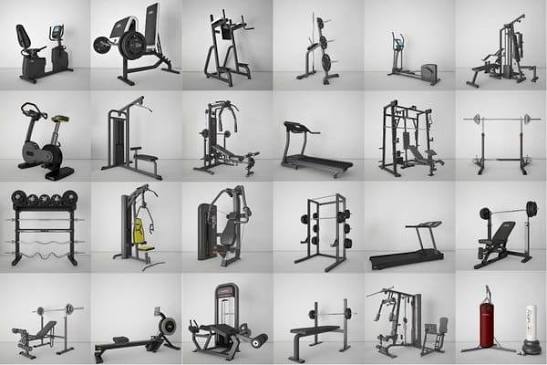
Choosing between new and used equipment matters when opening a gym or upgrading an existing facility. Both options can help you create a useful workout space, but they differ in price, condition, warranty, and maintenance needs. Before exploring gym equipment for sale, consider your budget, members’ needs, and how often each machine will be used. These factors can help you make a practical buying decision.
Understand the Benefits of Buying New Gym Equipment
New equipment gives gym owners unused machines, updated designs, and manufacturer support. It may suit facilities that want current models and consistent equipment condition.
- Unused Condition: Machines arrive without wear from previous users.
- Latest Features: Newer models may offer digital displays, improved controls, and workout settings.
- Manufacturer Warranty: Many new machines include coverage for eligible repairs and parts.
- Fewer Immediate Repairs: New equipment generally needs fewer initial repairs when installed and used correctly.
Buying new can be a good choice when reliability, updated features, and warranty support matter most.
Know Why Used Gym Equipment Can Be a Practical Choice
Used equipment helps gym owners control initial spending while adding machines to their facilities. However, each item’s condition needs careful attention.
- Lower Purchase Price: Pre-owned machines often cost less than comparable new models.
- More Equipment Within Budget: Savings may allow owners to buy additional machines.
- Established Models: Older machines may have simple designs and familiar controls.
- Flexible Buying Options: Owners can purchase individual machines instead of a complete new range.
Used equipment can offer good value when you inspect it carefully before buying.
Compare the Costs of New and Used Equipment
The purchase price is only one part of the expense. Account for delivery, installation, repairs, and ongoing maintenance.
- Initial Spending: New machines usually require a larger upfront investment.
- Repair Expenses: Used equipment may need servicing or replacement parts sooner.
- Warranty Coverage: New products often include manufacturer support, while used machines may have limited coverage.
- Long-Term Value: Consider expected usage, maintenance needs, and working life.
Comparing the total cost helps you avoid choosing equipment based on price alone.
Check These Factors Before Buying Used Gym Equipment
A low price should never take priority over safety or working condition. Inspect each machine before paying.
- Frame and Joints: Look for cracks, rust, loose bolts, or visible damage.
- Moving Parts: Test cables, pulleys, belts, and weight stacks.
- Upholstery: Check seats and pads for tears or heavy wear.
- Service History: Ask about previous repairs, maintenance, and machine age.
- Spare Parts: Confirm that replacement components are available.
A careful inspection can reduce the risk of unexpected repairs and equipment failure.
Decide Which Option Suits Your Gym
Your choice depends on your facility’s size, budget, members, and expected equipment usage. Busy gyms may need new machines for frequently used areas, while smaller facilities may benefit from carefully selected pre-owned equipment.
You can also combine both options. Buy new machines for high-use areas and consider used equipment for less frequently used stations. Compare gym equipment for sale based on condition, safety, and total cost before deciding.
Conclusion
New gym equipment offers updated features, reliable performance, and warranty support, while used machines can help reduce initial investment costs. Before purchasing, inspect equipment condition, safety features, maintenance requirements, and expected lifespan. Comparing upfront expenses with long-term operating costs helps you choose suitable machines that meet your gym’s needs and budget.