





Medicine packaging is an important part of the healthcare supply chain. It does much more than simply place a product inside a box. Proper packaging helps protect medicines from physical damage, provides important information to users, supports storage and transportation, and helps distinguish one product from another.
Medicines can come in many forms, including tablets, capsules, syrups, creams, ointments, powders, and medical products. Because each type has different packaging requirements, pharmaceutical companies need to select packaging according to the product’s physical characteristics, storage needs, distribution method, and applicable regulations.
Understanding how medicine boxes work and what factors influence their design can help businesses, healthcare organizations, and consumers better understand the role of pharmaceutical packaging.
What Are Medicine Boxes?
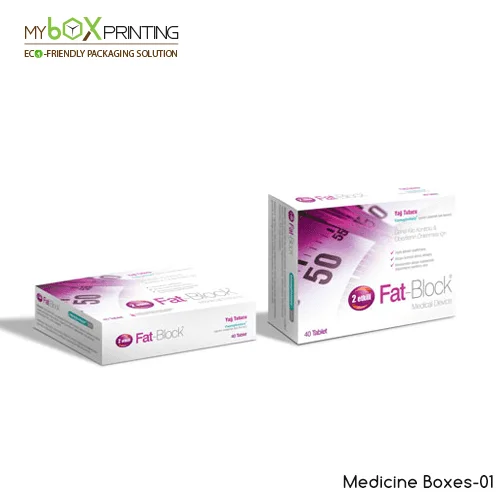
Medicine boxes are external packaging containers used to hold and protect pharmaceutical products or their immediate containers. A box may contain blister packs, bottles, tubes, sachets, or other types of medicine packaging. Depending on the product and branding requirements, custom printed medicine boxes can also be designed to provide a clear and organized presentation while accommodating the specific dimensions of the product.
The box normally provides a larger surface for product information. Depending on the market and product, this may include the medicine name, strength, dosage information, ingredients, directions for use, warnings, storage instructions, manufacturer details, batch information, expiration date, barcode, and other required information.
The exact information printed on a medicine box varies according to the product and the regulations of the country where it is sold. Packaging should therefore be designed to present required information clearly while maintaining compliance with the applicable pharmaceutical labeling requirements.
Why Is Medicine Packaging Important?
Pharmaceutical products can be sensitive to environmental and physical conditions. Packaging can help reduce the effects of handling, transportation, light, moisture, contamination, and other factors when the appropriate packaging system is used.
A box can also help keep the product and its accompanying information together. For example, a medicine package may include an instruction leaflet explaining how the product should be used or stored.
Another important function is identification. When many medicines are stored together in a pharmacy, hospital, warehouse, or home medicine cabinet, clear packaging can help users distinguish between products.
Common Types of Medicine Packaging
Medicine packaging is not limited to one type of box. Different products require different packaging systems.
Folding Cartons
Folding cartons are commonly used as secondary packaging for pharmaceutical products. They can be manufactured from paperboard and folded into different structures.
They provide a printable external surface and can accommodate medicine containers, blister packs, leaflets, and other components.
Bottle Boxes
Some medicines are supplied in bottles containing tablets, capsules, liquids, or other products. A box can provide additional protection around the bottle and provide space for product information.
The dimensions of the box need to match the bottle and any additional materials included inside.
Blister Pack Cartons
Tablets and capsules are frequently packaged in blister packs. These packs can then be placed inside cartons that provide additional protection and information.
The carton may also contain a patient information leaflet, depending on the product and applicable requirements.
Tube Packaging
Creams, ointments, gels, and similar products may be supplied in tubes. A folding carton can hold the tube while providing additional printed information.
The box should be appropriately sized so the tube remains organized without excessive movement.
Materials Used for Medicine Boxes
Paperboard is commonly considered for pharmaceutical cartons because it provides a printable surface and can be manufactured into various folding structures.
The thickness and type of board can vary according to the product requirements. Lightweight packaging may be sufficient for some products, while heavier products may require stronger material.
Other factors can also influence material selection, including printing requirements, storage conditions, transportation, production methods, and sustainability objectives.
The material should provide appropriate protection without creating unnecessary packaging.
The Role of Printing
Printing is particularly important for medicine packaging because the box needs to communicate information clearly.
Unlike many consumer products where packaging is primarily focused on visual appeal, pharmaceutical packaging has an important information function. Customers and healthcare professionals may need to quickly identify the product, strength, dosage, warnings, and other details.
Typography should therefore be readable, and important information should be presented in an organized manner.
Color can also help differentiate product ranges, but it should not make essential information difficult to read.
Medicine Boxes and Product Identification
Clear identification is important throughout the pharmaceutical supply chain. Manufacturers, distributors, pharmacies, healthcare professionals, and consumers may all interact with the product at different stages.
Barcodes and other identification systems can help businesses manage inventory and track products. The packaging can provide a physical connection between the product and its associated digital or inventory information.
This can be particularly useful for businesses handling large numbers of products.
Protection During Transportation
Medicine products may travel through several stages before reaching the consumer. They can move from a manufacturing facility to a distribution center and then to pharmacies, hospitals, retailers, or other locations.
During transportation, packages can experience movement, stacking, pressure, and handling. Properly designed packaging can help protect the product from routine physical damage.
However, the outer medicine box is only one part of the complete packaging system. The immediate container, seals, blister packs, bottles, shipping cartons, and other protective components may all contribute to product protection.
Importance of Accurate Box Size
Packaging dimensions should be appropriate for the product being contained. A box that is excessively large may create unnecessary empty space, while a box that is too small may place pressure on the contents or make packing difficult.
Accurate sizing can also make packaging easier to handle and store.
For pharmaceutical manufacturers producing multiple products, different box dimensions may be required for different formulations, quantities, or container sizes.
Information Leaflets and Inserts
Some medicines require additional information to be supplied with the product. This information may be provided through printed leaflets or inserts.
The packaging should have enough internal space to accommodate these materials without interfering with the product.
The organization of the box can also affect how easily users find the leaflet and other components after opening the package.
Child-Resistant and Tamper-Evident Considerations
Certain medicines may require additional safety features depending on the product and applicable regulations.
Child-resistant packaging is designed to make access more difficult for young children while remaining usable by the intended users. Tamper-evident features can provide an indication if packaging has been opened or interfered with before reaching the consumer.
These features are not necessary for every product, and requirements vary according to the medicine and local regulations.
Businesses should therefore determine which safety features are required before finalizing packaging.
Storage and Environmental Conditions
Different medicines may have different storage requirements. Some products may need protection from light, moisture, heat, or other environmental conditions.
Packaging should be considered as part of the product’s overall storage system. The external box can provide information about storage requirements, while the immediate container and other packaging components may provide the actual barrier protection required by the product.
Manufacturers should follow the relevant pharmaceutical standards and product-specific requirements when selecting packaging.
The Role of Branding
Although information and safety are major priorities, branding is also present in pharmaceutical packaging.
A company may use consistent typography, logos, colors, and design elements across its product range. This can make products easier to recognize and create a consistent visual identity.
However, branding should always work within applicable packaging and labeling regulations. Important warnings and product information should remain clear and prominent.
Sustainable Medicine Packaging
Sustainability has become an important consideration for many packaging industries. Pharmaceutical companies may explore recyclable or responsibly sourced paperboard and other materials where appropriate.
Reducing unnecessary packaging can also help lower material consumption. Accurate box sizing and efficient structural design may reduce excess space without compromising product protection.
However, sustainability decisions need to be balanced with safety, hygiene, durability, regulatory requirements, and the specific needs of the medicine.
What Should Businesses Consider?
When developing medicine packaging, businesses should evaluate the complete product journey rather than focusing only on appearance.
Important considerations include:
- Product type and dimensions
- Container type
- Required protection
- Storage conditions
- Transportation requirements
- Required product information
- Barcode or identification needs
- Safety features
- Internal leaflets or inserts
- Printing requirements
- Material selection
- Production volume
- Applicable regulations
Considering these factors during the planning stage can help reduce packaging problems later in production and distribution.
Why Custom Medicine Boxes Can Be Useful
Standard packaging may work for some products, but customized packaging boxes can provide greater control over dimensions, structure, printing, and internal organization.
Custom medicine boxes can be developed around specific product sizes and packaging configurations. This can help businesses create a better fit while providing enough space for required information and supporting materials.
Customization can also help pharmaceutical companies maintain consistent packaging across different products while allowing individual products to have their own identifying features.
Final Thoughts
Medicine boxes are an important part of pharmaceutical packaging. They help protect products, provide information, support identification, and contribute to organized storage and transportation.
The right packaging depends on many factors, including the type of medicine, container, storage conditions, distribution method, required information, and applicable regulations. Material selection, box dimensions, printing, inserts, and safety features should all be considered as part of the complete packaging system.
Rather than treating a medicine box as simply an outer container, businesses can view it as one component of a larger system designed to protect the product and provide clear information throughout its journey from manufacturer to consumer.